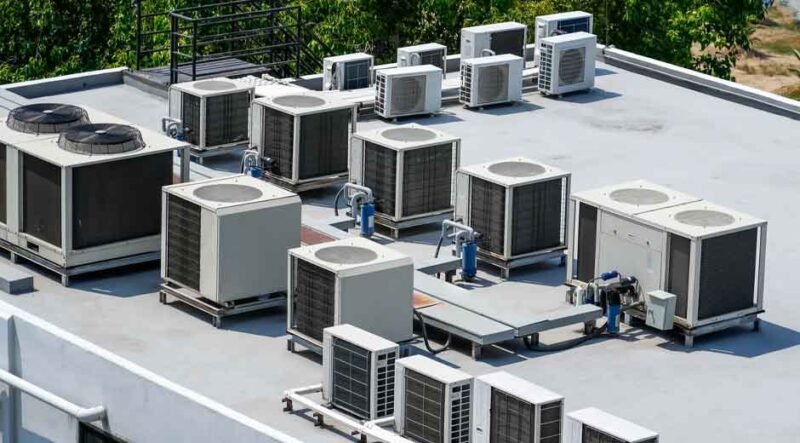
After building a new home, you may want to hire technicians to install an HVAC system that maintains comfortable temperatures year-round. These professionals evaluate your space and recommend equipment that fits both your heating and cooling requirements. Here are some top factors for efficient HVAC installation in new builds:
Choosing the Right System Size
Before installation, a technician can help you select the right system size to meet both comfort and energy needs. An oversized unit heats and cools your home too quickly, causing short cycles that waste energy. Conversely, an undersized system struggles to maintain consistent temperatures, resulting in discomfort.
To determine the appropriate HVAC capacity, a crew may assess your home’s size, layout, and insulation so that each area reaches balanced temperatures. Whether your climate is moderate or extremely cold, a technician installs a unit suited to local conditions. In well-insulated homes, a specialist can recommend a more efficient system that optimizes performance, energy use, and long-term reliability.
Selecting Energy-Efficient Units
During HVAC installation, technicians may suggest systems with high efficiency ratings, and these units can include features such as variable-speed motors or multi-stage compressors that adjust output to meet your home’s needs. Some systems utilize enhanced heat exchangers to enhance heat transfer, and many are compatible with smart thermostats that automatically regulate temperatures. When the house is unoccupied, the system can reduce activity, which helps conserve energy without affecting comfort.
Choosing a unit with a strong efficiency rating aligns equipment performance with the home’s comfort and energy use. A technician can then evaluate the space, insulation, and usage patterns to match the system appropriately. Whether replacing older equipment or installing a new system, the combination of features supports efficient operation. Smart integrations, careful sizing, and energy-conscious design contribute to energy savings while maintaining consistent temperatures.
Installing the System Professionally
Certified technicians handle HVAC installations to check if the system operates safely and effectively. During the process, they may seal ductwork to promote even airflow throughout the home, which helps minimize hot or cold spots. Refrigerant is added to the unit to enable it to reach the desired temperatures without excessive strain, and wiring is connected to integrate the system with the home’s electrical circuits.
After installation, technicians perform several checks to confirm proper operation, including:
- Running the system to verify it produces sufficient airflow.
- Testing the thermostat for accurate temperature readings.
- Listening for unusual noises such as hissing, rattling, or grinding.
- Inspecting vents to confirm even air distribution to all rooms.
These steps help maintain balanced comfort across the home and reduce potential issues during regular operation. Vent placement, airflow, and system performance are evaluated carefully to support efficient heating and cooling throughout the living space.
Get Quality HVAC Installation Today
Technicians can perform a load calculation based on your home’s size, layout, and insulation to determine the appropriate HVAC system capacity. After installation, the team explains how to operate the unit and use its features effectively. They may also provide guidance on maintaining efficiency and identifying potential issues. Schedule an appointment with a qualified heating and cooling company to receive professional installation and optimal system performance.

