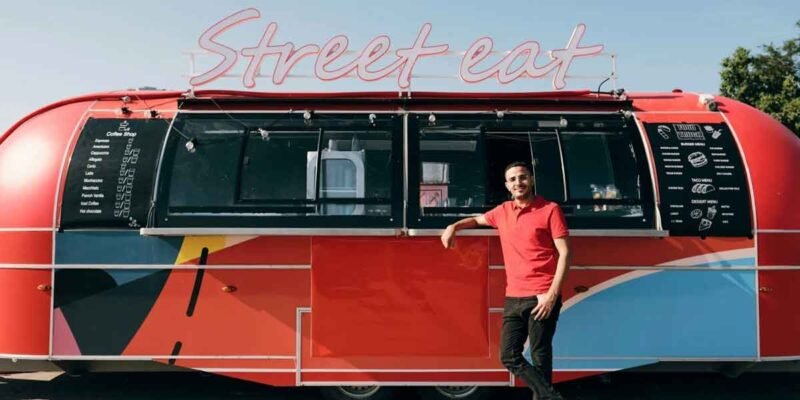
The culinary landscape in Australia has undergone a massive transformation over the past decade. Street food has rapidly evolved from a basic, on-the-go convenience into a highly respected, creative gastronomic experience. Consumers actively seek out unique flavours in casual outdoor settings, choosing the vibrant community atmosphere of pop-up parks over traditional sit-down dining. Whether it involves attending bustling weekend markets, community festivals, or late-night corporate events, the demand for mobile dining has never been higher. For aspiring chefs and innovative food entrepreneurs, taking a culinary vision on the road offers an accessible, dynamic alternative to opening a costly brick-and-mortar restaurant.
The financial appeal of a mobile venture is undeniable and supported by strong economic data. According to industry research valuing the Australian food truck services market at over $1.2 billion, the average startup cost for a mobile setup sits comfortably around $100,000. This is an encouraging and striking contrast to the estimated $500,000 or more typically required to secure a commercial lease, fit out a dining room, and launch a traditional venue. However, turning a passion for cooking into a sustainable, profitable business requires far more than just excellent recipes. It demands a highly strategic blueprint, rigorous planning, and an understanding of the local hospitality landscape.
Sourcing Your Mobile Kitchen
The absolute foundation of any mobile food business is the vehicle itself. Unlike a traditional restaurant kitchen where space might be relatively plentiful and clearly defined stations are the norm, a trailer demands hyper-efficiency. Every square centimetre must be carefully optimised for preparation, cooking, plating, and serving. A poorly designed layout will inevitably create frustrating bottlenecks during your most profitable, high-volume service hours. Navigating a cramped space with hot fryers and open grills can be dangerous if the environment is not specifically built for purpose.
When planning this crucial setup, working alongside experienced professionals is essential to ensure the space meets your culinary ambitions and strict safety standards. Consulting with reputable food truck manufacturers allows you to design a custom floor plan that integrates specific cooking appliances seamlessly into the available footprint. This tailored approach improves daily operational workflow, enhances staff safety, and guarantees compliance with complex ventilation and electrical regulations from your very first day of trading. Investing in high-quality craftsmanship at the beginning of your journey prevents costly breakdowns and operational delays down the track.
Developing a High-Impact Menu
Once the physical workspace is expertly sorted and ready for action, your focus must shift entirely to the food you plan to serve. A common mistake new vendors make is attempting to offer a massive, sprawling menu to please everyone. In a highly compact kitchen, an overly complex list of dishes inevitably leads to slow service times, stressed staff, and excessive food waste. The real secret to mobile hospitality success is keeping your core offerings beautifully streamlined while ensuring they remain unforgettable.
Operating within a confined space means you have to maximise flavour without overcomplicating preparation during the hectic lunch or dinner rush. Mastering easy ways to elevate your dishes, such as utilising compound butters, clever marinades, and efficient one-pan flavour builders, allows you to deliver the premium gourmet experience your customers actively crave. Layering bold, unexpected flavours onto high-quality, locally sourced proteins establishes a distinct signature taste that keeps local foodies coming back for more. Consistency is paramount, and a focused menu guarantees that every single plate leaving your service window meets your exacting standards.
Navigating Operations and Compliance
With the mobile kitchen constructed and the menu rigorously taste-tested, daily operational logistics take centre stage. Australia is widely known for having incredibly stringent food safety and hygiene regulations. These rules vary significantly between local councils and states, making careful research and proactive planning absolutely mandatory for new business owners.
To keep your mobile venture running smoothly, protect your customers, and avoid unexpected fines, focus intensely on these core operational areas:
- Council Trading Permits: Before you park your vehicle and open your serving window, secure the correct trading permits. Some local councils offer permanent street food zones, while others operate on a strict, rotating booking system for public spaces.
- Food Safety Certifications: Most Australian states require a food business to have at least one nominated Food Safety Supervisor. Ensure all staff hygiene certifications are up to date and clearly displayed for visiting health inspectors.
- Commissary Kitchens: Depending on your vehicle’s setup and local health regulations, you might be legally required to prepare raw ingredients in a separate, registered commercial kitchen before loading them into your mobile unit.
- Event Networking: Music festivals, weekend farmer’s markets, and private corporate gatherings are often highly lucrative opportunities. Build strong, professional relationships with local event organisers early to secure regular, profitable trading pitches.
Taking the bold leap into the dynamic street food scene is a deeply rewarding entrepreneurial journey that blends culinary creativity with sharp business skills. By investing wisely in durable commercial equipment, curating a highly focused menu, and meticulously managing your local compliance, you set the ultimate stage for long-term business success. Building a strong brand identity through engaging social media channels and consistent local event presence will further cement your reputation within the community. Ultimately, the open road offers endless, exciting opportunities to share your culinary passion with a constantly growing, hungry audience eager for their next great meal.