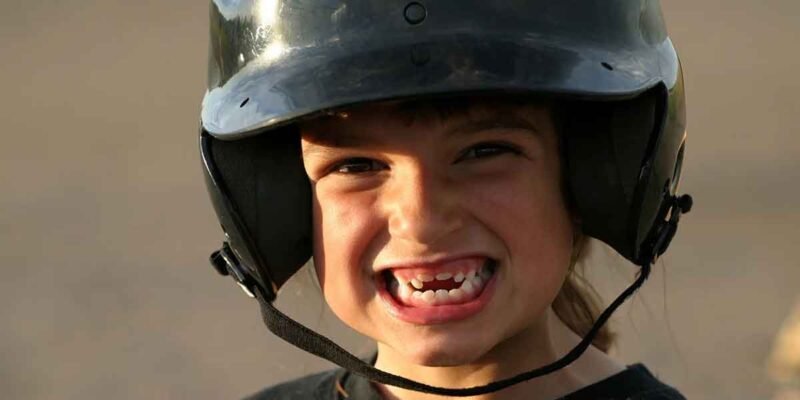
Australians love their contact sports. Whether it is a weekend game of rugby league, a fast-paced basketball match, or a competitive round of martial arts, getting physical is part of the appeal. However, the thrill of the game comes with inherent risks. While athletes spend countless hours conditioning their bodies to handle tackles, falls, and collisions, one critical area often gets overlooked: dental health. A stray elbow or an accidental clash of heads can result in severe and permanent damage to your teeth. To mitigate these risks, dental professionals highly recommend wearing custom mouthguards during both practice and competition. Understanding how to safeguard your smile is just as important as knowing how to properly tape an ankle.
The Hidden Toll of Oral Trauma
Sports injuries are an inevitable reality for active individuals. Most athletes understand that managing sprains, strains, and muscular tears is part of their journey. While understanding why early physio is important after a sports injury is crucial for athletes seeking a safe return to the field, dental trauma is an entirely different challenge. Unlike a pulled hamstring that can heal with physical therapy and rest, a knocked-out or fractured tooth is a permanent loss that requires immediate, and often expensive, clinical intervention.
Dental injuries go beyond simple aesthetic issues. Severe impacts to the lower face can cause structural damage to the jaw, severe lacerations to the lips and cheeks, and even contribute to the severity of concussions. A forceful blow to the chin forces the lower jaw to slam into the upper jaw. Without proper shock absorption, this kinetic energy transfers directly to the teeth and skull. Preventing this specific type of trauma requires proactive measures long before the referee blows the starting whistle. Athletes who ignore these risks often find themselves facing extensive reconstructive surgeries and lengthy rehabilitation periods that could have been easily avoided.
Prioritising High-Quality Protective Equipment
The most effective defence against dental injuries is an appropriate mouthguard, but athletes must realise that not all protective gear offers the same level of safety. Store-bought, boil-and-bite options are popular due to their low cost and convenience. Unfortunately, these generic products often fit poorly, making it difficult for athletes to breathe, speak, or hydrate during intense physical exertion. A poorly fitted guard can easily dislodge upon impact, leaving the teeth completely vulnerable right when protection is needed most. The statistics surrounding this are alarming. According to clinical data, athletes are 60 times more likely to suffer dental damage when taking the field without adequate protective gear.
For maximum safety and comfort, sporting professionals consistently recommend investing in professionally moulded guards designed specifically for the unique contours of an athlete’s mouth. Because they are crafted by dental experts using precise impressions, these guards provide superior shock absorption and remain securely in place during aggressive movements. They distribute the force of an impact evenly across the jaw, significantly reducing the risk of broken teeth or soft tissue lacerations. The snug fit also means athletes are more likely to wear them consistently throughout training and competitive matches, rather than leaving them in their gym bags.
Practical Steps for Comprehensive Dental Safety
While a professionally fitted guard is your primary line of defence, a comprehensive approach to safety involves multiple strategies. Athletes, coaches, and parents should integrate several best practices into their regular sporting routines to minimise risk.
Consider implementing the following safety habits:
- Maintain regular dental check-ups. Strong, healthy teeth and gums are naturally more resilient to trauma. Routine visits allow a professional to identify any underlying weaknesses that might make you more susceptible to injury.
- Wear a helmet with a face shield when applicable. In sports like ice hockey, cricket, or gridiron, a full-face shield provides an impenetrable physical barrier against flying balls, pucks, or equipment.
- Practice situational awareness. Many dental injuries occur when athletes are caught off guard. Keeping your eyes on the play and anticipating the movements of opponents can help you brace for, or entirely avoid, unnecessary collisions.
- Replace your protective gear regularly. Mouthguards degrade over time as athletes chew on them or as their jaw structure changes. For growing children and teenagers, protective gear must be updated every season to accommodate new teeth and shifting jawlines.
Building a Culture of Prevention
Preventing dental injuries requires a shift in how athletes view their safety equipment. Coaches and sporting clubs play a massive role in this cultural shift by mandating protective gear during both practice sessions and official games. A significant portion of dental trauma occurs during routine training drills when athletes mistakenly believe they are safe from high-impact collisions. By making safety non-negotiable at all times, teams can dramatically reduce their injury rates. When safety protocols become a standard part of the team culture, younger athletes are more likely to adopt these habits early on and carry them forward throughout their sporting careers.
Ultimately, preserving your dental health requires foresight. The initial effort of securing properly fitted equipment and adopting smart safety habits pays off by keeping you in the game and out of the dental chair. By treating oral protection as a fundamental component of your athletic gear, you can compete with confidence, knowing your smile is secure.