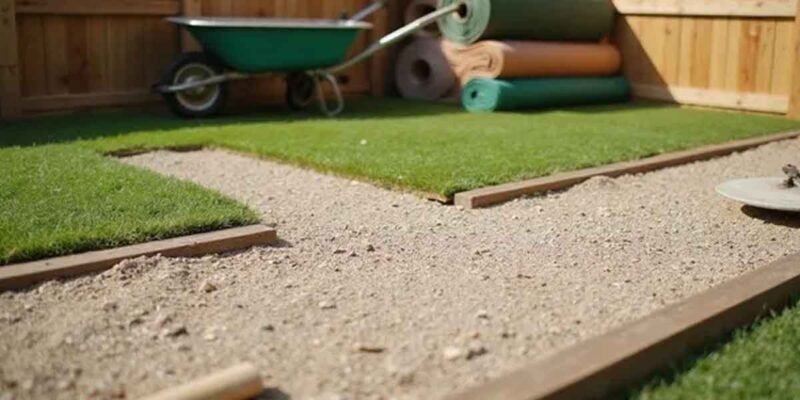
Installing artificial turf? Doing so could completely change the look – and feel – of your yard. It would create a clean and green space. Such improvements often require far less maintenance than natural grass. Most artificial grass will hold up well to the elements – including kids, pets, and everyday use.
That said, the finished result could differ. This depends heavily on what happens before the turf is ever rolled out. A little preparation makes the entire installation process smoother. It’ll even help ensure your new lawn looks great for years to come.
Here’s how to get your yard ready.
Clear the Space
Before anything else, take a good look at the area where the turf will be installed.
Movable items should be removed from the space. Outdoor furniture. Toys. Planters. Garden decorations. This should be obvious. After all, the clearer the work area, the easier it will be for installers to do their job efficiently.
This is also a good opportunity to consider changes. Think about the overall layout of your yard. If you’ve been considering adding a seating area, pathway, or border, plan those features now. This saves time and effort later.
The goal is to start with a blank canvas so the installation moves forward without unnecessary obstacles.
Handle the Existing Grass
A big mistake homeowners make is focusing on the turf itself. They tend to ignore what’s underneath it.
Existing grass, weeds, and vegetation need to be removed correctly. It has to happen before installation starts. Skipping this step would only lead to issues – drainage problems, uneven surfaces, and unwanted growth, for example.
That’s why professionals always prioritize proper base preparation before laying artificial grass. A stable, well-prepared foundation helps create a smoother finish. It also supports the long-term performance of the turf.
While it may not be the most exciting part of the project, it’s arguably the most crucial.
Protect Utilities and Access
Before digging or excavation begins, know what’s beneath the surface.
You might have irrigation lines, outdoor lighting cables, drainage systems, and such running through the year. If so, you need to make sure their locations are clearly identified. This will prevent accidental damage and allow installers to plan accordingly.
Think about access to the work area as well. Clear pathways and gates are vital. The process will be made much easier, especially when large amounts of material are brought in and out of the yard.
Consider Your Pets
If you have dogs or other pets, you need to think about how they’ll be affected during this process.
Construction equipment, unfamiliar workers, and temporary changes to the environment will be stressful for some animals – some people, too. Pets might need to be kept indoors. Or maybe you should arrange for them to spend time elsewhere, just until the work is completed.
After the turf is installed, ask about maintenance recommendation. This will differ if you have pets. Lots of artificial grass systems are designed with pets in mind. However, understanding how to clean and care for the surface will keep it looking its best.
To conclude, artificial turf is often a fantastic investment. You do need to begin preparing before the grass arrives, though. This preparation will go a long way toward ensuring your yard will be enjoyed for years to come.