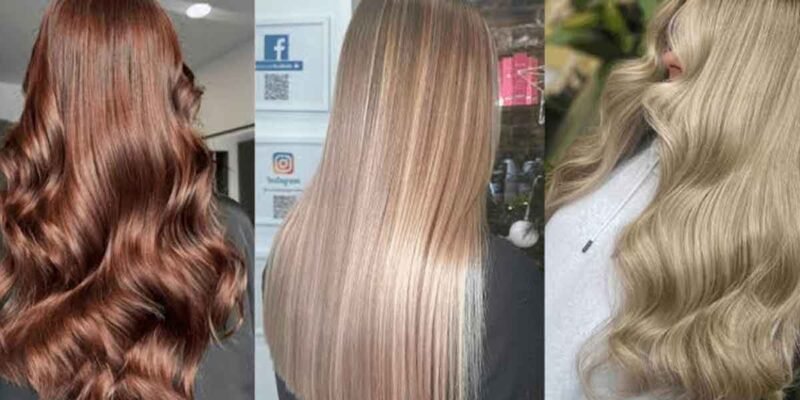
Frizzy hair forms when the outer layer of each strand lifts and absorbs moisture from the surrounding air. Smoothing treatments are a category of salon procedures that coat, seal, and realign the hair surface to reduce this lifting. Because these treatments work on the structure of each strand, the results vary based on hair type, treatment formula, and aftercare. Smoothing the hair often allows the strands to lie closer together, and this reduced volume can last for several months even in humid climates.
Protecting From Humidity
Humidity is the primary external trigger for frizz, since water molecules in the air enter the strand and force the cuticle open. Smoothing treatments form a thin barrier across the surface that slows this absorption. The barrier limits how much moisture reaches the inner layers, and the strand stays flatter for longer in damp conditions. This protective effect diminishes gradually with washing and time.
Repairing the Cuticle
The cuticle is the outermost layer of a hair strand, and it consists of overlapping cells that resemble roof shingles. When these cells stay flat and aligned, the strand reflects light evenly and feels smooth. Frizz develops once the cells lift and separate, and this allows water from the air to swell the strands. Smoothing treatments target this layer first.
A smoothing formula contains conditioning agents that settle into the gaps between lifted cells. The agents flatten the raised edges, and the strand surface becomes more uniform as a result. This realignment reduces the rough texture that defines frizzy hair, and it closes the cells to humid air. Treatment depth depends on the formula and the application method a stylist selects.
Repaired cuticles also change how each strand interacts with light and touch, including how they interact with each other. A flattened surface lowers the friction between neighboring strands, and this reduction limits the tangling and static that often contribute to a frizzy appearance. Smooth cells lie close together rather than splitting or building volume. Stylists assess the cuticle condition before treatment to match the formula strength to the existing damage.
Strengthening the Shaft
The shaft is the visible body of the hair beneath the cuticle, and it carries most of the strand’s structural mass. Damage to the shaft weakens the strand and allows it to bend, break, and frizz under tension. Smoothing treatments deposit proteins and bonding agents that fill weakened areas within this core. A reinforced shaft holds its shape with greater consistency, avoiding breakage.
These bonding agents link to the natural keratin already present in the hair. The connection adds internal support, and the strand resists the swelling that humidity causes. Stronger shafts maintain alignment along the length of the hair. The degree of reinforcement reflects the formula type and the number of sessions a stylist recommends.
Schedule Hair Smoothing Treatments
Smoothing treatments address frizz by providing the hair with nutrients that increase hair health, and this results in smoother, stronger locks. Since humidity often increases frizz, these treatments block water from the air from entering the hair cells. Different hair types require specific treatment formulas. Contact a salon to schedule a smoothing treatment and discuss treatment options for your hair.