Have you ever felt the pull of the outdoors but hesitated because you didn’t know where to start with camping? Many first-time campers feel overwhelmed by the sheer amount of gear and knowledge they think they need before heading into nature. The truth is that preparing for your first camping trip doesn’t require years of experience or an overwhelming budget. With thoughtful planning and the right approach, you can set yourself up for a safe, enjoyable outdoor adventure that will have you eager to return again and again.
Understanding Your Camping Style and Destination
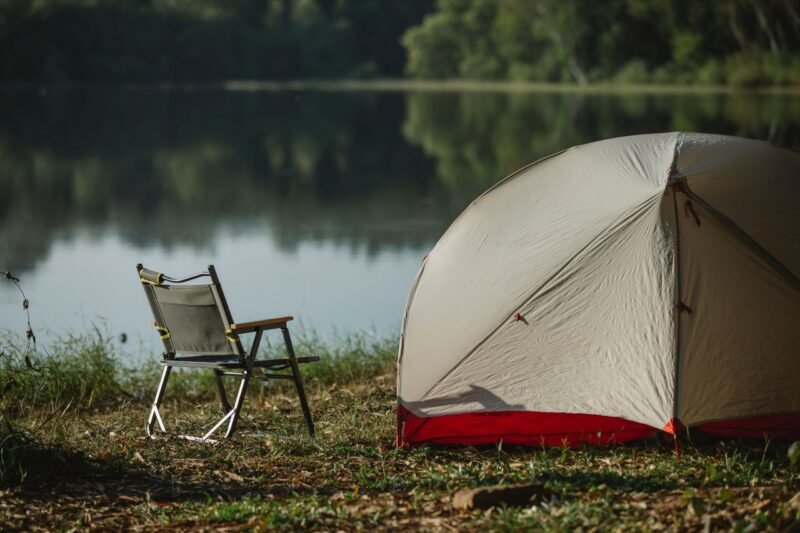
Before purchasing any equipment or making reservations, take time to think about what type of camping appeals to you most. Are you interested in car camping at an established campground with amenities, or does backpacking into remote wilderness sound more exciting? Consider the climate and terrain of potential locations, as these factors dramatically influence what gear you’ll need and how you should prepare your body and mind. If you’re camping during summer months at a nearby state park, your preparation will look very different than planning a winter mountain expedition. Starting with a realistic assessment of your comfort level and interests will guide every subsequent decision you make about your trip.
Gathering Essential Gear Without Breaking the Bank
The camping equipment industry can feel intimidating with its endless options and price points. You don’t need top-of-the-line gear to have a great first experience, though you should prioritize quality for items like tents, sleeping bags, and cookware that directly affect your safety and comfort. Start with a basic checklist that includes shelter, sleeping arrangements, cooking equipment, and clothing appropriate to your destination’s weather. Many outdoor enthusiasts recommend renting gear for your first trip rather than buying everything upfront, allowing you to test what you actually enjoy using before making significant purchases. Adventure Hacks offers a thorough camping and survival kit checklist that helps first-timers understand which items are truly essential and which ones can wait until you’re more experienced.
Planning Your First Camping Trip with Realistic Goals
Setting achievable goals for your first camping adventure helps ensure success and builds confidence for future trips. Consider starting with a nearby location that’s easy to reach, giving you the option to leave quickly if something unexpected happens or you feel uncomfortable. A single night or weekend trip is perfectly reasonable for your initial experience, rather than committing to an extended expedition that might feel overwhelming. Research your chosen campground thoroughly, including facilities available, water sources, wildlife concerns, and weather patterns during your intended dates. Having clear expectations about what to expect helps reduce anxiety and allows you to focus on enjoying the experience rather than worrying about unknowns.
Mastering Basic Camping Skills Before You Go
Learning fundamental camping skills before your trip increases your confidence and prevents frustration once you’re at the campsite. Practice setting up your tent at home so you can do it quickly and efficiently in low light at your actual campground. Familiarize yourself with basic cooking methods you’ll use, whether that’s campfire cooking, camp stove operation, or using a portable grill. Understanding how to properly store food to prevent wildlife encounters is crucial for both your safety and the animals around you. Additionally, learn basic first aid and how to handle minor injuries or ailments that might occur away from medical facilities.
Preparing Your Body and Mind for the Outdoors
Camping involves physical activity and exposure to elements you might not experience in your daily life. Begin a light exercise routine a few weeks before your trip to build stamina for hiking, setting up camp, and gathering firewood. Mental preparation is equally important, as spending time away from technology and familiar comforts can feel strange initially. Practice disconnecting from your phone and other devices gradually so the transition feels less jarring. Developing a positive mindset about minor discomforts like sleeping on the ground, using a portable toilet, or adapting meals to campfire cooking will enhance your overall experience significantly.
Creating a Comprehensive Packing List
A detailed packing list prevents you from forgetting essential items while avoiding overpacking that strains your vehicle or back. Organize your list by category, including shelter and sleeping gear, cooking equipment, clothing for various weather conditions, toiletries, and safety items. Check weather forecasts for your destination and pack clothing in layers, allowing you to adjust as temperatures change throughout the day. Include items many beginners forget, such as insect repellent, sunscreen, a headlamp or flashlight, and entertainment for downtime. Review your list multiple times before departure, checking off items as you pack them to ensure nothing gets overlooked.
Conclusion
Preparing for your first camping trip involves thoughtful planning across multiple areas, from choosing an appropriate destination to mastering basic skills and gathering necessary gear. By starting with realistic goals, investing in quality essentials, and building your confidence through practice and research, you set yourself up for a rewarding experience that may inspire a lifelong love of outdoor exploration. Remember that every experienced camper started exactly where you are now, learning through doing and gradually building knowledge with each trip. Your first camping adventure is an opportunity to discover what you enjoy about nature and what camping style suits you best. Take time to prepare properly, stay flexible when unexpected situations arise, and embrace the unique joy that comes from spending time in the outdoors.