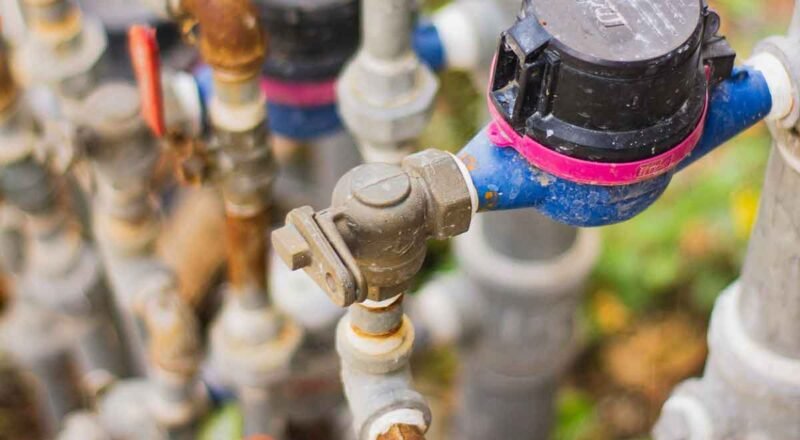
Hard water is a common issue in many homes and can gradually cause problems that affect plumbing systems, appliances, fixtures, and overall water quality. While hard water is not generally considered harmful to consume, the minerals it contains can create costly maintenance concerns over time. Calcium and magnesium deposits can build up throughout the home, reducing efficiency and shortening the lifespan of water-using equipment. Fortunately, homeowners can take several proactive steps to minimize hard water damage and protect their property from unnecessary wear and tear.
Understand The Signs Of Hard Water
The first step in protecting your home is recognizing the signs of hard water. Many homeowners notice white residue on faucets, showerheads, dishes, and glassware. Soap may become difficult to rinse away, and laundry may feel stiff after washing. Hard water can also create scale buildup inside pipes and appliances. Identifying these warning signs early allows homeowners to address the problem before significant damage develops.
Install A Water Softener System
One of the most effective ways to reduce hard water damage is by installing a water softener. These systems remove calcium and magnesium minerals from the water supply before they travel through the home. By reducing mineral content, water softeners help prevent scale formation, improve appliance efficiency, and support better overall water quality. Many homeowners consider water softeners a long-term investment in the health of their plumbing system.
Monitor Appliance Performance
Hard water can significantly affect appliances such as dishwashers, washing machines, water heaters, and coffee makers. Mineral buildup forces these appliances to work harder, which may increase energy consumption and accelerate wear. Homeowners should pay attention to changes in performance, longer operating times, or unusual noises. Early detection of hard water-related issues can help prevent major repairs and extend equipment lifespan.
Clean Fixtures Regularly
Faucets, showerheads, and sinks often accumulate mineral deposits when exposed to hard water. Regular cleaning helps remove these deposits before they become difficult to manage. Routine maintenance not only improves appearance but also helps preserve proper water flow. Consistent cleaning reduces the impact of hard water on visible fixtures throughout the home.
Inspect Plumbing For Scale Buildup
Mineral deposits can develop inside plumbing systems even when there are no visible signs outside the pipes. Over time, this buildup may restrict water flow and reduce system efficiency. Periodic plumbing inspections can help identify potential concerns before they become major problems. Addressing scale accumulation early often prevents more expensive repairs later.
Maintain Your Water Softener
A water softener requires regular maintenance to continue operating properly. Salt levels should be checked frequently, and the system should be inspected for signs of malfunction. Homeowners seeking water softener repair in San Antonio often discover that routine maintenance helps prevent larger repair issues and keeps their systems operating effectively. Consistent upkeep supports better performance and reliability.
Protect Your Water Heater
Water heaters are especially vulnerable to hard water damage because heat accelerates mineral buildup. Sediment accumulation inside the tank can reduce efficiency and increase energy costs. Periodically flushing the water heater helps remove mineral deposits and improve performance. Taking care of this equipment can significantly extend its service life.
Watch For Changes In Water Pressure
Reduced water pressure sometimes indicates scale buildup inside pipes or fixtures. If water flow begins to decline gradually, hard water deposits may be restricting the system. Investigating pressure changes early can help homeowners identify and address problems before they become more severe. Prompt attention often reduces repair costs and prevents additional damage.
Schedule Professional Evaluations
Professional inspections can provide valuable insight into the condition of your water treatment equipment and plumbing system. Technicians can identify hidden issues, recommend maintenance, and ensure that water softening systems are functioning correctly. Regular evaluations help homeowners stay ahead of potential problems and make informed decisions about repairs and upgrades.
Conclusion
Protecting your home from hard water damage requires a combination of prevention, maintenance, and early intervention. By recognizing warning signs, maintaining water treatment equipment, monitoring appliances, and addressing mineral buildup promptly, homeowners can reduce long-term repair costs and improve the efficiency of their plumbing systems. A proactive approach helps preserve both water quality and the overall value of the property.