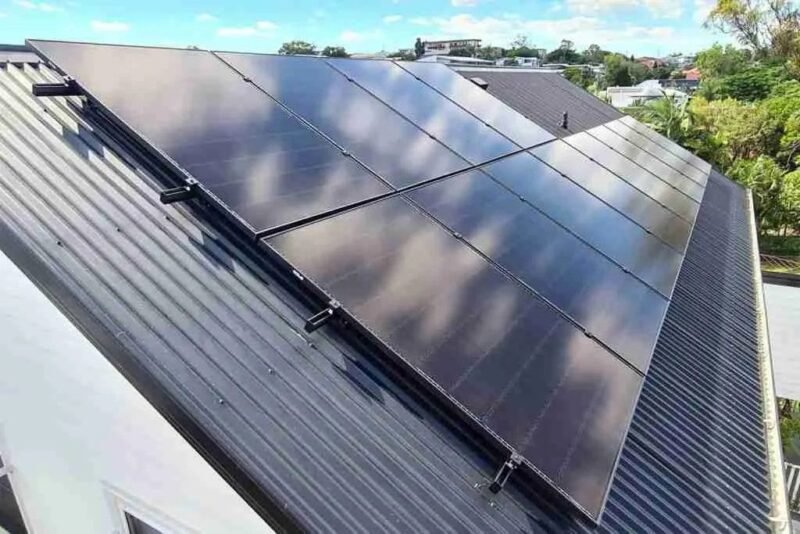
Your solar panels will outlast your mortgage, your car, and possibly your roof. The panels themselves are warrantied for 25 years and typically produce useful power for 30 to 40 years. But your solar system is more than panels. The inverter will need replacement around year 12. The roof underneath may need replacement before the panels do. And your electricity needs may change enough over three decades that the system you install today no longer matches your life in 2050.
Here is what to expect over the life of your solar system, what needs maintenance and when, and how to plan for the expenses that come with owning a power plant on your roof.
The Simple Answer
Solar panels are warrantied for 25 years to produce at least 80 percent of their original output. In practice, most panels produce 85 to 90 percent at year 25 and continue working for another 10 to 15 years beyond the warranty. Panels installed in the 1980s are still generating electricity today. They degrade slowly and predictably. They do not fail suddenly.
The rest of the system ages on a different timeline. The inverter lasts 10 to 15 years and costs $1,500 to $2,500 to replace. The roof underneath the panels lasts 20 to 30 years depending on material and climate. The mounting hardware and wiring should last the full 25-plus-year life of the panels with no maintenance.
Over the 25-year warrantied life of a solar system, expect to replace the inverter once, potentially clean the panels a few times depending on your climate, and do nothing else. Solar systems have no moving parts and require essentially no ongoing maintenance beyond keeping the panels reasonably clean and monitoring for performance issues.
What Happens at Each Stage of Your System’s Life
| Year | What Happens | What You Do |
| Year 1 | Panels settle in; output drops 1–3% from initial light-induced degradation | Compare production to installer estimate; flag discrepancies |
| Year 2–10 | Steady annual degradation at 0.3–0.5%; output at ~90–95% of original | Annual visual check of inverter lights; occasional cleaning if dusty |
| Year 12–15 | String inverter likely fails or degrades below acceptable output | Budget $1,500–$2,500 for replacement; microinverter owners skip this |
| Year 15–25 | Slow continued degradation; output at ~80–90% of original by year 25 | Monitor for individual panel issues; no routine maintenance |
| Year 25 | Warranty expires; panels still working at 80–90% output | No action needed; panels keep working |
| Year 30–40 | Output at ~70–80% of original; roof may need replacement | Decision point: keep old panels, replace with new, or remove for roof work |
What Actually Fails and When
The inverter: year 10 to 15. This is the most common failure in a solar system. String inverters contain capacitors and circuit boards that degrade with heat and age. The failure is usually preceded by intermittent fault codes and reduced output visible in the monitoring portal. It is not a surprise. A replacement inverter costs $1,500 to $2,500 installed. Microinverters on each panel last longer, typically the full 25-year panel warranty, but individual units can fail and are replaced one at a time at $150 to $250 each.
The roof: year 20 to 30. If you installed solar on a roof with 10 years of remaining life, the roof will need replacement before the panels do. Removing and reinstalling panels for a roof replacement costs $3,000 to $6,000. This is the largest mid-life expense a solar system can generate, and it is entirely avoidable by installing solar on a roof with at least 15 years of remaining life or on a metal roof that will outlast the panels.
Individual panels: rare but possible. A panel can develop a hot spot from a manufacturing defect or physical damage. A bypass diode in the junction box can fail. A cell interconnect can crack from repeated thermal cycling. These failures affect one panel, not the entire array, and are typically covered under the product warranty. A service call to replace one panel costs $200 to $500 if not covered by warranty.
The monitoring system: year 5 to 10. The communication module that sends production data to your phone or computer can fail or lose connectivity. This does not affect power production. It only affects your ability to see production data. Restarting the module or reconnecting it to your home WiFi usually resolves the issue. If the module fails entirely, a replacement costs $200 to $500.
Signs Your Panels Need Attention
A sudden drop in production not explained by weather or season. If your monitoring portal shows daily production 20 percent below the same month last year on a clear day, something is wrong. Check whether the inverter has fault lights. Check whether a tree has grown to shade panels that were previously in sun. If neither explains the drop, call your installer.
Visible damage to panels. Cracked glass, a hole from a falling branch, or a frame that has pulled away from the roof indicate physical damage. These are usually covered by homeowners insurance if caused by a storm. They are covered by the product warranty if caused by a manufacturing defect. They are not covered if caused by you walking on the panels or hitting them with a ladder.
Delamination or discoloration. If the plastic layers of a panel appear to be separating, bubbling, or turning yellow or brown in large patches, the encapsulation is failing. This is a product warranty claim. Delamination allows moisture into the panel, which accelerates degradation and will eventually cause failure.
Water stains or roof leaks near mounting points. This is an installation issue, not a panel issue. The flashing around the roof penetrations has failed. Call your installer. The 10-year workmanship warranty typically covers this. If you are outside the workmanship warranty, a roofer can repair the flashing around the mounts without removing the panels.
What Maintenance Solar Panels Actually Need
Almost none. The idea that solar panels require regular expensive maintenance is a myth. In most climates, rain cleans panels adequately. In dry dusty climates, annual professional cleaning at $150 to $300 removes accumulated dust. In coastal areas, cleaning may be needed more frequently to remove salt spray. In areas with heavy pollen, a rinse with a garden hose from the ground each spring removes the yellow coating that reduces output.
Do not pressure wash solar panels. The high-pressure water can force moisture past the frame seals and into the panel. A standard garden hose with a spray nozzle from ground level is sufficient. Do not walk on panels. They support their own weight and snow load but are not designed for concentrated weight from a person’s foot. Walking on panels cracks cells and voids the warranty.
Trim trees that grow to shade the panels. A tree that was 15 feet tall when you installed solar may be 30 feet tall 10 years later and casting shade across half the array. This is the most common preventable cause of reduced solar output in aging systems. An annual visual check from the ground identifies new shading before it significantly affects production.
Planning for the Long Term
Budget for one inverter replacement in year 12 to 15 at $1,500 to $2,500. If you have microinverters, budget for occasional individual replacements at $150 to $250 each, with maybe two to four failures over 25 years.
If your roof had less than 15 years of life when you installed solar, budget for a $3,000 to $6,000 removal and reinstallation when the roof is replaced. This is the expense that catches homeowners off guard. Installing solar on an aging roof defers the roof replacement cost, adds the panel removal cost, and creates a large combined expense mid-way through the system’s life.
Consider future electricity needs. If you plan to buy an electric vehicle, install a heat pump, or add a pool in the next 5 to 10 years, size your solar system to cover that future load or at least leave physical and electrical space to expand the system later. Adding panels to an existing system is cheaper than installing a second separate system, but it still costs more than installing the right size the first time.
Preparing your home’s infrastructure for these changes involves checking your main circuit setup before any equipment is added. Homeowners who want to accommodate growing energy loads safely can look into Q Electric electrical panel upgrades to ensure their baseline systems can manage the increased flow, which lowers the risk of tripped breakers during high-use periods.
Frequently Asked Questions
What happens to my solar panels when I sell my house?
If you own the panels, they transfer with the house like any other fixture. Owned solar panels increase home value by an estimated 4 percent on average according to research from Zillow and Lawrence Berkeley National Laboratory. If you lease the panels, the lease must be transferred to the buyer, who must qualify with the leasing company. Leased panels can complicate a home sale because not all buyers want to assume a solar lease. If you are considering selling within 5 years, buy the panels rather than leasing them.
Are solar panels covered by homeowners insurance?
Yes, as part of the dwelling coverage. Standard homeowners policies cover roof-mounted solar panels against the same perils as the roof itself, including fire, wind, hail, and falling objects. Confirm with your agent that your coverage limit reflects the added value of the system. If your dwelling coverage was $300,000 before solar and the system cost $20,000, increase the coverage to $320,000. The premium increase is typically small.
Does adding a battery change the panel lifespan?
No. The battery is a separate component with its own lifespan, typically 10 to 15 years for lithium-ion home batteries. The panels do not care whether their electricity goes to the grid, the home, or a battery. The battery will need replacement once, and possibly twice, over the 25 to 40 year life of the panels.
Maintaining the supporting infrastructure of your home energy setup is just as important as the panels themselves. Ensuring that all wiring, circuit connections, and dedicated electrical feeds are properly managed preserves the long-term safety of your investment. Consulting an experienced team like DMR Electric Services helps homeowners manage their structural system demands and guarantees that your overall property infrastructure remains durable alongside your solar equipment. Budget $5,000 to $8,000 per battery replacement, with the replacement likely occurring around year 12 to 15.