| TL;DR
Female tradies need the same core workwear categories as anyone on site — hi-vis, work pants, shirts, and safety footwear. What should be different is the fit: genuinely female-specific designs rather than smaller versions of men’s gear. Women’s trade clothing from major workwear brands now covers a much wider range of sizes and styles than it did five years ago. |
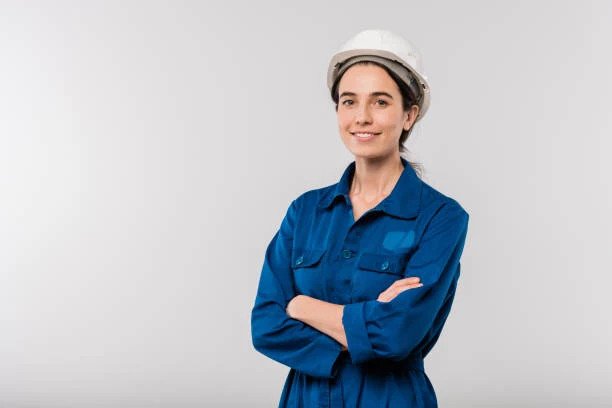
Women represent a growing share of the Australian trades workforce. ABS data shows increasing female participation in construction, electrical, and plumbing trades, and that shift has pushed the workwear industry to take women’s-specific design seriously. The core categories are the same as for any tradie. What’s different is that the products in those categories need to actually fit.
Hi-Vis Clothing
Hi-vis garments for Australian worksites must meet AS/NZS 4602.1 — this applies regardless of gender. Women’s hi-vis shirts and jackets cut for female body shapes (narrower shoulders, adjusted chest, appropriate shirt-tail length) are now available from most major brands. A shirt too wide across the shoulders catches on equipment. A vest too long obscures leg movements. In hi-vis garments, fit is a safety issue under AS/NZS 4602.1, not just a comfort preference. Coming in-store to try women’s-specific options is the most reliable way to assess which brands work for your body shape.
Work Pants
Women’s work pants are the category where the improvement in available products has been most dramatic. Good women’s work pants need a higher rise at the back to prevent gapping when bending, a seat shaped for a female body, functional pockets deep enough to actually use, and the same heavy-duty construction as equivalent men’s products. Don’t settle for decorative pockets or lighter fabric just because they’re cut for women.
Work Shirts
Women’s work shirts that fit without being restrictive across the chest and sit comfortably through the waist without being overly fitted are the goal. Unisex shirts too wide across the shoulders catch equipment and create hazards. Women’s-specific cuts solve this without compromising durability or pocket placement.
Safety Footwear
Women’s safety boots meeting AS/NZS 2210.3:2019 are now available in a wider size range — many brands reaching size 11 or 12. Look for compliance certification first, then assess whether the last suits your foot shape. Women generally have narrower heels relative to forefoot width, which affects how standard boots fit. Trying women’s-specific styles in-store is the most reliable assessment.
Frequently Asked Questions
Why is women-specific workwear important for tradies?
Ill-fitting workwear creates safety risks as well as discomfort. Garments that don’t fit correctly catch on equipment, restrict movement, and cause posture compensations, contributing to musculoskeletal strain. Women’s-specific cuts address these issues by matching garment construction to female body proportions.
Does hi-vis workwear come in women’s fits in Australia?
Yes. Most major workwear brands produce women’s-specific hi-vis shirts, vests, and jackets designed to meet AS/NZS 4602.1. The range of sizes has expanded significantly and is stocked in-store at specialist workwear retailers.
What should I look for in work pants as a female tradie?
Higher rise at the back, seat and hip cut for female proportions, deep functional pockets, and heavy-duty fabric and stitching equivalent to men’s trade pants. Avoid styles where ‘women’s’ means lighter fabric or decorative pockets.
Are women’s work boots different from men’s?
Women’s-specific safety boots are built on a narrower last better suited to female foot proportions, while meeting the same AS/NZS 2210.3:2019 requirements. Fit varies across brands — trying women’s-specific styles in-store is worthwhile.
When shopping for women’s trade clothing, look for retailers with a dedicated women’s section that carries hi-vis, pants, shirts, and safety footwear in female-specific cuts — not just a filtered view of the men’s range in smaller sizes.