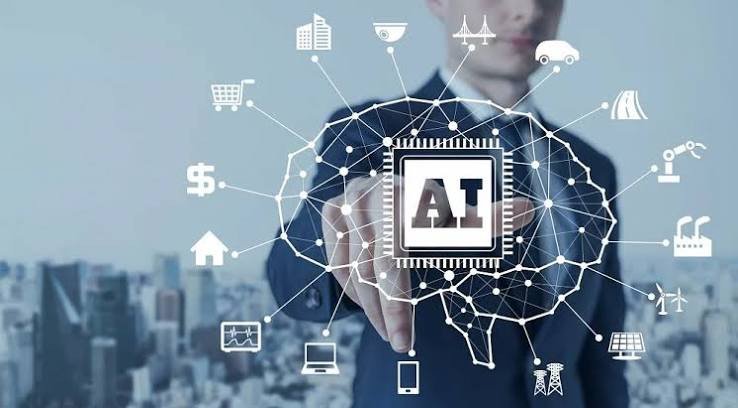
Artificial Intelligence (AI) is revolutionizing how we perceive and enhance visual content. From professional photo editing to everyday snapshots, AI-driven solutions are making once-complicated tasks accessible to everyone. Today’s creative professionals and casual users rely on advancements and tools like an AI upscaling tool to elevate image quality, reveal hidden details, and restore cherished memories. As a result, photo clarity and artistry are reaching unprecedented levels, even outside the traditional studio environment. The integration of AI into mainstream photography workflows has brought immense benefits, but it also prompts a careful look at potential drawbacks and emerging ethical questions.
The technology’s ability to recreate authentic textures, accurately capture subtle lighting, and refine images at scale sets new standards for quality. While these breakthroughs are empowering, the rapid pace of deployment can occasionally expose users to pitfalls, such as unexpected model updates or misapplied effects. For creators, agencies, and consumers alike, understanding how to harness innovation responsibly is as important as appreciating the improved artistic possibilities these tools deliver.
AI-Powered Image Enhancement Tools
Emerging AI-powered image enhancement tools deliver capabilities that were once considered unattainable. Google’s Imagen 4 model, for example, allows for ultra-fine detail recreation, including the rendering of intricate natural materials or tiny water droplets at up to 2K resolution. In another leap, Adobe’s Firefly Image Model 4 lets users precisely control both structure and artistic style, seamlessly supporting realistic portraits or expressive abstractions. These platforms put professional-grade editing features within reach for everyone, removing lengthy manual steps and technical barriers.
Beyond consumer photo apps, industries such as e-commerce, healthcare, and journalism are adopting AI imaging to expedite workflows while maintaining high visual accuracy. This democratization of quality and efficiency marks an important shift in the visual content landscape.
As more businesses and enthusiasts integrate these tools into their daily routines, understanding responsible adoption will set leaders apart from those who may risk consumer trust. For a global perspective on image enhancement techniques, review this in-depth analysis by BBC News that highlights real-world AI photography transformations.
Current Trends in AI-Driven Image Quality
- Realism in AI-Generated Images: Recent models have grown exceptionally skilled at simulating imperfections seen in everyday cameras, such as natural light scattering, focus variances, and color shifts. By mimicking camera flaws, AI models are closing the gap between digitally generated and real photos, making it increasingly difficult to spot the difference. This realism is driving fresh debate within the creative and journalistic communities.
- Improved Workflows for Professionals: According to a 2025 industry survey, 81% of professional photographers cited AI tools as instrumental in achieving better work-life balance. Clients benefited as well, with 64% stating they could no longer distinguish AI-edited from hand-edited results. This growing reliance on machine learning is shifting the skill sets and expectations in agency and freelance work.
Amid these trends, agencies and freelancers are exploring new creative frontiers and cost structures, prompting discussion in sources such as The New York Times’ report on AI and the future of image editing.
Cautionary Tales: When AI Falls Short
While AI-driven photo editing is generally on an upward trajectory, there have been visible setbacks. For instance, in early 2025, Microsoft rolled out an updated Bing Image Creator model that users roundly criticized for lower-quality outputs. Online forums quickly filled with examples of distorted faces, unnatural shadows, and loss of fine detail. Widespread outcry prompted Microsoft to revert to its previous system, highlighting the need for more rigorous validation before releasing updates at scale. This episode illustrates how even technology leaders must tread cautiously when integrating next-generation AI into consumer-facing platforms.
Ethical Considerations in AI Image Processing
The potential for misuse and deception rises as AI systems become more adept at forging hyper-realistic visuals. Tech giants are beginning to respond. In 2024, Google began embedding digital watermarks into AI-generated images to prevent accidental or intentional misrepresentation. Despite this, some users have already found ways to digitally strip watermarks from protected content, which threatens copyright and transparency. The need for clear ethical frameworks and enforcement mechanisms across industries will only grow as technological power increases.
For a thoughtful exploration into these ethical dilemmas, The Verge’s coverage offers expert perspectives on emerging standards and real-world impact.
Future Outlook: Balancing Innovation with Responsibility
The future of is bright, but not without its demands for responsibility. Developers, policymakers, and creative professionals need to cooperate to create technologies that are transparent, accountable, and respectful of ownership rights. Investments in ongoing research and fostering industrywide dialogue will be crucial. Adaptable, consumer-friendly standards can help ensure that improvements in image quality do not come at the expense of trust or creative integrity.
AI is undeniably expanding the creative and functional possibilities of photography and graphic design. However, with great potential comes a responsibility to wield these advances carefully, ensuring ethical safeguards keep pace with rapid innovation in visual tech