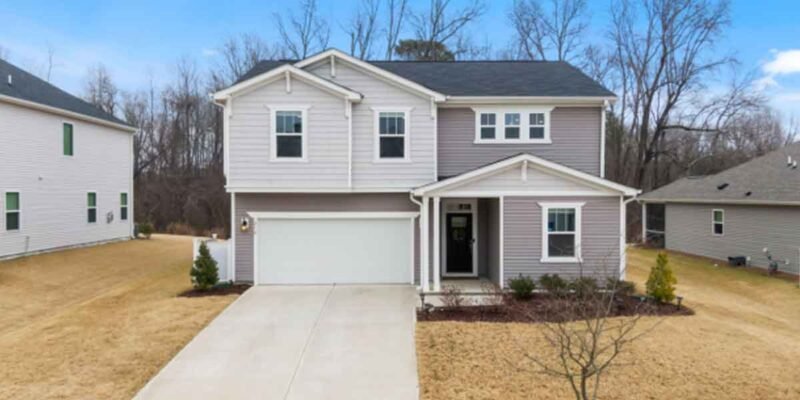
Home improvement projects can enhance comfort, increase property value, and help protect a home from future maintenance issues. However, not every renovation delivers the same return on investment. Many homeowners are interested in projects that provide noticeable benefits without requiring substantial financial commitments.
The most cost-effective improvements typically focus on areas that improve functionality, energy efficiency, and curb appeal. These projects often offer immediate advantages while also contributing to long-term property value. By choosing upgrades wisely, homeowners can maximize the impact of their investment while keeping expenses under control.
Roof Maintenance and Repairs
One of the most valuable home improvement investments is maintaining the roof. While full replacements can be significant projects, routine maintenance and targeted repairs are often highly cost-effective. Addressing small issues early can prevent extensive structural damage and costly emergency repairs down the road.
Missing shingles, damaged flashing, and minor leaks should be corrected promptly. Even seemingly insignificant roofing problems can allow moisture to penetrate the home, leading to mold growth, insulation damage, and structural deterioration. Preventive action helps extend the lifespan of the existing roofing system while reducing long-term maintenance expenses.
In situations where extensive aging or deterioration is present, homeowners may eventually need a roof replacement to maintain the home’s safety and performance. Although this is a larger investment, replacing a failing roof often improves curb appeal, enhances energy efficiency, and increases overall property value.
Fresh Interior and Exterior Paint
Painting remains one of the most affordable ways to dramatically improve a home’s appearance. A fresh coat of paint can make rooms feel cleaner, brighter, and more modern while requiring a relatively modest investment compared to many remodeling projects.
Exterior painting offers additional benefits beyond aesthetics. Quality paint helps protect siding and exterior materials from moisture, sunlight, and environmental wear. Maintaining painted surfaces can prevent premature deterioration and extend the life of exterior components.
Color selection also plays a role in maximizing value. Neutral and timeless colors tend to appeal to a broader audience and can create a more polished, updated appearance throughout the property.
Bathroom Improvements That Deliver Value
Bathrooms are another area where relatively modest investments can produce strong returns. Small upgrades often improve both appearance and functionality while avoiding the costs associated with large-scale renovations.
Replacing outdated fixtures, updating mirrors, improving lighting, and refreshing caulking can make a bathroom feel cleaner and more contemporary. New hardware and minor cosmetic improvements often provide noticeable visual impact without requiring major plumbing modifications.
Because bathrooms experience frequent daily use, maintaining them properly can also help prevent moisture-related issues that may become expensive to address if left unresolved. These practical improvements contribute to both comfort and long-term property preservation.
Beyond cosmetic bathroom updates, maintaining the essential infrastructure behind the walls is another proactive way to protect your property’s value. Addressing minor plumbing concerns early helps prevent hidden leaks that can eventually damage flooring or drywall. Homeowners seeking guidance on regular system inspections can consult the team at Local Plumbing and Drain Company to ensure their fixtures remain reliable and efficient.
Why Preventive Improvements Are Often the Most Affordable
Many homeowners associate home improvement with visible upgrades, but preventive maintenance projects are often among the most cost-effective investments available. Addressing small problems before they escalate typically costs far less than repairing extensive damage after the fact.
Routine inspections, sealing gaps, maintaining roofing systems, cleaning gutters, and repairing minor wear all help protect larger home systems. Preventive investments may not always be immediately noticeable, but they often generate substantial savings over time by extending the lifespan of critical components.
This proactive approach helps homeowners avoid emergency repairs while preserving both the functionality and value of their property. Consistent maintenance often produces a greater return than waiting until major replacements become necessary.
Conclusion
The most cost-effective home improvement projects typically combine affordability, practicality, and long-term value. Roof maintenance, painting, energy-efficiency upgrades, kitchen refreshes, and bathroom improvements all offer opportunities to enhance a home’s appearance and performance without excessive spending.
By focusing on projects that provide both immediate benefits and lasting results, homeowners can make smarter investment decisions. Careful planning and consistent maintenance allow improvements to deliver greater value while helping protect one of the most significant investments most people will ever make.