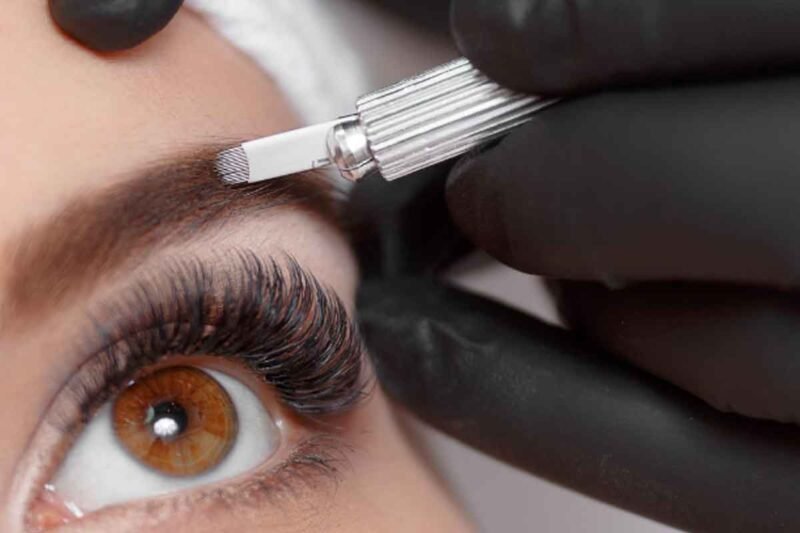
Microblading shapes brows using fine, hair-like pigment strokes to enhance the appearance of fuller, more defined eyebrows. Designed to complement your natural features, the treatment creates a soft, balanced, and natural-looking brow shape. The brows are a common treatment area, but there are many misconceptions about the procedure. Here’s some information about several different microblading myths:
Microblading Looks the Same on Everyone
Microblading does not produce identical results for every client. Technicians customize each treatment to your facial structure, natural brow shape, and the look you request, so the outcome varies from person to person. Two clients may ask for the same style, yet they walk away with different brows because their starting points and goals differ. A skilled technician studies various details during the consultation and adjusts the technique to fit them.
Several distinct factors may help shape the final outcome:
- Skin type: Oily skin holds pigment differently than dry or normal skin, which may affect crispness and longevity.
- Natural brow pattern: Existing hair growth guides stroke direction and density.
- Face shape: Technicians map the brow to complement your features rather than a fixed template.
- Pigment selection: Color matches your hair tone and undertones.
Microblading Is the Same as a Traditional Tattoo
Microblading and traditional tattooing differ in method, depth, and longevity. Both deposit pigment into the skin, but treating the two as the same process can create inaccurate expectations about how the brows age over time. Traditional tattoos rely on a machine to drive permanent ink deep into the skin, so the result lasts for life and resists fading. Microblading uses a fine hand tool that deposits pigment into the upper layers of the skin, keeping the strokes shallow. Those shallow strokes mimic natural brow hairs, and the pigment lightens gradually as the months pass. The shallow placement produces softer, more realistic strokes, while the hand technique gives the technician precise control over each line. Because manufacturers formulate microblading pigments to fade, you can adjust shape, color, and style as your preferences change.
One Appointment Is All You’ll Ever Need
Applying permanent makeup to the brows is rarely a single-visit process. The initial session establishes the brow shape, and it deposits the first layer of pigment. Although you’ll notice an immediate difference, the brows continue to heal over the following weeks. Once the skin has settled, a follow-up appointment is typically scheduled to refine the results and address any areas where the pigment healed differently.
The process doesn’t end after the follow-up appointment. Because pigment naturally fades over time, the rate of fading varies depending on factors such as skin type, sun exposure, skincare routine, and daily habits. Clients may schedule periodic touch-up appointments to maintain the color and shape; these refreshers help keep the brows looking defined.
Learn More About Permanent Makeup
Microblading helps create customized, semi-permanent brows when it is performed by a qualified technician. Results vary from person to person, and achieving the ideal outcome typically requires more than one appointment. Before scheduling your appointment, ask the artist about their technique, the pigments they use, and their recommended maintenance schedule. Receiving accurate information helps you set realistic expectations and make informed decisions. Contact a professional to learn more about microblading.