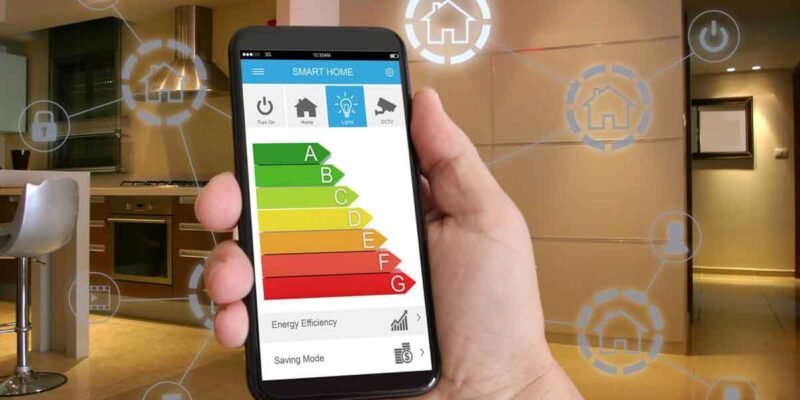
We live in an era where checking a security camera, adjusting the thermostat, or monitoring a sleeping infant is as simple as tapping a smartphone screen. Connected devices have transformed how we manage our households, offering unprecedented convenience and peace of mind. You can check on your pets from the office, ensure your doors are locked while on holiday, and receive instant alerts if a smoke detector is triggered. However, this modern ecosystem has a single point of failure. The moment the electricity grid goes down, your smart screens go dark, and your mobile alerts stop arriving. Without a reliable strategy to keep these systems active, your highly capable smart home becomes entirely unresponsive in an emergency.
The Hidden Weakness in Modern Automation
Transforming your living space with smart technology offers incredible benefits that improve daily life. You can modernise your daily routines with voice-controlled lights, smart thermostats, and automated locks that recognise your mobile device. While improving your property through tech installations or DIY home repairs can provide ultimate control over your living space, none of these gadgets will function if your central router and communication hubs lose electrical power.
When a blackout occurs, the individual smart devices might have small backup batteries, but their communication bridge is instantly severed. Your local Wi-Fi network collapses, meaning your smart cameras cannot transmit footage to your mobile app, and your health monitors cannot send emergency notifications. This sudden disconnect can be highly stressful. It is particularly concerning if you rely on these connected systems for property safety, security monitoring, or caring for vulnerable family members. Without an active internet connection, the most advanced smart home is reduced to isolated, unusable hardware.
Bridging the Power Gap for Essential Tech
Fortunately, you do not have to leave your home network at the mercy of unpredictable weather or temporary grid failures. The most effective way to maintain connectivity during an outage is to ensure your central networking equipment remains powered continuously. Many homeowners resolve this issue by investing in an unlimited power supply designed specifically for sensitive electronics. Technically known as an Uninterruptible Power Supply (or UPS), this hardware acts as a high-end surge protector with a robust built-in battery. By securing your modem, Wi-Fi router, and primary smart home hub to this backup, your local network stays active even when the lights go out.
The moment the mains power drops, the backup battery instantly takes over. This seamless transition prevents your router from rebooting and keeps your mobile monitors communicating with your smartphone without missing a single beat. It means your devices can still communicate locally, and external alerts can still reach your mobile phone. It is a simple yet vital addition to any modern home infrastructure.
The Reality of Unpredictable Blackouts
It is easy to assume that power outages are rare anomalies, but they are increasingly common events driven by extreme weather patterns and local grid strain. Even a brief interruption can disrupt your digital life, forcing routers to take several minutes to reboot and reconnect to the internet once the power flickers back on. These small interruptions are frustrating, but longer outages pose a much more significant challenge to home security and monitoring.
Prolonged blackouts are also a realistic threat for many households. For instance, data from the U.S. Energy Information Administration indicates that the average electricity customer experienced approximately five and a half hours of power interruptions in 2022. While this specific data reflects American infrastructure, the vulnerability of residential power grids is a global issue. Whether you are dealing with a severe summer storm in Australia or a fallen tree branch down the street, those hours without power mean hours without your critical mobile alerts. Preparing for these events is essential for maintaining peace of mind.
How to Prioritise Your Backup Strategy
When planning for grid failures, you do not need to keep your entire house running on battery power. The goal is to sustain your essential communication and monitoring devices. Building a resilient, blackout-proof setup is easier than you might think if you focus on the most critical components of your home network. Here is how you can prioritise your approach:
● Identify the core network. Plug your broadband modem and main Wi-Fi router directly into your battery backup unit. These are the two most critical components for keeping your smart home online.
● Secure the central hubs. If your smart devices use a dedicated Zigbee or Z-Wave bridge (such as a smart lighting bridge or security hub), ensure it is also connected to the backup power source.
● Check individual device reserves. Mobile health monitors, baby monitors, and wireless security cameras should ideally have internal rechargeable batteries. If the central Wi-Fi is still broadcasting, these battery-powered endpoints will continue functioning normally.
● Limit the electrical load. Do not plug heavy-draw appliances like desktop computers, gaming consoles, or televisions into the specific battery unit dedicated to your networking gear. Keeping the load light ensures your Wi-Fi can run for several hours rather than just a few minutes.
Maintaining Connectivity When It Matters Most
Modern living relies heavily on constant digital connectivity. We trust our devices to keep us informed, secure, and comfortable at all hours of the day. By taking a few proactive steps and securing the right backup equipment, you can ensure your home remains smart, secure, and fully communicative. You will never have to worry about losing access to your security cameras or baby monitors during a storm. Ultimately, a well-planned power strategy guarantees that your smart home continues to work for you, regardless of what is happening to the local power grid outside your doors.