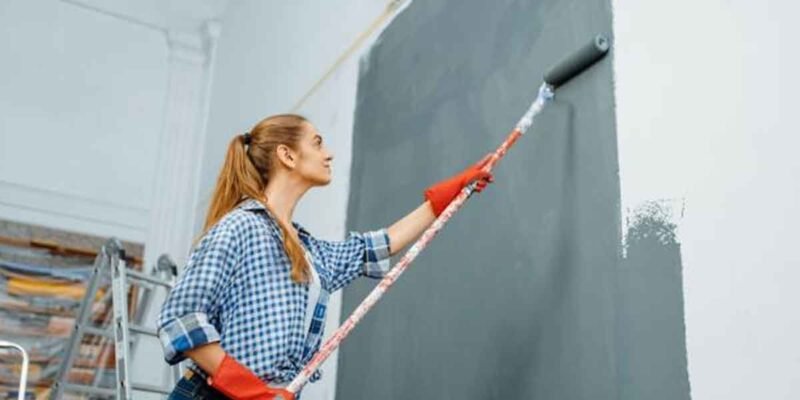
Home repairs and renovations often feel like a rite of passage for homeowners, a chance to personalize a space while potentially boosting its worth. But what if those well-intentioned DIY projects are doing more harm than good? Today, we’re diving into the hidden risks of DIY fixes and how they could impact your property’s value in unexpected ways.
The Allure of DIY — and Its Hidden Pitfalls
There’s something undeniably satisfying about tackling a home repair yourself, from patching up a leaky faucet to repainting a tired living room. The internet is brimming with tutorials, and hardware stores are stocked with tools for every job, making it seem like anyone can be a handyman. Yet, while DIY can save money upfront, it often comes with risks that aren’t immediately obvious. Poorly executed projects can lead to structural issues, safety hazards, or simply an unprofessional finish that turns off potential buyers. A botched electrical fix or uneven flooring might not just be an eyesore — it could signal deeper problems to a trained inspector, lowering your home’s market appeal.
Moreover, not all projects are DIY-friendly. Some require specific skills or certifications, especially when it comes to plumbing or electrical work. Ignoring these boundaries can result in costly mistakes that devalue your property rather than enhance it. Before picking up that hammer, it’s worth asking whether the savings are worth the potential long-term loss.
When Aesthetics Undermine Value
One of the most common DIY missteps is prioritizing looks over function. A fresh coat of paint or new kitchen backsplash might seem like a quick win, but if the underlying issues — like outdated wiring or damp walls — aren’t addressed, you’re merely masking a problem. Buyers today are savvier than ever, often hiring inspectors who can spot these cover-ups from a mile away. A superficial renovation can raise red flags, suggesting the homeowner cut corners elsewhere, which can directly impact offers.
Even worse, mismatched styles or over-personalized designs can hurt your home’s appeal. That bold feature wall or quirky tile choice might suit your taste, but it could alienate a broader pool of buyers looking for neutral, move-in-ready spaces. The lesson here is clear: DIY projects should aim for timeless improvements, not temporary flair. If you’re unsure about a project’s impact, consulting a professional appraiser or real estate agent before starting can save you from a costly misstep.
The Safety Risks That Scare Buyers Off
Beyond aesthetics, safety concerns are a major reason DIY repairs can tank property value. Take electrical work, for instance — a task many homeowners attempt without proper training. A single miswired outlet can pose a fire hazard, turning a small project into a deal-breaker for potential buyers. Resources like this guide on home electricity safety highlight why certain repairs should always be left to licensed professionals. Inspectors will flag these issues during evaluations, and buyers may demand significant discounts or walk away entirely.
Structural repairs are another minefield. A poorly reinforced wall or an improperly installed beam can compromise the integrity of your home, leading to thousands in repair costs down the line. These aren’t just financial burdens; they’re red flags that scream “liability” to anyone considering a purchase. When safety is at stake, the perceived value of your property plummets, no matter how much charm the rest of the house offers. The takeaway? Know your limits and call in experts for high-stakes fixes.
The Financial Strain of Fixing DIY Disasters
Let’s talk numbers — DIY gone wrong often means shelling out far more than you saved in the first place. Imagine spending a weekend installing a new bathroom sink only to cause a leak that damages the flooring and walls. The cost of hiring a contractor to undo the mess can easily double what you’d have paid to have it done right initially. Worse, these costly corrections might need to happen at a critical time, like when you’re preparing to sell, adding stress to an already complex process.
For homeowners already stretched thin, funding these repairs can be a challenge, especially if credit issues limit access to traditional financing. This is where options like bad credit loans come into play, offering a lifeline to cover urgent home fixes without the wait for approvals that stricter lenders often require. While this can help in a pinch, it’s a reminder that avoiding DIY disasters in the first place is the smarter financial move. Budgeting for professional help on complex projects isn’t just an expense — it’s an investment in your property’s future value.
Market Trends and Buyer Expectations
The home improvement market is evolving, with buyers increasingly valuing quality over quick fixes. Recent insights show a surge in demand for professionally finished homes, as many lack the time or desire to take on renovation projects themselves. A report on current DIY renovation trends notes that retailers like Lowe’s and Home Depot are using AI to guide homeowners toward better planning, reducing the likelihood of costly errors. This shift means that homes with amateur repairs stand out for the wrong reasons in a competitive market.
In 2026, buyers are also more attuned to energy efficiency and sustainability, areas where DIY often falls short. A slapped-together insulation job or a poorly sealed window installation can spike utility bills, turning off eco-conscious buyers. If your home doesn’t meet these modern expectations, its value could take a hit. Staying informed about what buyers prioritize can help you decide which projects are worth your effort and which should be outsourced to maintain or boost your property’s worth.
Legal and Compliance Issues to Watch
Finally, DIY repairs can land you in hot water if they don’t meet local building codes or regulations. Many areas require permits for significant renovations, especially those involving structural changes or utility systems. Failing to secure these can result in fines, forced demolition of the work, or even legal action when selling your home. A buyer’s due diligence will uncover unpermitted work, often leading to a drastic price reduction or a stalled sale.
Even smaller projects, like deck additions or fence installations, can violate zoning laws if not planned properly. These oversights might seem minor, but they signal to buyers that the property hasn’t been maintained with care or attention to detail. Before starting any DIY endeavor, check with your local council or a contractor to ensure compliance. It’s a small step that can prevent major headaches and preserve your home’s marketability in the long run.
Weighing the True Cost of DIY
In the end, while DIY home repairs can be tempting, they carry risks that could ultimately diminish your property’s value. From safety hazards to financial burdens and legal pitfalls, the downsides often outweigh the initial savings. As a homeowner, it’s crucial to balance ambition with practicality, knowing when to call in the pros to protect your investment. A home is more than just a project — it’s a legacy, and ensuring its worth demands careful thought at every step.