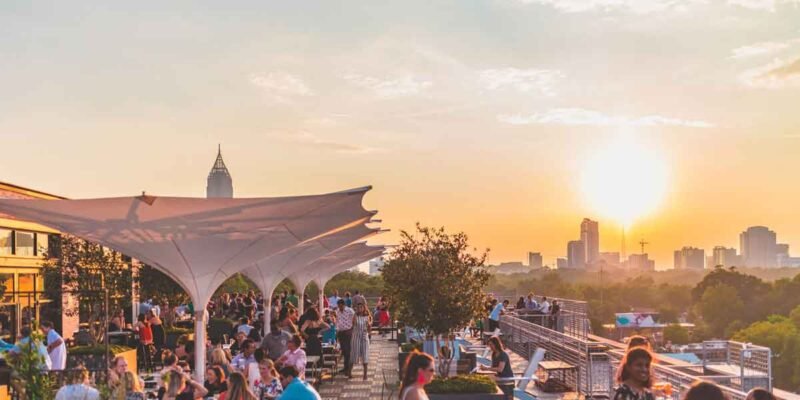
The global hospitality landscape has undergone a dramatic transformation over the past few years. What was once considered a seasonal luxury or a casual alternative has now become a cornerstone of the dining industry. Open-air venues are no longer just an afterthought attached to a main dining room. They are entirely reimagined spaces that blend nature, social connection, and culinary excellence into a single cohesive experience.
As consumers increasingly seek out memorable environments alongside their meals, al fresco spaces are leading the charge in reshaping how we eat out. The boundaries between indoor comfort and outdoor freedom have successfully blurred, setting a new, refreshing standard for the entire hospitality industry. Restaurateurs who recognise this shift are reaping the rewards, transforming empty patios into bustling social hubs.
The Driving Force Behind the Al Fresco Boom
To understand why restaurant owners are pouring capital into exterior renovations, one only needs to look at consumer behaviour. Modern diners prioritise atmosphere almost as highly as the menu itself. Fresh air, natural lighting, and a sense of openness create a relaxed environment that elevates the entire dining experience. People want to feel connected to their surroundings, especially in dense urban environments where green spaces are often limited.
Recent industry research highlights just how critical this preference has become for revenue generation. According to recent hospitality data, al fresco spaces are seeing surging demand, with 70% of diners willing to wait longer for an open-air table, a trend documented in recent restaurant seating insights. This striking statistic proves that external seating is no longer just a nice bonus for a venue.
It is a massive driver of customer footfall and loyalty. People actively seek out these vibrant, breezy spaces, knowing that the environment will enhance their social gatherings and meals. For business owners, investing in these areas translates directly into increased dwell time and higher average spend per table.
Designing the Perfect Open-Air Environment
Creating a successful al fresco space requires more than just placing tables on a patio. It is about crafting an immersive oasis that protects guests from the elements while keeping them connected to the outdoors. This is particularly vital in bustling, tropical culinary hubs where the climate presents unique challenges, such as high humidity and sudden rain showers.
For instance, the vibrant scene of outdoor dining in Bangkok perfectly illustrates how top-tier venues seamlessly blend lush greenery with intelligent architectural design. These establishments manage to create a welcoming, comfortable community atmosphere that thrives regardless of the intense city heat. They use architectural ingenuity to ensure guests remain comfortable without sacrificing the open-air aesthetic.
To achieve this delicate balance, modern open-air restaurants typically focus on a few core design principles:
- Strategic Climate Control: The best venues utilise retractable roofs, high-velocity fans, and clever shading to keep diners comfortable throughout the day.
- Biophilic Design: Incorporating living walls, potted trees, and natural timber materials helps bridge the gap between the built commercial environment and nature.
- Flexible Seating Arrangements: A mix of lounge sofas, high bar tables, and traditional dining setups caters to different social occasions.
- Ambient Lighting: Carefully placed festoon lights and warm lanterns transform the space as the sun sets, shifting the mood from a bright daytime retreat to a cosy evening hotspot.
Evolving From Casual Pop-Ups to Permanent Elegance
The desire to eat outdoors is not entirely new, but the execution has evolved significantly over the past decade. Previously, the pinnacle of open-air dining was often found in temporary setups or mobile culinary ventures. These casual formats proved that people loved community-driven, outdoor food experiences, but they often lacked the refined comfort of a traditional restaurant.
However, transitioning from these casual concepts to permanent structures requires careful planning. Moving from the logistical challenges of running gourmet food truck businesses to establishing a permanent open-air gastropub demands a deep understanding of spatial design and guest flow. The transition from mobile catering to stationary elegance involves significant investment in infrastructure, from weather-resistant flooring to commercial-grade outdoor kitchens.
Modern restaurants take the vibrant energy of a food market and scale it up with structured elegance. They replace makeshift folding chairs with premium commercial furnishings, and swap temporary gazebos for permanent, stylish shading solutions. This evolution allows venues to offer the relaxed, breezy atmosphere of a street-food festival combined with the comfort and high-quality service of a premium brick-and-mortar restaurant.
The Psychological and Financial Benefits
There is a profound psychological benefit to dining outside. Exposure to fresh air and natural light has been shown to reduce stress and improve overall mood. When diners feel relaxed, they are more likely to linger over their meals, order an extra dessert, or enjoy a second round of drinks. This relaxed state of mind directly benefits the bottom line.
From a financial perspective, maximising outdoor space is a highly effective way to increase a restaurant’s capacity without the immense costs associated with expanding the main building. By weatherproofing these areas, operators can ensure a consistent revenue stream year-round, turning what was once seasonal seating into a permanent fixture of their business model.
The Future of Hospitality is Outside
The shift towards open-air culinary venues represents a permanent evolution in dining culture. As long as consumers continue to value experiential dining, restaurants will keep innovating their exterior spaces to meet that demand. The industry has recognised that the environment in which food is served is just as crucial as the ingredients on the plate.
By combining thoughtful design, climate resilience, and exceptional food, modern gastropubs and eateries are proving that the best seat in the house is often outside. The industry will undoubtedly continue to push the boundaries of outdoor design, creating even more spectacular spaces for communities to gather. The era of the enclosed dining room as the sole option is over, making way for a brighter, more expansive future in hospitality.