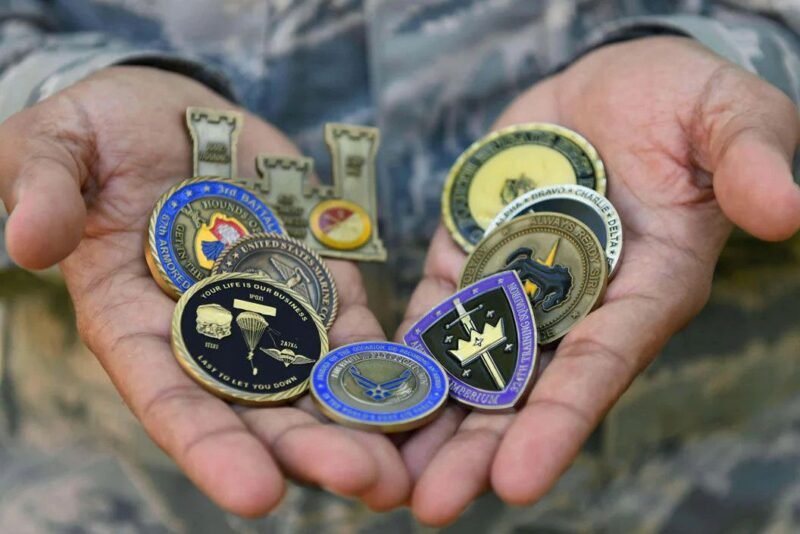
Across the country and around the world, police challenge coins have become more than just tokens of recognition within police departments. These small but meaningful coins carry with them a sense of honor, pride, and an enduring connection among officers, both past and present. Whether swapped between colleagues or presented as a mark of outstanding service, these coins hold a revered place in law enforcement culture, uniting officers across generations and divisions. Today, police challenge coins are crafted to capture the unique identity and mission of each department. They often serve as tangible reminders of valued traditions, shared experiences, and the sacrifices made in the line of duty. Through detailed designs and innovative techniques, these coins reflect not only the spirit of modern policing but also the enduring bonds formed among those who serve and protect.
As both collectibles and fundraising tools, police coins now play a vital role in community outreach, and their custom designs often commemorate unique partnerships, anniversaries, or tributes to fallen heroes. They are much more than simple mementos: they help police organizations foster a deeper sense of belonging and connection with both their officers and the communities they serve. This article takes a comprehensive look at the history, evolution, and modern uses of police challenge coins, highlighting their value in law enforcement today. For those interested in the background and significance of police coin culture, the following sections offer insight into how these cherished keepsakes continue to shape the spirit and identity of both local and national policing.
Origins of Police Challenge Coins
The story of challenge coins can be traced back to World War I, when American military units began issuing uniquely designed coins to soldiers as proof of membership and tokens of accomplishment. These coins were cherished on the battlefield for fostering camaraderie and unit pride. After returning home, veterans continued the tradition, carrying it into their new careers in law enforcement. Before long, police departments began adopting the concept, using coins to strengthen the bond among officers and forge a lasting sense of membership and identity within their ranks.
Evolution in Law Enforcement
Originally modeled after military challenge coins, police coins have gradually taken on distinct characteristics unique to each department. Custom coins now commemorate significant events, outstanding achievements, or departmental milestones, such as the founding of a police force or the recognition of heroic acts. As law enforcement agencies diversified and expanded their missions, so did the designs and purposes of their challenge coins. Today, these coins have become vital elements in cultivating esprit de corps and a steadfast commitment to public service among officers nationwide.
Modern Designs and Customization
The latest generation of police challenge coins demonstrates how deeply police departments value individuality and creativity. Departments often commission designs that incorporate their insignia, mottos, and meaningful symbols that reflect their ethos. Technological advances have opened doors to innovative touches, such as 3D reliefs, unusual shapes, and color-filled imagery. Some coins even include glow-in-the-dark features or serialized numbers, making each piece a truly personal keepsake for recipients. This rise in customization adds an extra layer of pride and exclusivity to owning and exchanging these coins.
Commemorating Milestones and Honoring the Fallen
Challenge coins are now a standard way for police agencies to mark important milestones. Officers frequently receive coins during promotions, retirements, departmental anniversaries, or after concluding complex investigations. Of particular significance are commemorative coins honoring fallen officers. For instance, the Tampa Police Department released a coin to memorialize Master Police Officer Jesse Madsen, who lost his life in the line of duty. The coin’s artwork featured his badge number and a courageous lion’s head, while proceeds from sales supported his family. These meaningful projects illustrate how challenge coins help departments keep the legacies of fallen heroes alive.
Community Engagement and Fundraising
Police challenge coins have expanded beyond their traditional internal use. Today, many police departments leverage coins as tools for proactive community engagement and to fundraise for worthy causes. Specially designed coins may be sold to residents, with proceeds earmarked for charitable initiatives such as youth programs or assistance funds for officers’ families. The New York State Police, for example, produced and sold coins to support a community playground, using their valued status to foster positive relations and support neighborhood projects. This multipurpose application of coins helps police integrate more deeply into the communities they serve, building trust and goodwill.
Collecting and Trading Challenge Coins
The collectible nature of police challenge coins has fostered a vibrant culture of trading and collecting among officers and enthusiasts. Exchange of coins often takes place at inter-agency events, conferences, or training sessions. This tradition not only serves as a professional icebreaker but also as a way to build networks and commemorate significant joint efforts between agencies. Each coin has its own story, making collecting a way to preserve the diverse history of law enforcement. Collectors and coin enthusiasts often share and display their collections at dedicated events or online forums, further strengthening community bonds and the appreciation for police heritage.
Conclusion
Police challenge coins have come a long way from their early military origins, becoming recognized icons of unity, honor, and achievement within modern law enforcement. As the tradition evolves, so too do the designs and the purposes they serve, reflecting the changing landscape of policing and the enduring values at its core. These coins will continue to serve as reminders of dedication, sacrifice, and the powerful connections forged within the law enforcement community, preserving its traditions for generations to come.