Understanding Tax-Loss Harvesting
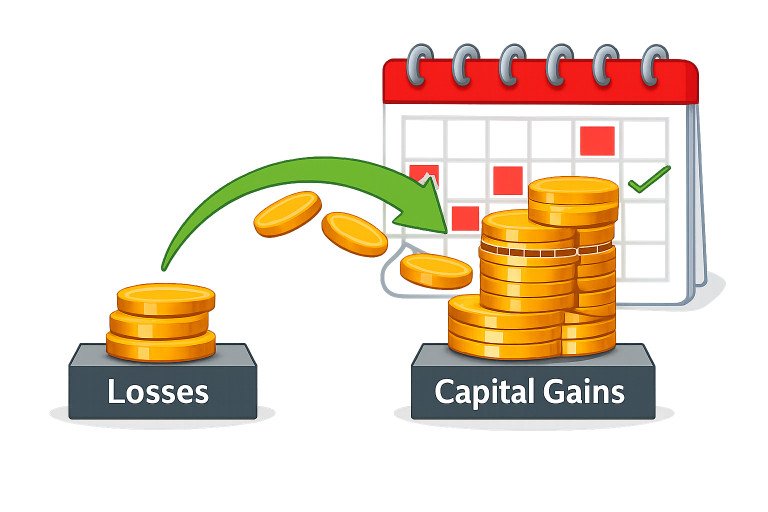
Tax-loss harvesting is an investment strategy that focuses on selling assets that have declined in value, allowing investors to realize those losses and use them to offset taxable gains elsewhere in their portfolios. The practice is especially valuable during periods of increased market volatility, as it can help reduce your overall tax liability and improve your net investment returns. For investors seeking to improve their after-tax returns, a closer look at tax-loss harvesting can reveal even greater benefits and strategic approaches suited to individual portfolios.
Suppose you have $10,000 in capital gains during the tax year. If you realize $3,000 in capital losses by selling underperforming investments, you would only be taxed on the remaining $7,000 in gains. This straightforward approach can make a noticeable difference in your final tax bill, effectively allowing your portfolio to work harder for you.
Tax-loss harvesting is not just about reducing taxes in the current year. It can support longer-term tax planning by banking unused losses to offset gains in future years. The IRS allows you to carry forward capital losses if they exceed your capital gains for the year, so no recognized loss goes to waste.
In addition to reducing taxes, tax-loss harvesting helps enforce a disciplined review of your portfolio, leading to potentially smarter asset allocation decisions and regular rebalancing in line with your long-term financial goals. Understanding these benefits can help investors maximize the strategy’s advantages. You can explore more about how it fits into a larger investment framework at Morningstar’s guide to tax-loss harvesting.
Benefits of Tax-Loss Harvesting
There are several key advantages to using tax-loss harvesting as a core component of a smart investing strategy:
- Tax Reduction: Selling investments at a loss directly offsets capital gains, lowering the amount of taxable income you must report.
- Portfolio Rebalancing: Periodically realizing losses means you can shift your portfolio back to your strategic asset allocation, especially after periods of big market swings.
- Improved After-Tax Returns: By retaining more of your portfolio’s earnings through lower tax payments, you put compounding to better use and may achieve superior long-term outcomes.
Steps to Implement Tax-Loss Harvesting
- Review Your Portfolio: Regular reviews of your holdings help identify underperforming assets with unrealized losses. Focus on positions that have declined in value since purchase.
- Sell Underperforming Assets: Once you have identified these securities, sell them to realize the losses. Make sure you carefully document the purchase and sale dates as well as the amounts.
- Reinvest Strategically: Importantly, maintain your overall investment strategy by reinvesting in similar, yet not “substantially identical,” securities to avoid violating the IRS wash-sale rule. This helps your portfolio stay aligned with your risk tolerance and financial goals.
Understanding the Wash-Sale Rule
The IRS wash-sale rule is an essential consideration in tax-loss harvesting. It prevents investors from claiming a loss on a security if they buy a “substantially identical” investment within a 30-day window, either before or after the sale. Violating the wash-sale rule means your capital loss will be disallowed and cannot be used to offset gains. To stay compliant, choose replacement securities that differ materially, such as swapping between different sector ETFs or between individual stocks and index funds.
Timing and Frequency of Tax-Loss Harvesting
Tax-loss harvesting opportunities are often more abundant during times of volatility, not just at year-end. Investors who monitor their portfolios throughout the year can consistently capture losses when they arise, maximizing tax efficiency and potentially improving after-tax performance. Regular reviews, especially after market corrections, allow you to act promptly rather than waiting until December; sometimes, the best opportunities are mid-year.
Potential Pitfalls to Avoid
TSeveral potential risks and mistakes canreduce the benefits of tax-loss harvesting, or even trigger unexpected costs:
- Wash-Sale Violations: Accidentally repurchasing a substantially identical asset within the 30-day window will nullify the tax benefit from your realized loss.
- Overtrading: Trading too frequently in search of tax-loss harvesting opportunities can lead to higher transaction fees and may compromise your overall investment strategy.
- Neglecting Investment Goals: It is important not to let the pursuit of tax benefits override your broader financial objectives or cause your portfolio to drift from your target risk-return profile.
For more guidance on common mistakes and best practices, consider reviewing reports from larger financial publications, such as Morningstar’s overview of tax-loss harvesting best practices.
Consulting a Financial Advisor
Given the intricacies of the tax code and the nuances of investment strategy, working with a qualified financial advisor is often a wise move. An advisor can help you identify tax-loss harvesting opportunities tailored to your goals and will coordinate tax strategies with your overall investment plan. They can also provide guidance on asset allocation, risk management, and the compliance details of IRS rules, ensuring you maximize your portfolio’s after-tax returns.
Conclusion
Tax-loss harvesting is a powerful strategy for investors aiming to minimize their tax liabilities and grow their investments more efficiently. By understanding how to use this technique effectively, recognizing the requirements around wash-sale rules, and regularly reviewing your portfolio, you can make the most of market fluctuations and keep your financial goals on track. Consult with a financial advisor or use trusted resources to develop a tailored strategy that fits your long-term needs.