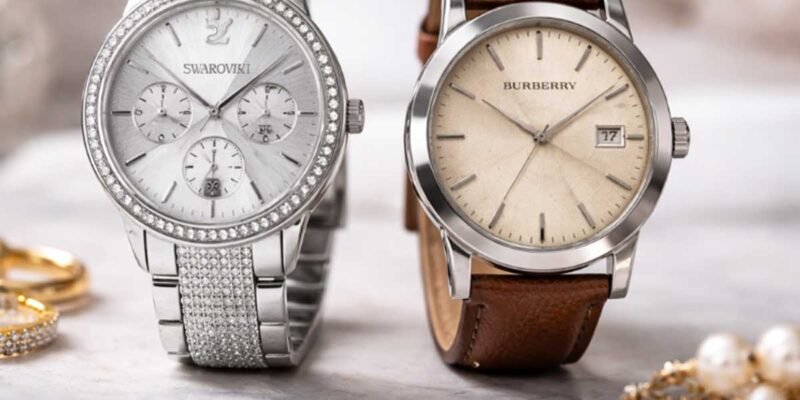
In the world of fashion accessories, few pieces carry as much visual and symbolic weight as a designer timepiece. Whether worn as a daily essential or reserved for special occasions, a watch can quietly complement an outfit or boldly define it. When comparing Swarovski watches and Burberry watch options, the choice often comes down to one central question: do you prefer a statement piece that draws attention, or a subtle design that communicates refinement through restraint?
This distinction goes beyond surface aesthetics. It touches on personal style, lifestyle needs, budget considerations, brand philosophy, and even long-term wardrobe planning. Understanding the trade-offs involved in choosing between a more expressive, crystal-focused design and a classic, heritage-inspired timepiece can help buyers make a decision that aligns with both practical needs and personal identity.
Understanding the “Statement” Approach
A statement watch is designed to stand out. It may feature shimmering crystals, bold dial details, polished finishes, or eye-catching bracelet structures. In this category, a Swarovski watch is often associated with sparkle, glamour, and contemporary elegance.
The defining characteristic of a statement accessory is visual impact. These pieces are created not merely to tell time, but to elevate an outfit. A Swarovski luxury watch, for example, frequently incorporates crystal embellishments on the bezel or dial, transforming the watch into jewelry. The result is an accessory that can replace or reduce the need for additional adornments.
Key Benefits of a Statement Timepiece
The primary advantage is versatility in fashion-forward contexts. For evening events, celebrations, weddings, or social gatherings, a crystal-accented watch can serve as a focal point. It pairs naturally with cocktail dresses, tailored suits, or festive attire. In such scenarios, subtlety may feel underwhelming, whereas sparkle adds confidence and presence.
Another advantage is emotional expression. Statement designs tend to reflect boldness, creativity, and a willingness to experiment. For individuals who view fashion as a means of self-expression, this can be highly appealing.
However, the bold aesthetic also introduces trade-offs.
Trade-Offs to Consider
A watch designed to attract attention may not seamlessly integrate into every wardrobe. Highly embellished designs can feel excessive in conservative workplaces or minimalist style environments. In corporate settings that favor understated accessories, overt glamour may not align with dress codes.
Durability and maintenance are additional considerations. Crystal-adorned pieces may require careful handling to maintain their brilliance. Over time, heavy embellishments can show wear more visibly than smooth, minimalist surfaces.
Finally, trend sensitivity plays a role. Statement designs often align with current fashion cycles. While some styles remain timeless, others may feel less contemporary after several seasons. Buyers must weigh whether they value trend-forward appeal or enduring subtlety.
Understanding the “Subtle” Approach
On the other side of the spectrum lies understated elegance. A Burberry watch typically represents heritage design, clean lines, and classic proportions. Rooted in British fashion tradition, Burberry watches often prioritize refined detailing over overt decoration.
Subtle designs emphasize simplicity: neutral dials, leather or stainless-steel straps, restrained color palettes, and minimal embellishment. A Burberry wrist watch often complements an outfit without dominating it.
Advantages of Subtle Design
The most significant benefit of understated watches is adaptability. These pieces transition easily from professional settings to casual outings and formal events. Because they avoid dramatic design elements, they are less likely to clash with varying dress codes.
Longevity is another advantage. Minimalist and heritage-inspired watches tend to age gracefully. Trends may evolve, but classic design principles often remain relevant for years.
Subtle watches also encourage wardrobe flexibility. Rather than dictating outfit choices, they harmonize with existing pieces. This can simplify accessorizing decisions and reduce the need for multiple watches.
The Trade-Offs of Subtlety
While subtle watches excel in versatility, they may lack the immediate visual impact of more decorative designs. For individuals who prefer accessories that spark conversation or serve as bold fashion statements, minimalist watches might feel understated.
In social or celebratory settings, a refined piece may blend into the background rather than enhancing the overall aesthetic. Those who enjoy expressive fashion may perceive subtle designs as safe rather than exciting.
Additionally, subtle watches rely heavily on material quality and craftsmanship to convey value. Without embellishments, flaws in finishing or detailing become more noticeable. Buyers should carefully evaluate build quality and authenticity.
Brand Identity and Aesthetic Philosophy
Beyond design elements, brand philosophy plays a meaningful role in the decision-making process.
Swarovski has long been associated with crystal craftsmanship and glamour. Its watches often bridge the line between jewelry and horology, emphasizing sparkle and feminine elegance. The brand appeals to individuals who appreciate shine, texture, and visual brilliance.
Burberry, by contrast, carries a strong heritage narrative. Known for iconic trench coats and signature patterns, its watches often reflect structured refinement and British classicism. The brand’s identity centers around timeless fashion rather than decorative extravagance.
Choosing between these aesthetics involves assessing how closely one’s personal style aligns with each brand’s broader identity. For some buyers, brand story matters as much as physical design.
Lifestyle Compatibility
An often-overlooked factor in watch selection is lifestyle alignment.
Those who attend frequent social events, fashion gatherings, or celebrations may benefit from a more expressive design. In contrast, professionals working in formal corporate environments may prefer an accessory that blends seamlessly with business attire.
Climate and daily activity levels also matter. Individuals with highly active routines may find that simpler designs with fewer delicate elements better suit everyday wear. Meanwhile, those who primarily use their watch as a style enhancer rather than a functional tool may prioritize aesthetics.
Considering daily habits can prevent buyer’s remorse. A watch should integrate into life comfortably, not require constant adjustment or caution.
Budget and Value Considerations
Price is inevitably part of the decision. While both brands occupy the designer segment, the allocation of budget toward decorative features versus heritage branding differs.
A Swarovski luxury watch often channels investment into crystal detailing and visual design. Buyers paying for this aesthetic may accept that the piece functions partly as jewelry.
Burberry watches, on the other hand, may emphasize classic construction and brand heritage. The perceived value may lie in understated prestige rather than ornamentation.
The challenge is determining which aspect provides greater personal satisfaction: visible glamour or quiet sophistication.
Long-Term Wardrobe Strategy
When building a curated accessory collection, it helps to think strategically. Some individuals prefer a single versatile watch that works across most situations. Others build a rotation, including both statement and subtle pieces.
If purchasing only one watch, subtle designs may offer greater flexibility. However, if the wardrobe already includes neutral accessories, adding a bold piece can expand styling options.
Considering long-term wardrobe goals helps balance impulse buying against thoughtful investment.
Social Perception and Personal Confidence
Accessories influence perception. A bold, crystal-adorned piece may communicate creativity and confidence. A minimalist, heritage design may signal professionalism and refinement.
Neither approach is inherently superior. The key lies in authenticity. A watch that aligns with personal identity often enhances confidence. Conversely, wearing a piece that feels inconsistent with one’s style can create discomfort.
It is important to reflect on how you want to be perceived in different contexts and whether your watch choice supports that image.
Maintenance and Practical Challenges
Practical considerations also shape the decision.
Crystal-heavy designs may require gentle cleaning and careful storage to maintain clarity and brilliance. Subtle designs, particularly those with leather straps, may demand different types of upkeep.
Longevity depends on proper care. Buyers should research water resistance, strap durability, and warranty terms before purchasing.
Ignoring maintenance implications can lead to dissatisfaction, regardless of aesthetic preference.
Trend Cycles vs Timeless Appeal
Fashion cycles influence watch design. Statement accessories often align with seasonal trends—metallic finishes, bold colors, or oversized silhouettes.
Subtle watches tend to transcend cycles. Neutral palettes and classic proportions rarely fall out of favor.
The trade-off here involves excitement versus endurance. Trend-aligned pieces may deliver immediate impact but shorter perceived relevance. Timeless designs may lack dramatic appeal but remain wearable for years.
Understanding one’s tolerance for change can guide the decision.
Environmental and Ethical Considerations
Increasingly, consumers consider sustainability and brand responsibility. Buyers may research sourcing practices, manufacturing transparency, and environmental commitments before selecting a designer accessory.
While aesthetics remain central, the broader impact of purchasing decisions matters. Choosing a piece that aligns with personal values can enhance long-term satisfaction.
Emotional Resonance
Beyond practicality and style theory, emotional connection matters. Watches often mark milestones—graduations, anniversaries, career achievements. The emotional narrative attached to a piece can outweigh purely aesthetic concerns.
Some buyers feel drawn to the sparkle and celebratory energy of a crystal-accented design. Others resonate with the heritage narrative and structured elegance of classic tailoring traditions.
Listening to emotional instinct, while still evaluating practical factors, creates a balanced decision-making process.
Finding Balance
For many consumers, the choice is not strictly binary. A wardrobe can include both bold and understated elements. A statement piece may be reserved for evenings and special occasions, while a minimalist watch handles everyday responsibilities.
If budget constraints limit options, buyers can prioritize versatility first, then expand into expressive pieces later.
Ultimately, the decision between statement and subtle reflects personal philosophy. Do you prefer accessories that command attention, or those that quietly complete the picture?
Wrapping Up
Choosing between a bold, crystal-focused design and a refined, heritage-inspired timepiece involves more than aesthetic preference. It requires evaluating lifestyle, workplace norms, maintenance capacity, long-term wardrobe planning, emotional resonance, and budget allocation.
A Swarovski watch may appeal to those seeking glamour and visual impact, while a Burberry wrist watch may attract individuals drawn to classic refinement and adaptability. Each approach carries advantages and limitations. By carefully weighing these trade-offs, buyers can select a timepiece that not only enhances their wardrobe but also aligns with their identity and daily life.
In the end, the most effective accessory is one that feels authentic, functional, and enduring—whether it makes a bold statement or speaks softly through subtle sophistication.