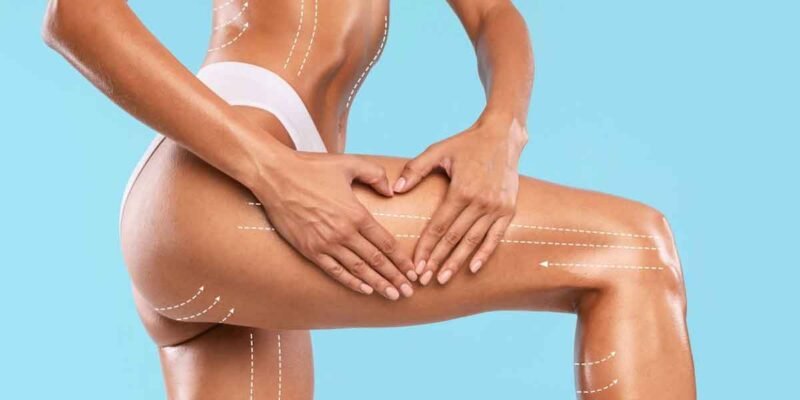
Significant weight loss might leave loose skin across several connected areas of the lower body. After weight stabilizes, a lower body lift removes selected skin and reshapes the remaining tissue to refine the body’s contour. The procedure involves detailed surgical planning, and surgeons remove tissue from the planned treatment areas. Here is a look at what to expect during the lower body lift procedure:
How Do You Prepare for Surgery?
Stable weight is one criterion for post-weight-loss body contouring. Candidates need to be at or close to their desired weight before surgery. Patients need to maintain a stable weight for at least six months before body contouring. Weight loss can occur naturally or through bariatric surgery before contouring.
A comprehensive medical evaluation assesses whether someone is healthy enough for surgery. Patients need to stop smoking and avoid certain medications, including blood-thinning medications, before surgery. Realistic expectations about results and recovery also influence candidacy.
Surgical planning accounts for individual anatomy and health, as well as the extent of skin laxity. Standard, 360, and extended lower body lift approaches address different distributions of excess skin. Surgeons can perform multiple procedures during one operation or stage them across separate surgeries.
What Does Surgery Involve?
Surgeons use general anesthesia for the body lift procedure. Before surgery, surgeons will mark areas requiring skin removal and contouring. A circumferential incision extends around the waistline, including the lower back and abdomen; the procedure removes excess skin and fat from the abdomen, hips, and buttocks. Remaining skin is repositioned to lift and sculpt the lower body, including the buttocks and thighs.
A 360 body lift extends around the midsection, and surgeons may also tighten the abdominal muscles. Surgeons may also use liposuction to enhance contouring and improve the final result. The remaining skin is sutured and smoothed after tissue removal and repositioning. Surgeons close the incisions with stitches or dissolvable sutures and apply compression garments afterward.
How Is Excess Skin Removed?
A belt lipectomy uses circumferential treatment around the waistline. The surgeon evaluates where skin laxity is most pronounced when selecting the treatment approach; a standard body lift focuses on the front and sides of the lower body. An extended lower body lift addresses extreme skin laxity following massive weight loss. Treatment extends to the upper thighs and pubic area, and thigh lifts can accompany the procedure.
What Affects Long-Term Results?
Postoperative swelling gradually decreases as healing continues, and the final contour becomes clearer over time. Future weight changes can alter the remaining skin and tissue, which affects the contour created by surgery. Significant weight gain can stretch remaining skin, while major weight loss can create new areas of loose skin. Pregnancy after this low body contouring procedure can also change the result. Stable weight can help body contouring results last longer.
Plan a Lower Body Lift
A body lift removes excess skin after significant weight loss and reshapes the remaining tissue. Stable weight supports surgical planning, and individual anatomy guides the selected approach. Patients need individualized assessment before surgery because anatomy and treatment goals shape the surgical plan. Contact a surgical team today to discuss your post-weight-loss contouring options.