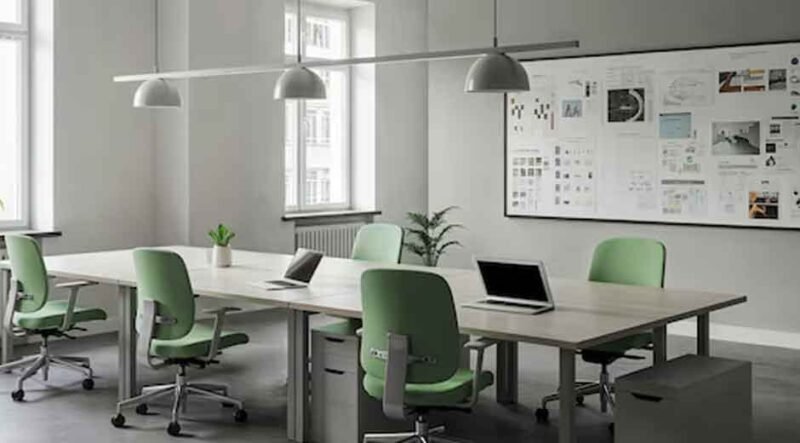
Modern tenants are no longer just renting square metres. They are looking for spaces that support how people actually work today: hybrid schedules, focused tasks, quick collaboration and company culture. When they review an office fit-out, these are the things they quietly (and not so quietly) look for.
Here are 5 things modern tenants expect from an office fit-out.
- Flexible Spaces That Can Change Over Time
Tenants know their teams, headcount and workstyles will change. They want:
- Areas that can switch between meeting, project work and training
- Furniture and layouts that are easy to reconfigure
- Non-permanent elements that let them test and adapt the space
Instead of fixed walls everywhere, they look for solutions that offer structure without locking them in. A well planned office partition strategy can create zones now, and still give options for future layout changes.
- Acoustic Comfort, Not Constant Noise
Open offices are still popular, but tenants are much more aware of sound issues. They expect:
- Quiet rooms for calls and deep work
- Meeting spaces that do not leak every word into the open area
- Materials that absorb sound, not reflect it
Acoustic partitions, doors and wall systems are no longer “nice to have”. They are part of the basic experience tenants expect when they bring clients, teams and leadership into the space.
- Plug-and-Play Technology
Tenants want to move in and start working, not spend months retrofitting. A strong fit-out includes:
- Easy access to power and data at desks and meeting tables
- AV-ready meeting rooms that support video calls smoothly
- Cable management that keeps everything tidy and safe
Technology should blend into the design. The more seamless it feels, the more attractive the space is to modern businesses that run on meetings, calls and cloud tools.
- Design That Supports Wellbeing
Tenants are under pressure to attract and retain talent. Workspace comfort is part of that story. They look for:
- Natural light where possible, or good quality artificial lighting
- Thoughtful air flow and temperature control
- Ergonomic work settings and spaces where people can reset or breathe
They may not use the term “wellbeing design”, but they notice when a space feels heavy, dark or tiring. A good fit-out makes the office somewhere people want to come to, not just somewhere they have to come to.
- A Space That Reflects Their Brand
Modern tenants want their office to feel like “them”, not just a generic floor. They expect:
- A clear design language that can align with their brand
- Visitor areas that feel considered and professional
- Layouts that match the way their teams work, not a random template
They do not always want loud branding, but they do want a space that has personality and quality. Finishes, partitions, furniture and lighting all play a role in that impression.
For landlords, developers and project teams, meeting these expectations is no longer optional. It is what sets a “standard office” apart from a space that leases quickly and keeps tenants happy.
If you want help planning acoustic comfort, zoning and adaptable layouts, you can look at working with specialists like JEB Group, who focus on acoustic and operable partition systems as part of full office fit-out solutions.