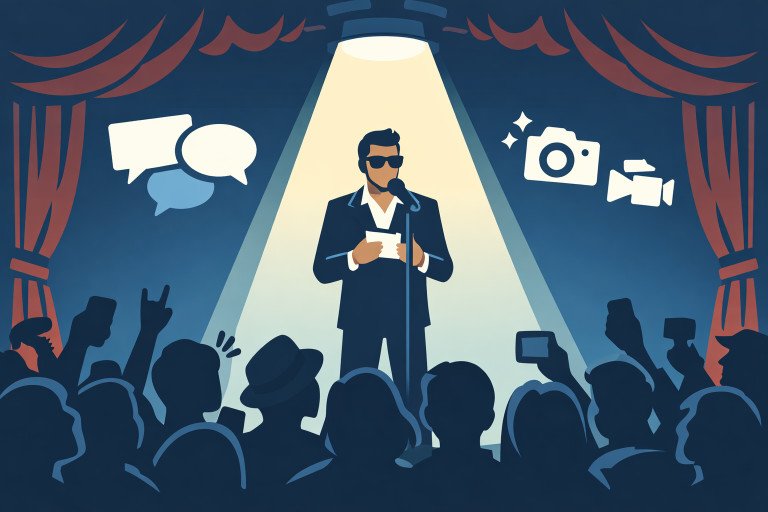
Modern events are increasingly defined by star power. Today, the presence of celebrity speakers transforms not only the energy of the crowd but also the public discourse around issues discussed on stage. Their involvement can raise the profile of an event, energize the audience, and provide an unparalleled level of media coverage. Whether you are an event planner seeking to boost your event’s visibility or an attendee looking to understand what makes celebrity involvement so impactful, understanding the strategic importance of these figures is essential. Organizations that want to make a lasting impression often choose to hire celebrity speakers for high-profile events for this very reason.
The use of celebrities extends beyond simple entertainment. Their voices can shape conversations on business innovation, philanthropy, politics, and more. As trusted public figures, celebrities have the ability to influence audience perception and inspire collective action, making them uniquely effective at sparking discussions on urgent or trending issues during major gatherings. Utilizing these voices strategically can mean the difference between a typical event and one that makes headlines and delivers lasting motivation to attendees.
As technologies such as social media have connected celebrities more directly with fans, the line between performer, endorser, and activist has blurred. This connectivity gives celebrity speakers a broader platform and greater responsibility. Their words and support come with weight that can impact not only event success but also social and cultural conversations.
To understand why celebrity speakers are so effective in shaping the modern event landscape, it is important to examine both historical precedents and current examples of celebrity influence. Observing the contemporary role of celebrity endorsements, especially in high-stakes domains like politics and commerce, illuminates how revered personalities can move both audiences and the broader public.
Historical Context of Celebrity Influence
The relationship between public figures and events goes back centuries. In the 19th century, celebrated actors were already being used to promote businesses, lend their faces to advertisements, and bring crowds to public events. Lillie Langtry’s endorsement of Pears Soap in 1882 marked one of the earliest and most memorable instances of someone leveraging fame to lend credibility to a product or cause. This set a pattern for how events and brands could harness the charisma and following of renowned individuals to influence public sentiment and behavior.
Over the decades, celebrity involvement has expanded from product endorsements to participation in rallies, fundraising galas, and policy forums. Figures from sports, music, and theater have become regular fixtures at major events, expected to offer not just entertainment, but also opinions, advocacy, and even calls to action that drive engagement beyond the venue.
The Power of Celebrity Endorsements
Celebrity endorsements rank among the most powerful tools in event promotion and marketing today. The mere announcement of a celebrity speaker can send ticket sales soaring and garner international media attention, as outlined in coverage by Rolling Stone. Far from being only branding mechanisms, endorsements by well-known personalities serve as trust signals, passing their credibility and audience loyalty onto the causes or organizations they support.
Research has shown that when celebrities advocate for particular policies, products, or philanthropic efforts, their influence can shape voting patterns, increase donations, and even alter industries. For example, a Harvard study cited by ABC News revealed that celebrity-backed campaigns can produce measurable spikes in political awareness and engagement, shifting public perception in meaningful ways.
Celebrity Speakers in Political Arenas
In recent election cycles, celebrity speakers have become fixtures in rallies, debates, and large-scale fundraisers. The 2024 presidential campaign illustrated this phenomenon as high-profile personalities like Beyoncé and Kid Rock drew crowds that rivaled traditional campaigners. Their endorsements and performances brought new energy to events, targeting audiences that might otherwise remain disengaged. This trend reflects the unique ability of stars to bridge generational and cultural divides, making political issues relevant and accessible to larger segments of the population.
Political strategists have leveraged this effect to increase turnout, especially among younger or less politically active voters.
Impact on Public Opinion and Behavior
The real impact of celebrity speakers emerges in their power to shape public thought and motivate behavior. Studies have found that the backing of a trusted and admired celebrity can sway undecided individuals and encourage groups that might be disengaged to participate in events, elections, or movements. Beyoncé’s involvement in recent political and social justice initiatives, for example, has been credited with boosting voter engagement among younger demographics, as detailed in broader analyses by
Beyond political engagement, celebrity speakers influence consumer decisions, charitable donations, and awareness campaigns. Their endorsement can reset entire conversations, putting issues in the spotlight that may have otherwise been overlooked or misunderstood. The sense of trust they inspire, rooted in years of building a personal brand, makes their advocacy particularly effective at mobilizing action across multiple domains.
Challenges and Criticisms
Despite the positive effects associated with celebrity involvement, this practice is not without its detractors. Critics point out that the involvement of stars can at times overshadow the core message or turn important causes into mere marketing opportunities. Some question whether celebrities possess the expertise necessary to speak on complex issues, while others worry that their presence can alienate as much as it attracts, particularly among communities skeptical of elite influence or celebrity culture.
There is an ongoing debate about the lasting value and sincerity of celebrity engagement. When their participation is perceived as opportunistic or detached from the cause, this can lead to public backlash, casting doubt on the authenticity of the event’s goals. Ultimately, it is incumbent on organizers to strike a balance, ensuring that star power aligns with and supports the substantive purpose of the event.
Case Studies of Notable Celebrity Speakers
Oprah Winfrey and Barack Obama
Oprah Winfrey’s endorsement of Barack Obama during the 2008 presidential primary provides a prime example of the measurable impact celebrity speakers can have. Her influence highlighted how celebrities with trusted, positive reputations can meaningfully affect electoral outcomes.
Taylor Swift and Political Advocacy
Taylor Swift’s public embrace of activism and political discourse has prompted in-depth discussion about the negotiating power younger stars can exert on mainstream political conversations. Her evolution from pop icon to public advocate has influenced young voters’ participation rates and inspired increased youth engagement, particularly through social media-driven initiatives. Swift’s ability to harness personal narrative and social channels demonstrates the contemporary evolution of celebrity power in the digital age.
Conclusion
Celebrity speakers play an increasingly important and multifaceted role in shaping modern events. By lending their voices and reputations to causes, campaigns, and organizations, they attract attention, influence decisions, and inspire action among diverse audiences. While their involvement is not without risks or criticisms, the ability of celebrities to spotlight issues and drive conversations ensures their ongoing impact across social, political, and commercial spheres. For organizers and advocates alike, the strategic inclusion of the right celebrity speaker can elevate an event’s reach and legacy, establishing enduring connections with audiences both in the moment and far beyond the venue.