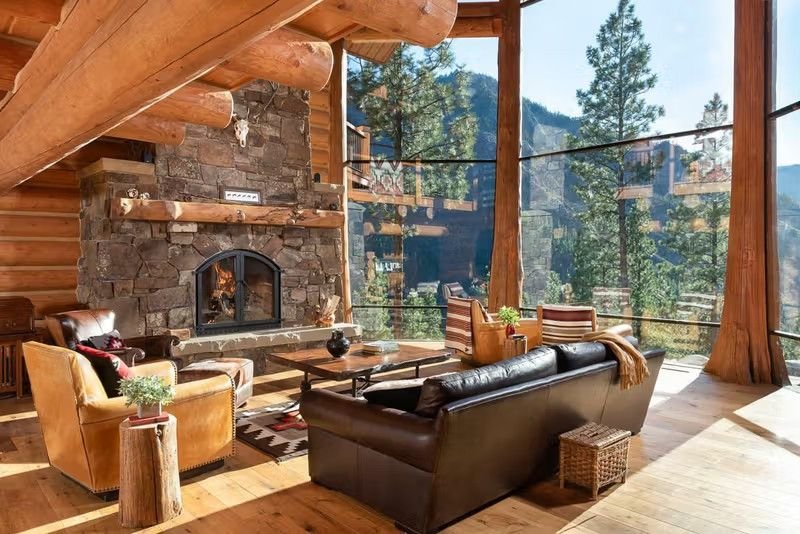
In recent years, the appeal of cabin living has experienced a remarkable resurgence. Many homeowners are attracted to the unique combination of rustic charm and contemporary design found in today’s cabins. This movement supports a healthier, more connected lifestyle and has made cabins an increasingly desirable housing option. If you are considering the transition to cabin life, working with experienced cabin builders can help make your dream of a comfortable, stylish retreat a reality.
Modern cabins are not just weekend getaways; they reflect a shift in how people approach their daily lives. With the increased interest in remote work and sustainable living, these homes now offer flexible spaces and innovative features that align perfectly with the needs of today’s homeowners. Whether nestled deep in the woods or perched on a mountainside, modern cabins strike a balance between tradition and innovation, providing a lifestyle that simply cannot be matched by urban apartments or suburban tract homes.
Cabins offer more than scenic views and quiet evenings by the fire. They represent a conscious choice to live in harmony with nature and to prioritize wellness, sustainability, and meaningful experiences. Their popularity shows no sign of slowing down as more people embrace this way of life, seeking both adventure and tranquility in equal measure.
This article explores why so many are making the switch, what design trends are redefining cabin architecture, and how these homes benefit not just your wallet but also your health and the environment.
Rising Popularity of Modern Cabins
The growing desire for connection with nature and a simplified lifestyle has catalyzed the boom in modern cabin living. The COVID-19 pandemic, in particular, encouraged many people to leave dense urban areas in search of open spaces and a better work-life balance. According to a report by Realtor.com, mortgage applications for rural homes and cabins surged as families looked for remote retreats that allow for both work and leisure in peaceful surroundings. This migration highlights how cabins have become synonymous with wellness and quality of life, making them more than just seasonal escapes.
Design Trends in Modern Cabins
Today’s cabins have evolved far beyond the classic log cabin image. Modern elements dominate, including open-plan layouts, expansive windows, and a seamless flow between interior and exterior spaces. The use of natural materials, such as reclaimed wood and locally sourced stone, is prevalent, but these are paired with minimalist finishes and high-tech amenities for a sophisticated touch. Large windows not only brighten interiors but also forge a deep connection with the surrounding landscape, an appeal supported by current architectural trends in major design publications.
Sustainability and Eco-Friendly Practices
Modern cabin builders utilize eco-friendly strategies to reduce the ecological impact of each project. From solar panels and energy-efficient insulation to rainwater harvesting and the use of rapidly renewable materials, sustainability is a major focus. This results in low operating costs for homeowners, as well as a reduced carbon footprint over the lifespan of the home. Many are inspired by broader movements toward net-zero energy housing, which prioritizes responsible resource management and environmental stewardship.
Health and Wellness Benefits
Living in natural settings has proven health benefits. Spending time in forested environments can lower stress hormones, boost mood, and even improve immune system function. Research published by the PMC shows that exposure to green environments can enhance concentration and mental well-being, while the abundance of natural light in cabin interiors supports healthy sleep patterns. The use of wood and other natural materials inside can also enhance indoor air quality and reduce allergens.
Versatility and Multi-Functional Spaces
Modern cabins often feature open, adaptable floor plans that accommodate both daily life and occasional gatherings. Multipurpose spaces are easily converted to meet various needs, such as home offices, exercise areas, or guest accommodations. This versatility has become especially important as more people balance remote work with home life. Rather than being limited to vacation uses, cabins now easily function as fully equipped, year-round residences.
Economic Advantages
Cabin ownership offers significant financial benefits. Short-term rental platforms have made it easier than ever to earn supplemental income when the cabin is not in use. Additionally, the focus on durable materials and energy efficiency leads to lower maintenance and utility costs over time. A well-positioned modern cabin can also enjoy strong long-term appreciation due to the ongoing demand for scenic rural properties, as highlighted by recent analyses from Forbes and other real estate publications.
Technological Integration
Despite the rustic setting, modern cabins are far from primitive. Most new constructions include smart home technology, such as automated lighting, climate control, and high-speed internet connectivity. Innovative energy management systems help monitor and reduce energy consumption, while security systems bring peace of mind for remote homeowners. This merging of advanced technology with traditional cabin aesthetics results in the perfect balance of comfort and convenience.
Conclusion
Modern cabin living is more than a nostalgic trend; it is a conscious lifestyle choice that blends timeless harmony with nature and the conveniences of contemporary life. With their sustainable features, health benefits, and adaptable spaces, cabins increasingly attract those looking for a better way to live, work, and play. As more people embrace remote work and prioritize well-being, the appeal of cabin homes, designed by skilled cabin builders, will continue to flourish, marking a return to simpler values enhanced by modern innovation.