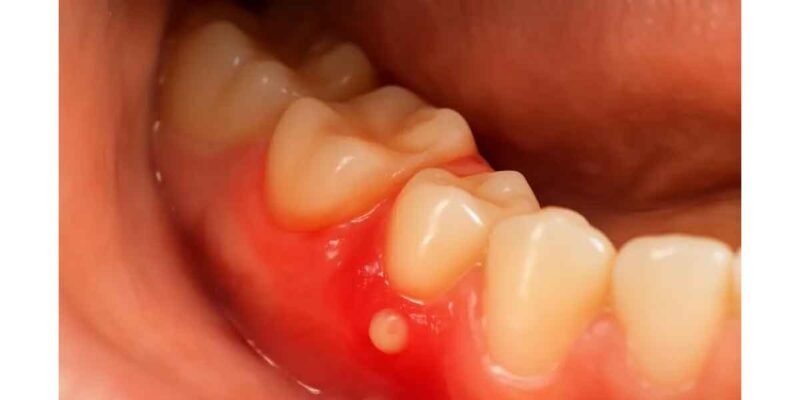
Mouth pain can feel hard to judge because eating, talking, brushing, and sleeping can all make it noticeable. A sore spot may seem minor in the morning and feel much worse by dinner. A wisdom tooth extraction site may ache normally one day and make someone wonder the next day whether healing is still on track. That uncertainty is what makes timing important. Some mouth pain belongs to a normal healing window. Some pain needs a dentist to take another look. The key is knowing what changed, how long it has lasted, and whether the symptoms match the expected pattern.
Wisdom Teeth Recovery Has a Timeline
Wisdom teeth removal creates a surgical wound in the mouth. That means swelling, soreness, bleeding, and diet changes can be expected during the first stage of healing. Recovery does not usually feel the same every day. Someone reading about how long wisdom teeth recovery takes is usually trying to answer a practical question: is this still normal, or is something wrong? Cleveland Clinic notes that wisdom teeth removal recovery takes one to two weeks on average. That does not mean every symptom lasts two full weeks. It means the mouth continues healing after the first few days, even when the person feels much better.
The First Few Days Usually Feel the Hardest
The first 24 to 72 hours often bring the most swelling, soreness, and careful eating. The patient may need soft foods, rest, ice packs if recommended, and pain medicine as directed by the dentist or oral surgeon. The clot forming in the socket is important. It helps protect the bone and nerves underneath. That is why post-op instructions often warn against aggressive rinsing, spitting, smoking, or using straws early in recovery. Those actions may disturb the clot and raise the risk of dry socket. The first few days are also when patients should follow the specific instructions they were given. A simple extraction and a more complicated impacted wisdom tooth removal may not feel the same afterward.
What Should Improve Over the First Week
By the middle or end of the first week, many patients notice that swelling, soreness, and jaw stiffness are improving. Eating may still be limited, but the person should usually feel that each day is becoming more manageable. That steady improvement is a good sign. Pain that slowly decreases is different from pain that suddenly gets worse after seeming to improve. Patients should also pay attention to taste, smell, fever, swelling that worsens, pus-like drainage, or pain that becomes intense. Those signs may point to a complication or infection and should be discussed with the dentist or oral surgeon.
Dry Socket Is Different From Normal Soreness
Dry socket can happen after an extraction when the blood clot is lost or does not protect the socket as expected. Cleveland Clinic describes dry socket as a painful condition that exposes bone at the extraction site and is more common after wisdom teeth removal. The pain may become severe a few days after the extraction. It may travel toward the ear, temple, or jaw. There may also be a bad taste or odor. Dry socket is not something to push through alone. A dentist or oral surgeon can clean the area and place a dressing if needed. The goal is to control pain and help the site continue healing.
Canker Sores Have a Different Pattern
Not all mouth pain comes from an extraction site. A small round or oval sore inside the mouth may be a canker sore. It may appear on the inside of the lips, cheeks, tongue, soft palate, or gums. A person trying to understand canker sore causes and how long they last may be dealing with a sore that hurts when eating, brushing, or drinking something acidic. Mayo Clinic notes that canker sores do not form on the lips and are not caused by the herpes virus. They often heal on their own in one to two weeks. That distinction matters because people sometimes confuse canker sores with cold sores, which are different.
Why Canker Sores Can Happen
The exact cause of canker sores is not always clear. They may be linked to minor mouth injury, stress, certain foods, toothpaste ingredients, hormonal shifts, nutritional deficiencies, immune factors, or underlying conditions in some people. A sharp tooth edge, dental appliance, braces, or accidental cheek bite may also irritate the area. If the sore keeps returning in the same spot, a dentist should check whether something in the mouth is repeatedly rubbing that tissue. Most canker sores are small and heal without major treatment. But recurring, unusually large, or long-lasting sores should not be ignored.
How to Tell Healing Pain From a Problem
Timing helps separate ordinary healing from a problem. Wisdom teeth pain should generally begin moving in the right direction after the early recovery period. Canker sores should usually improve within one to two weeks. Pain that gets worse instead of better, lasts longer than expected, or comes with other symptoms should be checked. Patients should call a dentist or oral surgeon if they notice:
- Severe pain a few days after wisdom tooth removal
- Bad taste or odor from an extraction site
- Fever, swelling, or drainage
- Bleeding that does not slow as instructed
- A sore that lasts more than two weeks
- Very large or recurring sores
- Difficulty eating, drinking, or swallowing
- A sharp tooth or appliance that keeps rubbing the same area
Those signs do not always mean something serious, but they deserve a professional look.
Eating Can Make Both Problems Feel Worse
Both wisdom teeth recovery and canker sores can make meals uncomfortable. The difference is what the mouth needs. After wisdom teeth removal, the goal is usually to protect the extraction sites while the tissue heals. Soft foods, gentle chewing, and avoiding hard, crunchy, spicy, or seeded foods may help during the early recovery window. Patients should follow their surgeon’s specific diet instructions. With canker sores, the issue is often irritation. Acidic, spicy, rough, or salty foods may sting. Softer, cooler foods may feel easier until the sore calms down. In both cases, hydration matters. If pain keeps someone from drinking enough, they should contact a dental or medical professional.
Brushing Should Be Gentle, Not Skipped
People sometimes avoid brushing because the mouth hurts. That can make things worse. The goal is to keep the mouth clean without injuring the sore area or disturbing an extraction site. After oral surgery, patients should follow the exact cleaning instructions from their oral surgeon. They may need to avoid the surgical area at first, rinse only as directed, and resume gentle brushing carefully. With canker sores, brushing gently with a soft toothbrush may reduce irritation. If toothpaste seems to trigger burning or sores, the dentist may suggest a different product. Good oral hygiene does not mean aggressive brushing. It means careful cleaning that supports healing.
Questions Patients Often Ask
How long does wisdom teeth recovery usually take?
Wisdom teeth removal recovery often takes one to two weeks on average, though the hardest symptoms are usually earlier in the process. The exact timeline depends on the difficulty of the extraction, the patient’s health, and how well the site heals.
When should wisdom teeth pain be checked?
Pain should be checked if it becomes severe a few days after surgery, worsens after improving, comes with fever or swelling, or is linked to a bad taste, bad odor, drainage, or bleeding that does not follow the expected pattern.
How long do canker sores last?
Many canker sores heal in one to two weeks. A sore that lasts longer, keeps coming back, is unusually large, or makes eating and drinking difficult should be discussed with a dentist or healthcare professional.
Are canker sores contagious?
No. Canker sores are not caused by the herpes virus and are not contagious. Cold sores are different and can appear on or around the lips.
Before You Decide to Wait It Out
Mouth pain is common, but the pattern matters. Wisdom teeth recovery should gradually move toward less swelling, less pain, and easier eating. Canker sores should usually calm down within one to two weeks. If the pain changes direction, lasts too long, or comes with warning signs, waiting may only prolong the problem. A dentist can check whether healing is on track, whether a sore has an obvious trigger, or whether a complication needs treatment. The safest approach is simple: know the expected timeline, follow the instructions you were given, and get help when the mouth stops healing the way it should.
Sources
Cleveland Clinic, Wisdom Teeth Removal Cleveland Clinic, Dry Socket
Mayo Clinic, Canker Sore Symptoms and Causes