Steel and other metals are shaped into features for specific spaces and uses through metal fabrication. Railings, staircases, gates, and structural metalwork need designs suited to their settings, and each application has its own layout needs. A detailed design consultation establishes the shape and visual direction before fabrication begins. Here is more information about merging creativity with engineering in metal fabrication:
Balancing Form and Function
Custom metalwork serves both functional and decorative purposes across architectural applications. Railings provide safety features while adding decorative accents, and staircases combine practical movement with architectural design. Exterior metalwork serves its intended purpose while fitting the surrounding property.
Modern projects may use sleek lines, while other designs match historic architectural character. Metal fabrication produces custom metalwork for different property layouts and space requirements. Interior and exterior applications receive designs suited to their architectural settings, such as custom floating, steel, or spiral staircases; these offer varied designs that meet different preferences.
Selecting Materials and Finishes
Different materials are used for staircases, railings, fences, and structural metalwork. Since these applications have different uses, both ferrous and nonferrous metals appear across the work. The materials include:
- Structural steel
- Aluminum
- Wrought iron
- Stainless steel
- Bronze
- Galvanized iron
- Glass
Powder coating provides a customizable finish in different colors. Decorative elements are incorporated before final finishing, and the completed surface follows the fabricated design. Metalwork designs include modern styles, traditional treatments, and designs that are intended to complement historic architecture.
Developing Precise Designs
Design development sets proportions and load requirements for staircases and balconies. Calculations guide the strength requirements for these structures, and each project receives engineering for its specific layout. Custom staircases fit exact layouts and structural needs, with each component carefully designed for structural integrity.
Floating staircases may use advanced engineering techniques, but they can still maintain a minimalist design and structural safety. Spiral staircases require special bending methods to create smooth curves. Renovation work also requires attention to existing measurements and structural conditions. Staircase assessments allow contractors to confirm measurements, review mounting options, and identify structural concerns. Visual planning accounts for surrounding materials, such as natural stone and hardwood. Commercial and community projects receive attention to building codes and regulations for durability and repeated public use.
Welding Metal Components
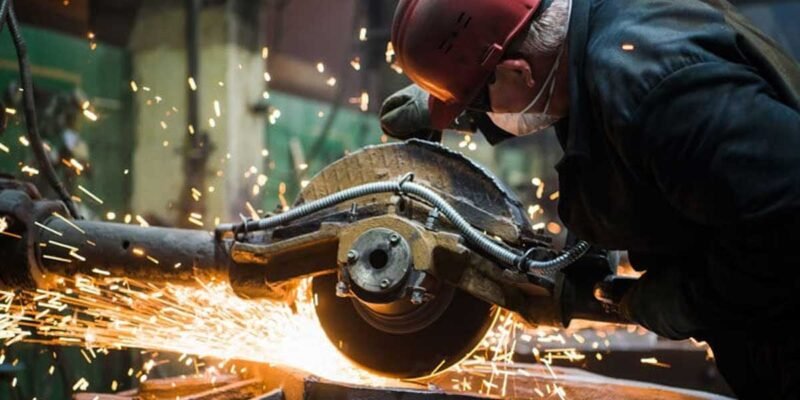
Welding joins metal components into finished architectural and structural assemblies. Structural welding addresses renovation, additions, reinforcement, and removal of existing structural elements. Several welding methods support different applications.
- Metal Inert Gas (MIG) welding produces strong, clean welds for steel staircases and aluminum railings.
- Tungsten Inert Gas (TIG) welding produces precise, smooth joints for metal railings.
- Shielded Metal Arc Welding (SMAW) suits heavy-duty structures and outdoor applications.
- Flux-Cored Arc Welding (FCAW) supports structural welding work.
Explore Metal Fabrication Services
Custom fabrication connects architectural design with the technical requirements of finished metalwork. Staircases, railings, and structural elements have different fabrication requirements, and the surrounding space influences the final design. A metal fabrication company brings these elements together through coordinated fabrication and installation, delivering tailored, creative metalwork across residential and commercial settings. Contact a fabrication team today to discuss custom fabrication and welding services.