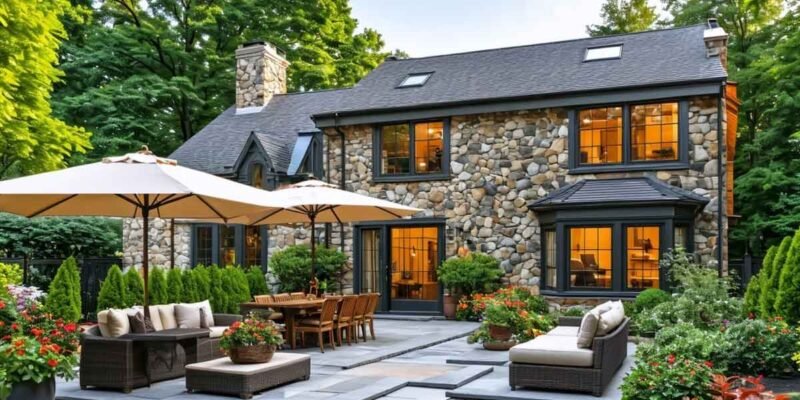
A massive backyard often feels like a blessing and a curse. While the extra square footage offers immense potential, it can also feel overwhelming. Staring at a wide expanse of grass might leave you wondering where to begin. Without a plan, a large yard can look barren or disjointed. The goal is to transform that open area into a functional, cohesive extension of your home.
This guide explores practical ways to break up large outdoor spaces. We will look at zoning, landscaping features, and functional additions that turn an empty lawn into a personal retreat. Whether you want to entertain crowds or find solitude, these strategies will help you design a backyard that fits your lifestyle.
Create Distinct Zones for Functionality
One of the most effective ways to manage a large backyard is to treat it like the interior of a house. Inside, you have a kitchen, a living room, and a dining area. Your outdoor space should follow the same logic. By creating distinct “rooms,” you give purpose to every corner of the yard.
Start by identifying what activities you enjoy most. If you love cooking, designate a specific area for an outdoor kitchen or grilling station. This should be close to the house for easy access to utilities. Next, think about relaxation. A separate lounging zone with comfortable seating, perhaps around a fire pit, invites conversation and comfort.
Use physical barriers to define these zones. You do not need to build walls. Planter boxes, low hedges, or changes in paving materials can subtly signal where one area ends and another begins. A transition from a wooden deck to stone pavers instantly tells guests they are entering a new part of the yard.
Incorporate Large-Scale Hardscaping
Small patios get lost in big yards. When you have the space, you need hardscaping features that match the scale of the surroundings. Tiny stepping stones or narrow pathways will look out of place. Instead, opt for wide walkways and expansive patios that anchor the design.
Consider building a multi-level deck or terrace. Elevation changes add visual interest and break up the monotony of a flat lawn. A raised deck can serve as a dining area, while a lower patio can host lounge chairs. Retaining walls made of natural stone or concrete can also add structure and provide extra seating.
Pergolas and gazebos are excellent for adding vertical interest. In a wide-open space, everything is often at ground level. A pergola draws the eye upward and provides much-needed shade. It creates a focal point that grounds the rest of the landscape design.
Add Water Features for Tranquility
Water features are powerful tools for filling space while adding sensory appeal. The sound of running water masks traffic noise, creating a peaceful atmosphere. In a large backyard, you have the freedom to think beyond a small birdbath.
A swimming pool is the obvious choice for filling a significant amount of space. It naturally becomes the center of activity. However, if a pool is too much maintenance, consider a large pond or a winding stream. These features encourage local wildlife and add a natural touch to the environment.
For those who prioritize relaxation over swimming laps, a hot tub installation can be a perfect addition. It serves as a year-round destination in your yard. When planning this feature, think about placement carefully. You might look for inspiration by researching dealers who offer Bullfrog spas in Salt Lake City to see how they integrate units into rocky or mountainous landscapes, then apply those design principles to your own terrain.
Use extensive Planting to Soften Edges
While hardscaping provides structure, plants provide life. In a large yard, you can plant in layers. Start with tall trees around the perimeter to provide privacy and frame the view. Move inward with mid-sized shrubs, and finish with ground cover and flowers near the walkways.
Don’t be afraid to plant a mini-forest or an orchard. A cluster of fruit trees fills space productively and provides a harvest. Alternatively, leaving a portion of the yard as a wildflower meadow reduces mowing time and supports pollinators.
Conclusion
Transforming a large backyard requires vision and strategic planning. By zoning the area, using appropriately scaled hardscaping, incorporating water features, and planting in layers, you can turn a daunting empty space into a functional paradise. The key is to break the project down into manageable sections. Start with one zone and expand as your budget and time allow. Eventually, your vast backyard will feel like a curated collection of beautiful, usable spaces.