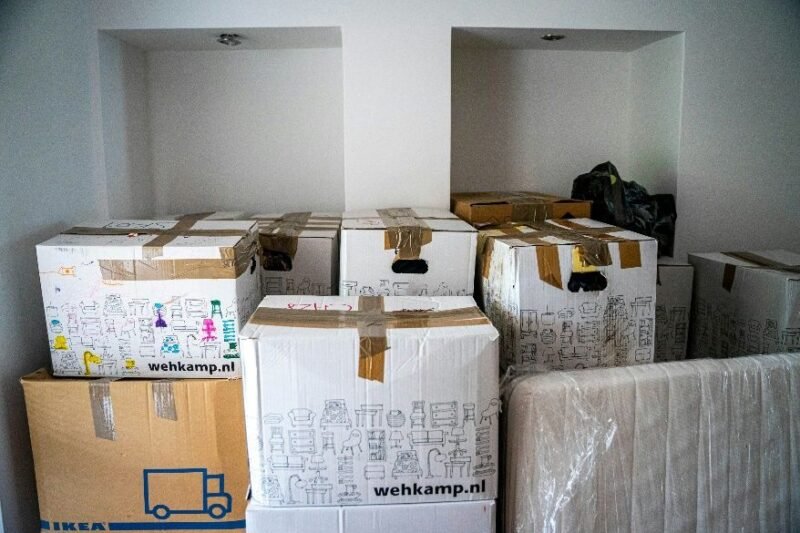
Have you ever stood in the middle of a room full of boxes and wondered how things got this out of hand?
Closets are overflowing, random cables appear from nowhere, and then there is that one chair that nobody even remembers buying. But somehow, all of it needs to be packed and moved.
Moving sounds simple at first. Pack everything, load it up, send it, and it’s done. But it rarely works that way.
It gets messy, tiring, and at some point, in the middle of it all, you want to quit everything and let it be.
But it doesn’t have to be like that. There is a way to make it easier. It’s not perfect, but manageable. Here is how to get through it without losing patience—or sanity.
Start Early, Even If It Feels Too Soon
Waiting always seems easier. There’s time, right? A few days won’t matter. Then suddenly, it’s two days before the move. Nothing is packed, and panic sets in.
Starting early fixes half the stress before it even shows up. Pick one small area – a drawer, a shelf. It doesn’t have to be perfect; you just have to begin from some point.
Why does starting feel so hard, though? Maybe because it forces decisions.
- What stays?
- What goes?
- What was even the point of keeping half this stuff?
But once that first box is taped shut, something shifts. Momentum kicks in, and slowly, the chaos starts to look… organized. Or at least less terrifying.
Choosing the Right Help
Trying to do everything alone sounds brave. It also sounds exhausting. Heavy furniture and awkward angles. That couch that refuses to fit through the door, no matter how it’s turned. It’s a whole thing.
This is where local movers quietly become lifesavers. Professionals remove complications because they have the tools and equipment needed to ensure the process is less of a headache.
They know how to lift without wrecking their backs and how to stack without things collapsing. And they move faster than expected, which is one of the most important factors of relocation.
But picking the right team matters. Not every option is great. Some show up late, some rush, and some treat important things as if they are disposable.
So how does one choose?
- Simple checks help.
- Reviews.
- Clear pricing.
A quick call to see how they talk.
Does it feel rushed? Or do they actually listen? Because on moving day, the last thing needed is more stress from the people meant to reduce it.
Declutter Like It Actually Matters
There’s always more stuff than expected. Always.
- Old clothes.
- Broken gadgets.
- Boxes that haven’t been opened in years.
Why does it all come out during a move? Because moving forces a choice. Keep carrying things that don’t matter… or let them go.
It sounds easy, but in reality, it really isn’t. Some items hold memories. Others feel like “maybe someday” things. And then there’s plain indecision. But here’s the truth. The less that moves, the easier everything becomes.
- Less packing.
- Less lifting.
- Less unpacking later.
So ask yourself a simple question. Has this been used in the past year? If the answer is no… does it really deserve space in the new place? It’s not about throwing everything away. It’s about making room for what actually fits life now.
Pack Smart, Not Perfect
Packing can turn into overthinking real fast. Should everything be sorted by color?
- By size?
- By category?
- Should every box look neat?
Honestly… no.
The goal isn’t perfection; the goal is getting things from one place to another without damage or confusion.
Start with the basics.
- Strong boxes.
- Good tape.
- Labels that actually make sense.
Not vague stuff like “misc.” That doesn’t help later. Clear labels save time, so try to keep things simpler. And then there’s the fragile stuff. Wrap it, cushion it, and then double-check it because nothing ruins a move like opening a box and hearing that awful crack.
Also… pack a small essentials bag where some of the stuff can include:
- Toothbrush. Chargers.
- A change of clothes.
- Snacks.
Because digging through ten boxes at midnight just to find a phone charger? That’s a special kind of frustration.
Create a Moving Day Game Plan
Moving day doesn’t have to feel like chaos, but without a plan… it usually does. Things get forgotten, people stand around unsure of what to do, and time slips away faster than expected.
So a simple plan helps.
What gets loaded first? What stays till the end? Who handles what? It doesn’t need to be complicated, just has to be clear.
And keep important documents separate. IDs, lease papers, or anything critical. Losing those in the middle of a move? That’s a nightmare nobody wants. Also, expect delays. Something always takes longer—traffic, last-minute packing, and missing items.
So build in a little extra time – it removes that constant pressure of being behind. Because rushing leads to mistakes, and moving already has enough of those.
Settle In Without Rushing Everything
Walking into a new place should feel exciting, but it often feels overwhelming instead.
Boxes everywhere. Nothing where it should be. The urge to unpack everything immediately kicks in. But is that even realistic?
Trying to do it all in one day leads to burnout, plain and simple, so stop rushing things.
Start with the essentials.
- The Bed.
- Kitchen basics.
- Bathroom items.
Make the space livable first and comfortable, so you can do things without stressing.
The final setting can be done later. Unpacking becomes easier when there’s no pressure to finish instantly. It turns into a process instead of a race. And over a few days, the place starts to feel like home. Not perfect. But settled.
Keep Expectations Real (Because Moving Can Get Messy)
No move goes exactly as planned.
- Stuff breaks.
- Something or the other is lost.
- Something takes longer.
That doesn’t mean it failed. Remember, the goal here isn’t perfection, it’s progress.
That’s what matters.
So when things feel off or messy, it helps to pause and ask… is this still moving forward?
If yes, then it’s working. And honestly, that’s enough. You just have to start early, get the right help, and let go of what isn’t needed. Keep things simple and take it one box at a time. Because eventually, the boxes get unpacked. The furniture finds its place, and the chaos fades.
And that new place? It finally starts to feel like home.