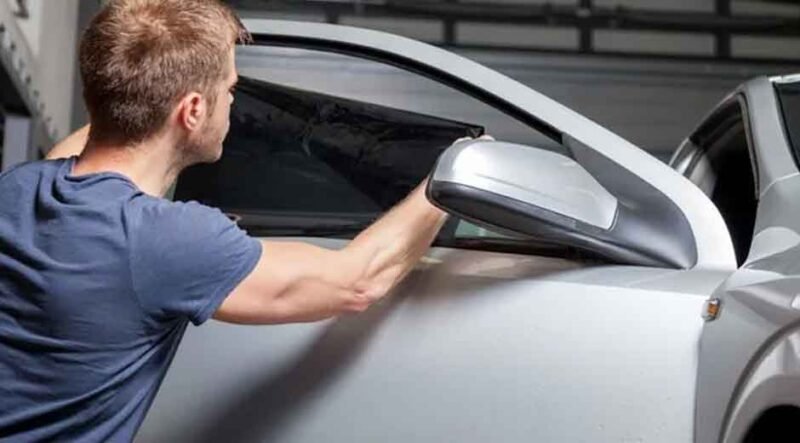
Knowing how window tinting can protect your skin is an important part of staying safe while on the road. UV rays can penetrate standard vehicle windows, leading to sunburn, premature aging, and increased risk of skin cancer.
Even brief exposure during daily commutes or short drives adds up over time. Window tinting technology helps block harmful ultraviolet radiation while allowing for clear visibility and a more comfortable ride.
UV Radiation and Skin Health
Ultraviolet rays from the sun penetrate glass, affecting drivers and passengers alike. Deep into the skin, UVA rays penetrate, contributing to long-term damage and premature aging, while sunburn is caused by UVB rays.
Over time, repeated exposure increases the risk of developing skin disorders. Vehicle windows without tint allow a good portion of these rays to enter, leaving occupants vulnerable. High-quality tints reduce UV exposure and protect skin integrity.
Types of Window Tint
Selecting the right types of window tint is an important part of protection. Dyed films absorb light but may degrade faster and provide limited UV defense. Carbon-based films resist fading and block UV rays effectively, while ceramic films offer superior heat rejection and UV protection.
Ceramic coatings applied over the tint boost durability and increase reflectivity, providing an added layer of safety against sun exposure. Each option offers distinct benefits depending on personal preferences and climate conditions.
Reduction of Heat and Glare
Tinted windows reduce the intensity of sunlight entering the vehicle, lowering interior temperatures and minimizing glare. Excess heat contributes to skin irritation and discomfort during long drives. Glare can also strain eyes, leading to squinting that accelerates fine lines and wrinkles.
Properly applied window tint reduces both heat and glare, creating a more comfortable environment while defending the skin from ultraviolet radiation.
Privacy and Comfort
Window tinting provides privacy for occupants, limiting visibility from the outside. This layer of discretion offers psychological comfort and allows drivers to feel secure while reducing the need to squint or adjust seating to avoid direct sunlight.
The combination of visual privacy and sun protection improves overall driving experience and reduces indirect UV exposure to skin.
How Tint Blocks UV Rays
High-quality tints use advanced technology to filter harmful UVA and UVB rays. Some films block up to 99% of UV radiation, preventing it from reaching the skin.
Ceramic films excel at this function due to non-metallic nanoparticles that absorb and reflect ultraviolet light without interfering with electronics or signals inside the vehicle. Choosing professional window tint services guarantees accurate application and maximum protection.
Preventing Premature Aging
Exposure to sunlight through untreated windows contributes to premature aging, including fine lines, wrinkles, and hyperpigmentation. Tinted windows act as a shield that prevents ultraviolet light from triggering these changes.
This protective layer is particularly beneficial for drivers and passengers who spend extensive time on the road, such as commuters, delivery drivers, and rideshare operators.
Skin Cancer Risk Reduction
Repeated exposure to UV rays increases the likelihood of developing skin cancers, including melanoma and non-melanoma types.
By filtering harmful radiation, tinted windows reduce cumulative damage, lowering long-term health risks. Using ceramic coating in combination with high-quality window tint amplifies protection, adding a resilient layer that resists scratches and maintains tint performance over time.
Preventing Fading and Damage to Interiors
Window tinting also protects the interior of the vehicle from sun damage. Leather, upholstery, dashboards, and other surfaces fade and crack under prolonged sunlight exposure. Damaged surfaces may indirectly affect skin through contact with heated or degraded materials.
Films block UV rays, preserving both the vehicle’s interior and the comfort of occupants. Satin or ceramic tints resist discoloration over time, maintaining consistent protection.
Choosing a Reliable Company
Working with a reliable coating and tinting company is more likely to mean that the film will be applied correctly and stick to industry standards. Poorly installed tint can peel, bubble, or fail to block UV rays effectively.
Professional installers assess window types, vehicle design, and regional sun intensity to recommend appropriate products. Quality installation maximizes the protective benefits for skin and prolongs the life of the tint.
Maintenance and Longevity
Maintaining tinted windows is important to sustain UV protection. Gentle cleaning with automotive-safe solutions prevents scratches that can compromise the film’s integrity. Avoiding harsh chemicals helps make certain that ceramic coatings and high-performance tints continue to block radiation effectively.
Periodic inspections detect minor damage early, allowing for timely repairs or reapplication by expert window tint services.
Complementary Solutions
Window tinting works best when combined with other protective measures. For example, applying ceramic coating over vehicle paint and glass reduces heat absorption and UV penetration.
This combination creates a complete defense against sunlight, maintaining both vehicle aesthetics and occupant health. Owners who want maximum protection should consider layered approaches that include both film and coating technologies.
Seasonal Considerations
Seasonal changes affect the intensity and angle of sunlight entering vehicles. During summer, direct overhead rays increase skin exposure, while winter sun at lower angles can enter through side windows.
Tinted windows adapt to these variations, reducing harmful UV impact regardless of season. Ceramic films maintain effectiveness in extreme temperatures, offering consistent protection year-round.
Comfort for Passengers
Passengers, especially children, benefit greatly from tinted windows. UV exposure through standard glass can affect delicate skin more severely in younger occupants.
Tinting reduces this risk, keeping everyone comfortable during long trips. Consistent protection prevents uneven sun exposure, which may otherwise lead to localized burns or skin irritation.
Visibility and Safety
Tinted windows reduce glare without obstructing visibility. This allows drivers to maintain focus while decreasing the need for sun-blocking accessories such as visors or hats that can interfere with comfort.
Safe driving conditions, combined with reduced UV exposure, contribute to overall skin protection. Modern types of window tint achieve an optimal balance between visibility, glare reduction, and sun shielding.
Cost-Effectiveness
Investing in high-quality tinting saves money over time. By preventing sun damage, occupants reduce the risk of skin-related medical costs. Vehicle interiors remain in better condition, reducing cleaning and repair expenses.
Combining tint with ceramic coating extends durability, providing long-lasting protection without frequent replacement. The upfront cost is offset by health benefits and long-term preservation of both vehicle and skin.
Long-Term Protection
Knowing the ins and outs of how window tinting can protect your skin highlights the importance of investing in quality films and coatings. By filtering UV rays, reducing heat and glare, and maintaining visibility, tinted windows safeguard both health and comfort.
Professional window tint services combined with ceramic coating deliver durable, high-performance protection.
Choosing appropriate types of window tint and relying on a reliable coating and tinting company maximizes benefits. Thoughtful application and maintenance preserve the skin of drivers and passengers while maintaining the aesthetic appeal of the vehicle.