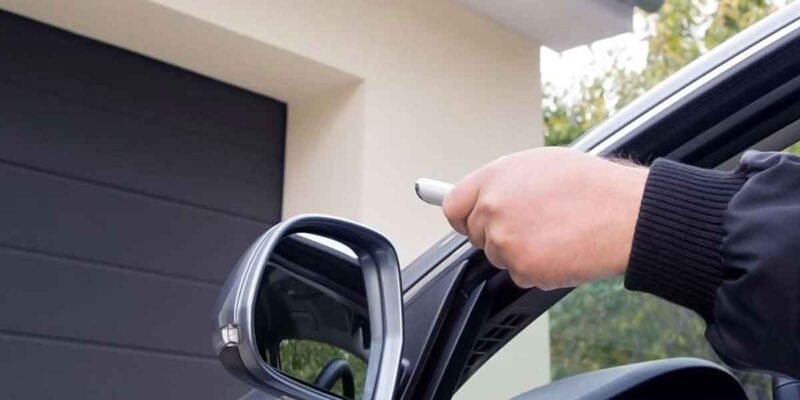
Before getting a garage door repair, start with some basic inspections that you can do yourself. If your door does not open, moves irregularly, or makes an unusual noise, the issue may be resolved quickly. Minor power disruptions, alignment, or hardware issues often lead to operational issues. Before scheduling service, it is worth taking a few minutes to check key components to know what the matter may be. Here are some of the ways in which you can troubleshoot your garage door safely:
Check Power Supply
If the door is not responding at all, begin by checking the power source. Openers depend on a working outlet, and a tripped breaker often interrupts their operation. Confirm that the motor unit is firmly plugged in. If garage door power is absent, reset the breaker or check the circuit panel. In many cases, the opener returns to normal operation by simply restoring electricity.
Inspect Remote Batteries
If the wall switch works during garage door repair but the remote does not, the issue may be a weak battery. Remote signals deteriorate with time, and a delay in response is evident. Changing batteries can provide a fast solution before you contact a professional. Install fresh batteries and test the signal again while standing within range. A consistent response means the issue was confined to the power within the remote. This is a basic measure that eliminates unnecessary garage door service appointments.
Review Track Condition
Tracks guide the door during movement. If the door jerks or makes grinding noises, inspect the metal rails on both sides. Obvious debris or slight bending affects smooth travel. You can clear out any debris to see if it offers a quick fix, but if it doesn’t, then you may need to call a professional.
Wipe off loose debris with a dry cloth. In case of minor misalignment, mounting brackets can be used to stabilize the track. Significant bending requires professional attention, while minor adjustments can improve movement.
Inspect Spring Tension
The garage door is lifted by springs, which also help soften the landing. A spring can break, making the door unusually heavy or unable to be lifted. Before it’s unable to lift, you might also hear a loud snap. Avoid handling springs as they often operate under high tension. In case lifting is hard even in manual mode, stop using it. Early identification of spring issues will help you describe symptoms effectively when planning a garage door repair service.
Test Manual Operation
Switch the opener to manual release and raise the door halfway. A balanced door does not drift up or down. Movement in either direction indicates an imbalance. Smooth manual operation suggests that the opener might require adjustment rather than structural repair. Uneven balance is an indicator of tension issues or hardware wear. This test helps narrow down the source of the issue.
Learn More about Garage Door Repair.
Garage door repair is more effective when you recognize the symptoms prior to seeking help. Simple troubleshooting will enable you to rule out power loss, sensor misalignment, or remote failure. When the problem is more than just modifications, call us for professional advice and reliable service to improve your home’s safety and accessibility.