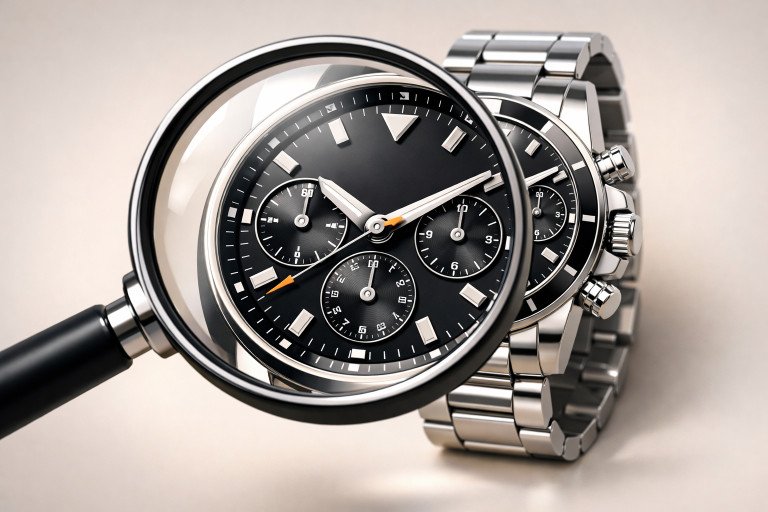
Owning a luxury watch signifies more than an appreciation for dependable timekeeping. It reflects a taste for tradition, engineering, and timeless design. However, the rise of sophisticated counterfeiters makes distinguishing genuine masterpieces ever more challenging for buyers. Carefully examining each aspect of a watch ensures your investment is both beautiful and authentic. When exploring luxury watches in Toronto, understanding the hallmarks of fine watchmaking is essential. Collectors, enthusiasts, and first-time buyers all benefit from knowing what sets genuine luxury watches apart from replicas. Nurturing this knowledge helps protect your investment and deepens your appreciation for horological artistry. The following guide explains how to assess quality craftsmanship and identifies telltale signs of authenticity.
Examine the Dial
A luxury watch’s dial provides immediate insights into its quality. Authentic pieces display pristine, well-aligned printing. Every line and numeral should appear crisp and defined under close inspection, often requiring a loupe. Premier brands like Patek Philippe or Tissot maintain precise standards, ensuring dials show evenly applied lume, immaculate indices, and intricate details such as sunburst or guilloché patterns. In contrast, counterfeits might have blurred lettering, inconsistent logo placement, or unevenly set markers. The dial is your first line of defense against forgeries, and a careful look can reveal hidden flaws that separate originals from imitations. Luxury watchmakers build their reputations on exacting craftsmanship. Printed elements, logo applications, and even the clarity of subdials reflect decades of accumulated expertise. Paying attention to these features offers crucial insights for anyone evaluating a timepiece.
Assess the Movement
The movement powers a watch’s heart. High-end brands adorn their calibers with decorative techniques such as Geneva stripes, perlage, or anglage. Not only do these finishes demonstrate skill, but they also enhance durability and reduce friction. When turning over an authentic watch with a sapphire caseback, one should see a visually stunning arrangement of gears, bridges, and jewels. A genuine movement often boasts a smooth, sweeping second hand, especially in mechanical and automatic types. Inexpensive fakes typically use less intricate quartz movements, producing a stuttering or jerky seconds motion, and often have unfinished plates and visible machine marks. Top-tier authenticators rejected nearly one-third of luxury watches submitted for resale in early 2024 due to concerns over counterfeit movements. This underscores the importance of verifying the mechanism when buying high-value watches.
Verify Weight and Materials
One of the simplest yet most effective tests for authenticity is the watch’s weight and tactile feel. Real luxury watches are crafted from premium stainless steel, gold, titanium, or ceramic, giving them a solid heft. The tactile sensation of these materials can be immediately noticeable, especially compared to lighter, cheaper metals or alloys used in counterfeits. The use of sapphire crystal, highly resistant to scratches, is another hallmark of quality. Gently tap the crystal with your fingernail; an authentic crystal will sound firm, while glass or acrylic will sound duller. Similarly, gold-plated fakes lack the lasting elegance and signature weight found in true gold cases. Material samples and specific gravity tests are common in the watch industry for verifying the purity of precious metals. For a deeper dive, you can reference industry-specific advice from sources like GQ’s guide to spotting fake Rolex watches, which emphasizes weight and authentic materials.
Inspect the Case and Bracelet
Turn your attention to the exterior construction for further clues. A true luxury watch features a meticulously finished case, with smooth lines, polished surfaces, and impeccable symmetry. Bracelet links glide fluidly across your wrist, and every joint or clasp closure is secure and easy to operate. Engravings should be laser-sharp and evenly etched, never shallow or poorly aligned. Serial numbers should match accompanying documentation and correspond to the brand’s format. Counterfeits may have unfinished, rough edges, rattling bracelet links, or uneven engravings. Close examination of branding marks and hallmarks can reveal discrepancies that are otherwise difficult to notice.
Seek Professional Authentication
When uncertainties arise, professional authentication is imperative. Authorized dealers and experienced watchmakers can dismantle a watch to inspect hidden components and verify the movement’s authenticity. Many reputable brands even offer official authentication certificates for their timepieces, a valuable resource for anyone buying luxury watches on the secondary market. Protecting yourself from counterfeits also means purchasing from reputable dealers, requesting authenticity documentation whenever possible, and remaining vigilant to too-good-to-be-true deals.
Conclusion
The art of identifying quality craftsmanship in luxury watches is a blend of informed observation, attention to detail, and hands-on inspection. By focusing on dial details, inspecting the movement, verifying the materials, scrutinizing exterior construction, and seeking professional judgment, collectors and enthusiasts can confidently select authentic timepieces that stand the test of time. Understanding a watch brand’s history, reputation, and manufacturing standards also plays an important role in recognizing true value. Examining finishing techniques, precision, weight, and overall performance can reveal the level of skill and dedication required to create each piece. Whether purchasing a first luxury watch or expanding a collection, developing a careful eye for craftsmanship helps ensure a worthwhile investment. A well-made timepiece is not only a symbol of style but also a lasting expression of engineering excellence and timeless artistry.