Water districts shoulder the critical responsibility of managing and distributing one of humanity’s most essential resources, yet they face operational challenges that most businesses never encounter. Whether you’re running a municipal water utility, managing a private water company, or overseeing a special district that serves a specific community, getting your insurance right isn’t just important, it’s absolutely essential for long-term viability. The stakes? They’re incredibly high, affecting not just your organization’s financial health but also the communities that depend on you for clean, reliable water service. This guide will walk you through the key factors that determine whether your organization needs specialized water district coverage, helping you make informed decisions that protect both your assets and the people you serve.
Understanding the Unique Risks of Water District Operations
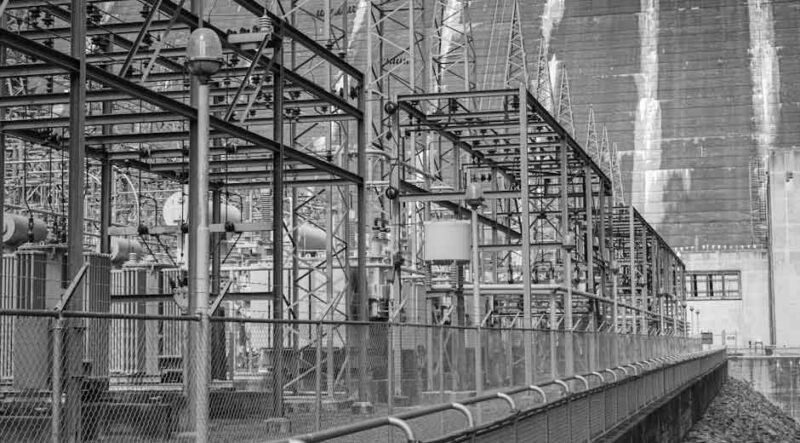
Here’s what makes water districts different: they face a complex web of risks that you simply won’t find in typical commercial operations. Think about the infrastructure involved, extensive underground piping systems, treatment facilities, pumping stations, and reservoirs that can span miles and miles of territory. These physical assets aren’t sitting safely in a warehouse; they’re constantly exposed to Mother Nature’s worst moods, equipment failures that seem to happen at the worst possible times, and the inevitable wear and tear that comes with aging infrastructure. But the challenges don’t stop at physical assets.
Evaluating Your Organization’s Asset Portfolio and Infrastructure
Let’s start with the basics, what do you actually own, and what’s it worth? Take a comprehensive look at your water district’s physical assets, including everything from water mains and service lines to fire hydrants, treatment plants, storage tanks, and administrative buildings. The age of your infrastructure matters enormously here because older systems aren’t just charming relics, they’re ticking time bombs that tend to fail more frequently and cost significantly more to maintain. Where you’re located also plays a huge role in determining risk. Are you operating in earthquake country? What about flood zones, wildfire-prone areas, or regions that get hammered by extreme weather? These geographic factors can dramatically increase your vulnerability.
Assessing Liability Exposures and Service Delivery Responsibilities
Water districts don’t just face ordinary business risks, they’re dealing with liability exposures that can be absolutely staggering in scope. Public health liability sits at the top of the worry list because contamination incidents or water quality failures can make thousands of people sick, damage countless properties, and trigger legal claims that drag on for years. When water service gets interrupted, whether it’s a broken main, equipment failure, or routine maintenance, businesses and residents can file claims for losses they suffered during the outage. Environmental liability deserves serious attention too, especially when you’re dealing with wastewater discharge, potential groundwater contamination, or the chemical storage that’s part and parcel of treatment facility operations.
Analyzing Financial Capacity and Risk Tolerance
Here’s where you need to have an honest conversation about money, specifically, how much financial pain your water district can actually handle. Take a hard look at your operating reserves, emergency funds, and available credit facilities to figure out what kind of losses you could absorb without external help. Most water districts operate on surprisingly tight margins, and here’s the kicker: you can’t just jack up rates overnight to cover unexpected losses because rate increases typically require regulatory approval, and there’s usually political pushback to deal with. When evaluating protection options for critical infrastructure and liability exposures, professionals who need to safeguard public water systems often turn to water district insurance that addresses their unique operational challenges. Think about what a major uninsured loss would mean for your rate stability, could you maintain current rates? What would happen to your capital improvement plans? Would you be able to meet debt service obligations? Budget constraints are real, so you’ll need to determine what premium level makes sense without leaving you underprotected. Some districts go for higher deductibles to trim premium costs, which can work if, and this is a big if, you’ve got sufficient reserves to cover those self-insured amounts when claims hit. Your cost-benefit analysis shouldn’t just consider how likely various loss events are; you also need to think about worst-case scenarios and their potential magnitude. Remember this crucial point: insurance premiums are predictable expenses you can budget for, while a catastrophic uninsured loss can literally threaten your organization’s continued existence.
Examining Regulatory Requirements and Stakeholder Expectations
Water districts don’t operate in a vacuum, they’re subject to oversight from multiple regulatory bodies, each with its own set of expectations and requirements. State laws frequently mandate minimum liability coverage levels for public water systems, and if you’re receiving federal grants or low-interest loans, you’ll likely find insurance requirements baked into those programs. Bond covenants often include specific insurance requirements because bondholders want assurance that their investment in your infrastructure projects is protected. Take time to carefully review every regulation, contractual obligation, and financing agreement that applies to your district so you can identify all mandatory coverage requirements.
Conducting a Comprehensive Coverage Gap Analysis
Now it’s time to put all the pieces together and figure out where the gaps are. Start by pulling out every insurance policy you currently have, general liability, property, auto, workers compensation, and any specialized coverages already in place. Really dig into these policies, looking specifically for exclusions, limitations, and coverage triggers that might leave your district vulnerable when you actually need to file a claim. Pay special attention to whether your current policies adequately address water-specific risks like contamination liability, losses from service interruptions, and damage to underground infrastructure that’s literally out of sight.
Conclusion
Figuring out whether your business needs dedicated water district coverage isn’t a simple yes-or-no question, it requires a systematic, thorough evaluation of your operational risks, asset values, liability exposures, financial capacity, and regulatory obligations. The reality is that water utility operations are genuinely unique, creating specialized insurance needs that address contamination risks, infrastructure vulnerabilities, and service delivery responsibilities that general commercial policies typically exclude or barely touch. By conducting comprehensive risk assessments, carefully analyzing financial implications, and honestly comparing your current coverage against identified needs, you can make informed decisions that truly protect your organization, your ratepayers, and the communities counting on you. Here’s the bottom line: adequate insurance coverage shouldn’t be viewed as just another operational expense, it’s a strategic investment in your organization’s resilience and long-term sustainability.