Hardwood floors lend a timeless touch of sophistication and value to any room, making them a favorite among homeowners and interior designers alike. When deciding on new flooring, it’s essential to understand your options and how to maintain your investment for years to come. Suppose you are searching for guidance or considering professional hardwood floor installation services in Tulsa. In that case, this comprehensive guide covers all the essential factors to help you make informed decisions and keep your floors looking pristine.
Selecting the best hardwood flooring for your lifestyle and aesthetic involves more than simply choosing a wood color or grain. Your floor’s long-term beauty and performance depend on the right product and proper care routines from the very beginning. By understanding the various types, finishes, and maintenance requirements of hardwood, you can ensure your home remains elegant, comfortable, and resilient for years to come.
Thoughtful maintenance not only preserves the natural character of hardwood but also prevents costly repairs and replacements. Whether you live in a bustling household or a quiet home, a tailored approach to cleaning and damage prevention can make a world of difference.
From daily habits to professional refinishing, each step you take increases the floor’s longevity and luster. Identifying the ideal species, installing with expert support, and practicing consistent care are all critical pieces of the hardwood flooring puzzle.
Choosing the Right Hardwood Flooring
Before investing, evaluate the core options that fit your needs and preferences. Popular hardwood species, such as oak, maple, and cherry, each offer distinct looks and varying levels of hardness. Oak is a classic choice due to its resilience and personality, whereas maple excels in high-traffic areas with its smoother grain. Cherry flooring brings warmth and rich color to stylish interiors. Explore various finishes, stains, and wood grades to achieve your ideal appearance.
- Wood Species: Consider the wood’s hardness and grain—harder woods, such as hickory and maple, withstand heavy foot traffic better.
- Solid vs. Engineered: Solid hardwood features planks cut from single pieces of lumber, providing authenticity and the ability to be refinished multiple times. Engineered hardwood consists of a real wood veneer layered over plywood, making it more stable for environments with significant temperature or humidity swings.
- Finish: Prefinished floors are coated before being delivered to your home, eliminating the need for on-site labor and allowing for immediate use. Unfinished floors are sanded and finished post-installation for a smoother, seamless look, but this process requires more downtime and specialized skills.
Daily Maintenance Tips
Day-to-day care forms the backbone of hardwood floor maintenance. Begin by sweeping or vacuuming regularly with a soft-bristle broom or a vacuum cleaner designed for hard floors. This habit eliminates abrasive dirt and dust particles that might scratch the finish. Spills should always be tackled immediately using a dry or barely damp cloth to prevent staining and water infiltration, which can cause warping or discoloration.
- Use entryway mats and area rugs to minimize tracked-in debris and absorb moisture in high-traffic areas.
Weekly and Monthly Care
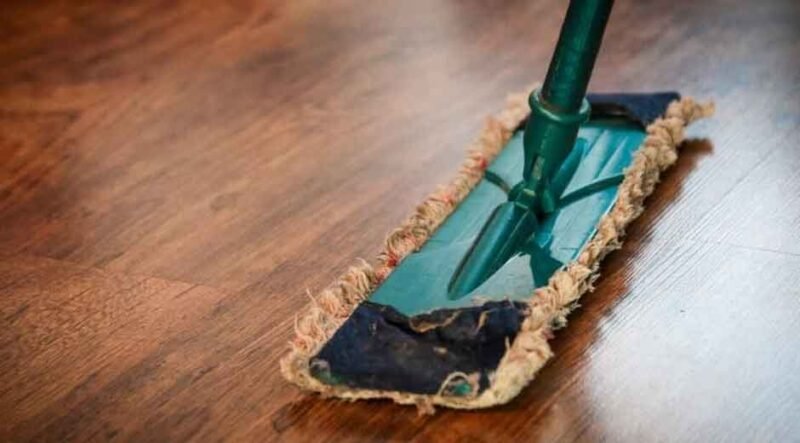
Every week, mop your floors with a damp mop and a cleaner explicitly suited for hardwood. Avoid excessive moisture and never use a soaking-wet mop, as this can cause lasting damage. Each month, make it a habit to thoroughly inspect your floor for subtle scratches, dull areas, or signs of wear—address minor problems before they become major repairs.
Cleaning Products and Techniques
Professional flooring contractors and manufacturers recommend using only pH-neutral, non-abrasive cleaners formulated for hardwood. Brand-name products like Bona Hardwood Floor Cleaner effectively lift grime without degrading your floor’s finish. Avoid using harsh chemicals, steam mops, or homemade solutions like vinegar and water, as these can strip protective coatings or etch the surface.
Preventing Scratches and Damage
- Attach felt pads to the bottom of all furniture legs and replace them as needed to prevent scratches during movement.
- Trim pet claws regularly, as they can gouge or mar the floor’s surface.
- Consider adopting a no-shoes policy, especially with high heels or shoes with stiff soles, to reduce dirt and grit that acts like sandpaper.
Addressing Stains and Spills
as soon as they appear. For white stains from water or alcohol, gently buff with a soft cloth and a mix of baking soda and water. For deep or black stains, sanding or refinishing may be the only solution; in these cases, it’s best to consult a specialist to avoid further harm.
Seasonal Considerations
- Maintain optimal indoor humidity between 30% and 50% using humidifiers or dehumidifiers as needed to prevent warping or gapping due to seasonal fluctuations.
- Use window treatments, such as curtains or blinds, to filter direct sunlight, protecting your floor from UV-related fading and discoloration.
Professional Maintenance
While regular home care is essential, hiring professionals every year or two for deeper cleaning can restore the luster and sanitary condition of your floors. Over time, refinishing may be necessary; plan for this every 7-10 years, based on wear patterns and loss of finish. Professional refinishing removes surface damage and revitalizes your floor with a new protective coating, extending its lifespan and enhancing its appearance.
With the right blend of selection, routine care, and occasional professional support, hardwood floors can remain a beloved feature of any home for generations.