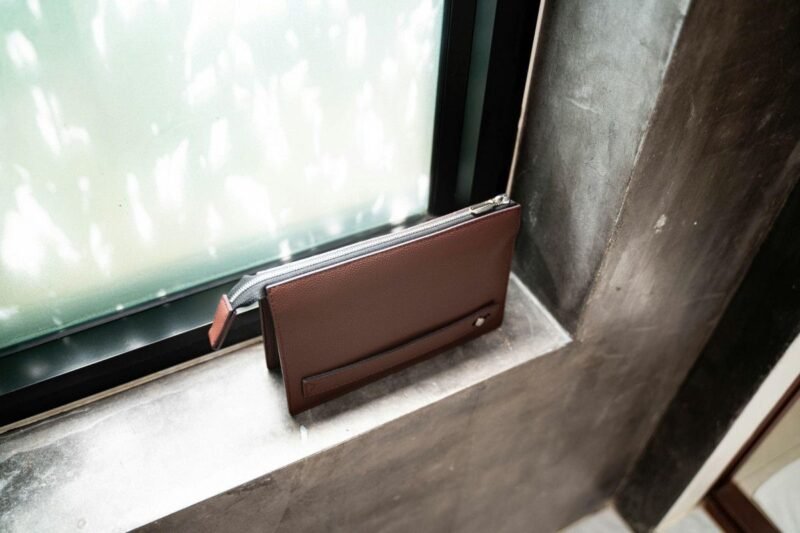
You spot a gorgeous clutch online, order it, and realize on the night of your event that your phone barely fits and the clasp will not close. It looks beautiful but fails when you need it to work.
This guide uses a simple Fit, Function, Finish method to help you choose a clutch that holds what you need, suits the occasion, and complements your outfit. You will learn a quick capacity audit, which measurements matter, and practical style rules.
Key Takeaways
- Start with what you need to carry. A 60-second capacity audit phone, cards, keys, lip product sets the minimum size before style.
- Match the clutch to the occasion. Rigid minaudières fit black-tie events; soft pouches and wristlets suit casual dinners and dancing.
- Check interior measurements. Gusset depth and base width affect what actually fits, even when two clutches share one listed length.
- Material changes care and comfort. Satin and silk read formal but stain easily; leather and suede need different care.
- Test before buying. Slide in your cased phone, close the clasp, and hold the clutch while sitting, standing, and raising a glass.
Start with the Occasion
Before browsing styles, identify where you will carry the clutch. Formality and practical demands narrow the field quickly.
- Black-tie gala: A structured box clutch or metallic minaudière, a small rigid evening case, works well with formal gowns. Keep it compact and polished.
- Wedding guest or cocktail party: An envelope clutch or beaded pouch balances elegance with enough room for essentials.
- Dinner date or night out: A wristlet, or a convertible clutch with a detachable chain, keeps your hands free for food and drinks.
For concerts, stadiums, and other policy-driven venues, check the official venue website before choosing a bag.Do a 60-Second Capacity Audit
Lay out everything you plan to carry. Then assign yourself to one of three carry kits:
- Minimalist: Phone, one card or slim card holder, and one key. This fits compact clutches roughly 7 to 8 inches, or 18 to 20 cm, long.
- Essentials: Phone, card holder, key, lip product, and tissue or blotting paper. This usually needs 8 to 10 inches, or 20 to 25 cm, of interior length and a gusset of at least 1.5 inches, or 4 cm.
- Event: Everything above plus a small mirror, breath mints, or a travel-size touch-up item. Look for 10 inches, or 25 cm, or more, with a wider gusset or a soft, expandable body.
This audit helps you avoid a clutch that looks perfect but leaves your phone hanging out.
Size and Capacity Basics
Two clutches can list the same exterior length yet hold very different amounts. The reason is interior structure.
- Gusset: The side panel that gives depth. A 2-inch, or 5 cm, gusset adds useful room; a flat envelope holds much less.
- Base width: A flat base lets items sit side by side instead of stacking.
- Rigidity: A structured frame protects contents but cannot flex. A soft body expands but may look bulky when full.
When checking dimensions, test with your phone in its case. Use official phone-maker specifications to confirm measurements in inches and centimeters. A slim card holder takes less space than a folding wallet, and a small key organizer beats a loose ring.
Silhouette and Structure
Each silhouette involves a trade-off between capacity, formality, and practicality.
- Envelope clutch: A flat, foldover design. It is sleek and versatile, but limited depth presses items together.
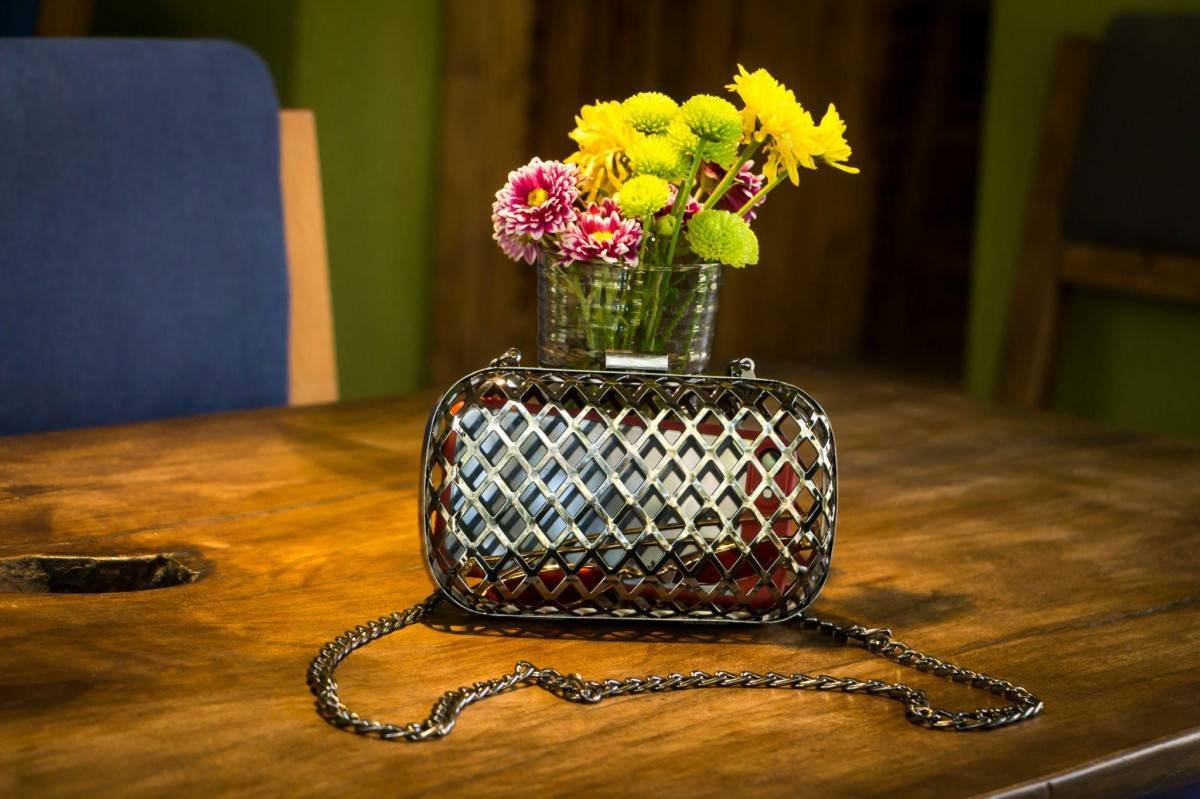
- Minaudière or box clutch: A rigid shape, often with decorative detailing. It protects delicate items but offers little flexibility.
- Soft pouch: A gathered or unstructured fabric bag. It is roomier and slightly more casual, but can lose shape when overfilled.
- Wristlet: A clutch with a short strap loop. It helps when you need a free hand, but the loop can affect how you hold it against a gown.
Materials and Finishes
Material affects durability, care needs, weight, and how formal the clutch appears.
- Satin or silk: Dressy and lightweight but prone to snags and stains. Best for controlled indoor settings.
- Leather: Durable and versatile across dress codes. Smooth leather wipes clean more easily, while textured grains hide minor scuffs.
- Suede: Rich in texture, but it absorbs moisture and requires careful storage and, often, a suitable protective spray.
- Beaded or embroidered: Visually distinctive, but raised beadwork can snag delicate fabrics like chiffon or fine knits.
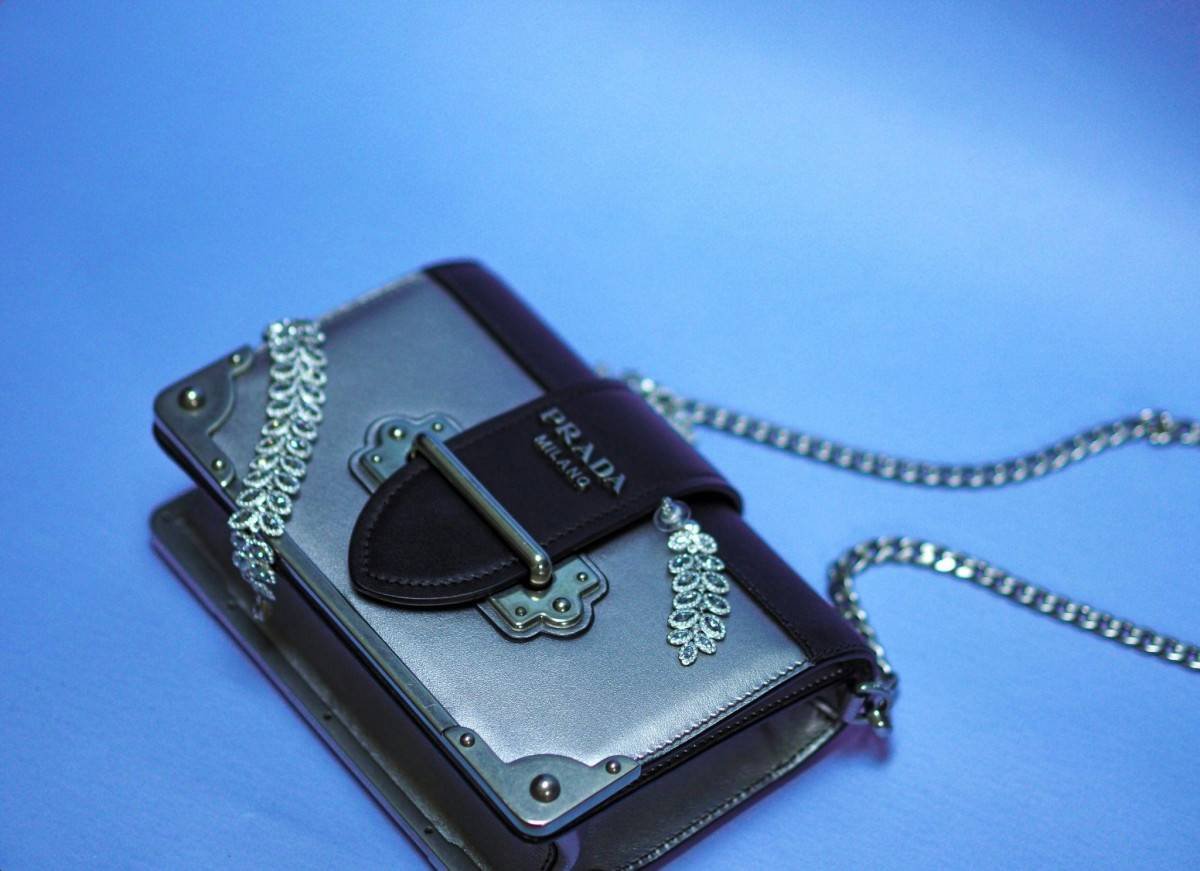
- Acrylic or metallic: Sculptural and eye-catching, but often heavier than fabric alternatives. Check weight before an all-evening event.
Weather matters too. Suede and untreated leather react poorly to rain, and very light leather can pick up dye from dark fabrics.
Color, Hardware, and Outfit Pairing
A few simple pairing rules go a long way:
- Match metals: If jewelry or shoe buckles are gold-toned, a gold clasp or chain keeps the look cohesive. Repeat for silver or rose gold.
- Use neutrals wisely: Black, nude, and metallic clutches work with the widest range of outfits. Choose a nude shade close to your skin tone.
- Create intentional contrast: A jewel-toned clutch against a neutral dress creates a focal point. Keep other accessories simple.
- Watch for dye transfer: Light or untreated leather can absorb color from dark garments. If tucking it under your arm, test it against the fabric first.
Closures and Security
The closure type affects both convenience and how securely your belongings stay inside.
- Zipper: The most secure option. It works well for nights out where the bag may be set down or moved around.
- Magnetic snap: Fast to open and close. If you rely on magnetic-stripe cards, check your card issuer’s guidance on magnet exposure.
- Turn-lock: A classic look with moderate security. Some turn-locks loosen with wear, so test the mechanism before buying.
- Kiss-lock or frame closure: Elegant and vintage-feeling, but the opening can be narrow. Even when interior length fits your phone, a tight frame may block it.
At home, close the clutch fully, then hold it upside down briefly over a bed. If the clasp pops open, consider a more secure closure.
Straps and Convertibility
A detachable chain or strap turns a clutch into a small shoulder bag or crossbody for hands-free moments.
Consider these details before choosing a convertible style:
- Chain weight: A heavy chain can dig into the shoulder or snag hair and lightweight fabrics.
- Strap length: Measure from your shoulder to where you want the bag to sit. A too-long strap can swing awkwardly with a fitted dress.
- Hidden attachment rings: Some designs tuck strap rings inside the bag when the chain is removed, keeping the silhouette clean.
- Wrist loops: A simple loop frees both hands without adding the bulk of a full strap.
Quality Checks Before Buying
Whether shopping online or in person, a quick inspection prevents disappointment.
- Stitching should be even, with no loose threads at stress points like corners and strap attachments.
- Hardware, including clasps, zippers, and chains, should move smoothly and feel solid, not flimsy.
- The lining should lie flat and not catch on items.
- Patterned fabrics should align at seams.
- Closures should shut fully without forcing.
Run a scenario test: slide in your phone with its case on, close the clasp, sit, stand, and pretend to raise a glass. If anything protrudes or feels awkward, keep looking.
Budget and Where to Research
Price generally reflects materials and construction. A hand-stitched leather clutch with metal hardware costs more than a machine-sewn fabric version, but either can work if the build is sound.
After measuring your essentials and noting key dimensions, compare two or three silhouettes at different price points, focusing on closure, lining, and edge finishing rather than the label alone. If you like to preview upcoming drops from heritage labels, browse a brand’s clutch category page and opt into email updates.
Longchamp’s clutches for ladies’ purses page, for instance, includes standard commercial navigation and a newsletter signup without offering editorial advice; still check product dimensions.
Care and Storage
A few post-event habits help protect the clutch:
- Store the clutch in a dust bag or soft pillowcase.
- Stuff the interior with acid-free tissue to help it hold shape.
- Do not overfill; stretching a structured clutch can distort it permanently.
- Spot-clean by material. For leather and suede, use guidance from a trusted conservation or leather-care source.
- Keep beaded or embroidered clutches away from knits and delicate fabrics to prevent snagging.
After each event, empty the bag, wipe the interior gently, and check for marks before storing it. Small stains are easier to treat early.
Putting It All Together
Choosing a clutch comes down to Fit, Function, Finish: audit capacity, match silhouette and closure to the occasion, then choose material, color, and hardware that complement your outfit.
Five minutes of measuring, testing, and inspecting helps you avoid a beautiful bag that does not work when you need it.