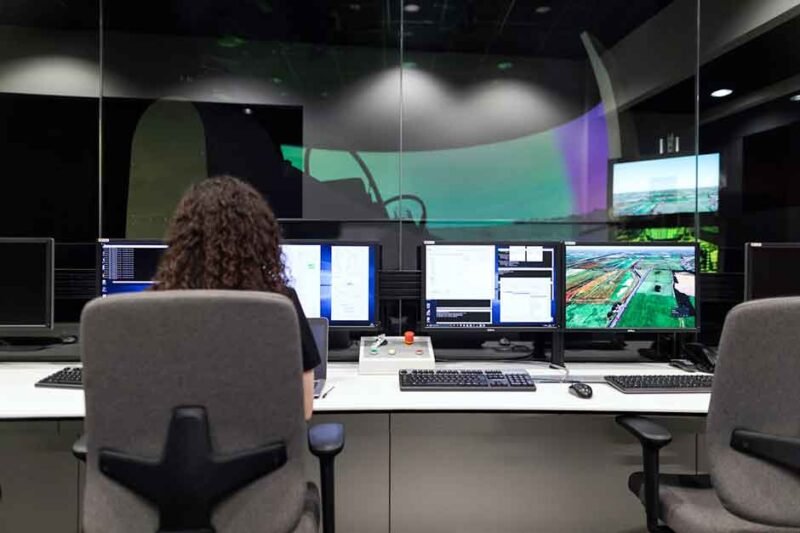
Today’s manufacturing landscape looks dramatically different than it did just a few years ago. Technological innovations have completely transformed production processes, ushering in an era of unprecedented efficiency and automation. From AI and robotics to IoT sensors and sophisticated enterprise software, manufacturers are discovering powerful new ways to streamline operations, cut costs, and stay competitive in our increasingly digital world.
Smart Factory Technologies Driving Innovation
Welcome to the era of smart factories, where science fiction has become reality. These intelligent manufacturing facilities use advanced IoT sensors to monitor and optimize production in real-time, keeping a watchful eye on everything from equipment performance to environmental conditions and product quality. Take pharmaceutical manufacturing, for instance, where smart temperature sensors automatically fine-tune cooling systems to maintain perfect conditions. Meanwhile, vibration sensors act like early warning systems, detecting potential equipment issues before they turn into costly failures.
Artificial Intelligence and Machine Learning Applications
AI and machine learning are revolutionizing manufacturing in ways that seemed impossible just a decade ago. Today’s computer vision systems, powered by sophisticated AI, can inspect thousands of products per minute with nearly perfect accuracy, far beyond human capabilities. These smart systems don’t just work harder; they work smarter, with machine learning algorithms constantly analyzing production data to spot patterns and optimize processes in real-time.
Advanced Robotics and Automation Solutions
The modern factory floor is increasingly populated by sophisticated robots and automation systems that handle repetitive tasks with incredible precision. Collaborative robots, or cobots, work harmoniously alongside human operators, combining mechanical efficiency with human ingenuity. The numbers tell an impressive story; automated assembly lines can run for up to 22 hours daily with 95% efficiency, while workplace injuries have plummeted by 72%.
Digital Twin Technology and Virtual Manufacturing
Digital twin technology has opened up exciting new possibilities by creating virtual replicas of physical manufacturing processes. This innovative approach lets manufacturers test and optimize operations in a risk-free virtual environment before making changes in the real world. It’s proving invaluable for experimenting with new production methods, training staff, and solving problems without disrupting actual operations. One major aerospace manufacturer leveraged digital twin technology to streamline their assembly line, cutting setup time by 25% and saving $3.5 million annually.
Cloud Computing and Enterprise Resource Planning
Modern manufacturing success depends heavily on sophisticated enterprise software systems that seamlessly integrate all business processes. When it comes to production planning and execution, manufacturers using Epicor Kinetic gain superior operational control and visibility across their facilities. Cloud-based solutions provide unprecedented flexibility, allowing manufacturers to adapt quickly as market conditions change. These comprehensive systems connect everything from supply chain management to quality control, offering real-time insights across operations.
Data Analytics and Business Intelligence
Manufacturing facilities generate vast amounts of data every day, and advanced analytics tools help turn this information goldmine into actionable insights. Real-time dashboards keep managers informed of key performance indicators, while predictive analytics help anticipate maintenance needs and optimize inventory levels. Consider how one food processing company implemented advanced analytics and saw waste reduction of 15% alongside a 20% improvement in forecast accuracy.
Sustainable Manufacturing Technologies
Environmental responsibility has become a driving force behind modern manufacturing innovation. Smart energy management systems, waste reduction technologies, and renewable energy integration are no longer optional; they’re becoming standard features in forward-thinking facilities. Companies that implement these technologies typically see energy savings of 25-35% and significant drops in carbon emissions.
Conclusion
The technological transformation of manufacturing shows no signs of slowing down, as innovations continue to drive unprecedented levels of efficiency, quality, and sustainability. As these technologies mature and new solutions emerge, manufacturers who embrace digital transformation set themselves up for long-term success. The convergence of smart technologies, artificial intelligence, and advanced analytics isn’t just improving current operations; it’s fundamentally reshaping manufacturing’s future. Those who invest in these capabilities today will be best positioned to tackle tomorrow’s challenges and seize new opportunities in the evolving manufacturing landscape.