Paver sealing can make a dramatic difference in how long your patio, driveway, or walkway looks its best. However, with so many factors affecting the price, homeowners are often left asking, “What does it actually cost to seal pavers, and how do I know if I’m getting a good deal?” If you are researching paver sealing cost, understanding all the moving parts involved will help you budget accurately and make informed choices about your property.
Paver sealing isn’t just about aesthetics. The process protects your investment and prevents expensive repairs down the road. Knowing the average costs, what influences the total price, and whether to tackle the job yourself or call in professionals will help you navigate your options and avoid costly mistakes as you plan your next outdoor project.
The overall cost will depend on several key factors, which we’ll explore in depth, along with why sealing pays off and how to choose the best option for your needs.
Armed with these insights, you can confidently choose the right products, professionals, and maintenance routines, ensuring your surfaces stay protected and beautiful for the long term.
Average Cost of Paver Sealing
On average, professional paver sealing costs $1.50 to $3.50 per square foot, depending on your location, surface area, and any additional services needed. This typical rate includes deep cleaning, sand-joint refilling, and at least 2 coats of sealer. For an average 500-square-foot patio or driveway, homeowners can expect to pay between $750 and $1,750 for a professionally finished surface. These numbers can fluctuate depending on the job’s complexity and any specialty sealers used. You can find more detailed cost breakdowns at A Buff & Beyond.
Factors Influencing Paver Sealing Costs
Several elements can affect the overall cost of your paver sealing project:
- Area Size: The larger the area, the more materials and labor are required. Bulk projects sometimes have lower per-square-foot rates but a higher total bill.
- Preparation and Cleaning: Surfaces with heavy stains or embedded dirt require extensive pressure washing, stain removal, or pre-treatment before sealing, which raises the price.
- Paver Condition: Damaged, loose, or uneven pavers may need re-leveling or replacement before preservation can begin. These repairs add fees but are essential for an even finish.
- Sealer Type: Film-forming sealers (glossy or matte) and premium two-part formulas cost more than basic water-based products but often last longer and deliver enhanced protection.
- Labor and Location: Local labor rates, accessibility, and climate all factor into the final price. Urban areas with high demand may be more expensive, while regions with extreme weather might require higher-performance sealers.
DIY vs. Professional Sealing
Going the DIY route can reduce upfront costs, with materials ranging from $0.20 to $0.40 per square foot for basic sealers and sand. Homeowners might spend as little as $100 to $200 for a standard-size patio, not including tool rentals or extra cleaning supplies. However, DIY sealing brings risks: improper application, uneven coverage, or choosing the wrong sealer can lead to failure that is difficult and expensive to fix. Professionals offer proper surface preparation, even application, and often a satisfaction guarantee to ensure pavers are sealed the first time correctly. According to Hunker, proper prep and choice of sealer are crucial for a successful job.
Benefits of Sealing Pavers
There are many compelling reasons to seal your pavers:
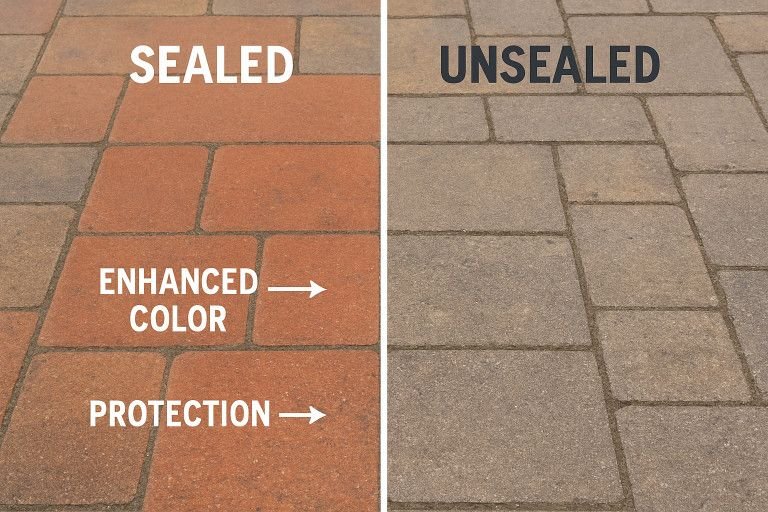
- Protection: Sealed pavers resist stains, mold, fading, and general wear much better than unsealed surfaces.
- Enhanced Appearance: Whether you choose a natural look or a high-gloss finish, sealers enhance the color and vibrancy of your pavers.
- Longevity and Lower Maintenance: Regular sealing extends paver life and makes cleaning much easier, protecting your initial investment for years to come.
Choosing the Right Sealer
Picking the best sealer type for your needs depends on the specific surface and the look you want. Film-forming sealers create a visible barrier that can be glossy or matte and are ideal for those seeking maximum color enhancement. Penetrating sealers soak into the pores of pavers without leaving a sheen, protecting against moisture infiltration while maintaining a natural stone look. Be sure to select a sealer compatible with your specific paver material, as mismatched products can cause discoloration or failure.
Maintenance and Resealing
To preserve the protective layer and appearance, plan to clean and reseal every 2 to 3 years, depending on your climate and usage. High-traffic areas or surfaces frequently exposed to weather may benefit from more frequent resealing. Regular inspections, quick spot cleaning, and prompt repair of damaged areas will maximize the sealer’s lifespan.
Common Mistakes to Avoid
Many paver sealing jobs go awry due to a few common errors:
- Applying sealer to dirty or wet surfaces prevents proper adhesion and results in a cloudy appearance.
- Failing to use enough product or applying unevenly can lead to blotches and unsightly results.
- Choosing an incompatible sealer for your specific paver type or existing treatments risks damage or premature failure.
Conclusion
Understanding the and the many factors that affect your investment helps you make smart decisions for your home. By committing to regular maintenance and selecting the right products and professionals, you will ensure your outdoor living spaces look vibrant and last for years. With careful planning, investing in sealing can yield tremendous long-term savings and value for any property.