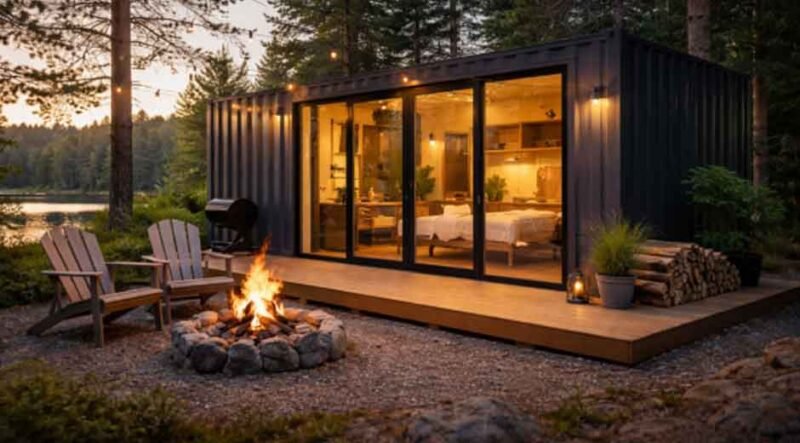
In recent years, unconventional living spaces have moved from niche experiments to mainstream lifestyle choices. Among these, container-based cabins have attracted attention from people seeking affordable, flexible, and experience-driven escapes from city life. The idea is simple: transform an industrial structure into a comfortable retreat where weekends feel slower, quieter, and more intentional. Yet behind this simplicity lies a web of design decisions, financial considerations, environmental trade-offs, and long-term impacts that deserve careful thought.
A shipping container, including larger options like a 40 ft shipping container, offers a ready-made structural shell that can be adapted into a compact cabin. However, turning steel into serenity requires more than creativity—it demands informed decision-making that balances cost, comfort, sustainability, and practicality.
Why Container Cabins Appeal to Weekend Travelers
The appeal of container cabins begins with lifestyle priorities. Many people today value experiences over possessions and prefer escapes that feel personal rather than standardized. A container cabin aligns well with this mindset because it offers:
- A defined, manageable space that encourages simplicity
- The ability to place a retreat in remote or semi-rural locations
- A sense of uniqueness compared to traditional cabins or rental properties
Unlike conventional vacation homes, container-based cabins often feel more intentional. They are designed around specific needs—quiet reflection, family bonding, or outdoor adventure—rather than excess space. This makes them especially attractive as weekend getaways, where functionality matters more than size.
Structural Advantages and Limitations
At a basic level, a cargo container is engineered to be strong, weather-resistant, and stackable. These qualities translate well into cabin construction. The steel shell can withstand harsh climates, including heavy rain, snow, and wind, which is valuable for cabins located in forests, mountains, or coastal areas.
However, strength alone does not guarantee comfort. Steel conducts heat and cold efficiently, which introduces challenges related to insulation and condensation. Without proper thermal treatment, a container cabin can become unbearably hot in summer and uncomfortably cold in winter. Solving this problem often requires adding insulation layers, interior wall systems, and ventilation—each increasing costs and reducing interior space.
The trade-off here is clear: the more comfort you want, the more modifications are required, and the more the project moves away from its original “simple and affordable” appeal.
Size Considerations and Spatial Trade-Offs
Choosing the right container size is one of the most critical decisions in cabin planning. A 40 feet shipping container offers generous length, making it suitable for creating separate zones for sleeping, cooking, and relaxing. This can significantly improve weekend comfort, especially for families or couples who plan to spend extended time inside during bad weather.
On the other hand, larger containers come with logistical and design challenges. Transportation costs increase with size, and placing a long container on uneven terrain may require additional site preparation. There is also a psychological factor: a larger interior can encourage clutter and complexity, which runs counter to the minimalist appeal many people seek in a weekend retreat.
Smaller configurations may feel restrictive but often lead to more thoughtful design choices, such as multi-functional furniture and stronger indoor–outdoor connections.
Cost Efficiency Versus Customization
One of the most common motivations for choosing a container cabin is perceived affordability. Compared to traditional construction, starting with a prefabricated steel structure can reduce initial material costs. However, this advantage depends heavily on how far customization goes.
Basic conversions—adding windows, doors, insulation, and simple utilities—can remain cost-effective. But as expectations rise, so do expenses. Plumbing systems, electrical wiring, high-quality finishes, and climate control can quickly push costs closer to those of conventional cabins.
There is a constant balancing act between cost and comfort. Investing more upfront may result in a cabin that is usable year-round, while cutting corners might limit the cabin’s use to mild seasons only. The right balance depends on how often the space will be used and what kind of experience the owner values most.
Environmental Impact and Sustainability Considerations
Container cabins are often marketed as eco-friendly, but this label deserves nuance. Reusing a storage container can reduce demand for new building materials, which is a positive environmental outcome. Additionally, the compact size of container cabins naturally encourages lower energy consumption, especially when paired with efficient appliances and passive design strategies.
However, modifications such as cutting steel, transporting heavy structures over long distances, and adding synthetic insulation materials all carry environmental costs. Sustainability improves when decisions are made thoughtfully—such as sourcing containers locally, using natural insulation materials, and designing for passive heating and cooling.
The impact of land use is another important factor. Placing a cabin in a sensitive natural area requires careful planning to minimize disruption to ecosystems. A smaller footprint, minimal foundation work, and off-grid systems can reduce long-term environmental effects, but they also introduce technical challenges that must be managed responsibly.
Comfort, Habitability, and Human Experience
A weekend getaway cabin is not just a structure; it is an experience. Comfort plays a major role in whether the cabin becomes a cherished retreat or an underused experiment. Natural light, ventilation, acoustics, and thermal comfort all influence how welcoming the space feels.
Containers, by default, are dark and enclosed. Adding windows improves light and views but can weaken structural integrity if not done correctly. Ventilation systems are essential to prevent moisture buildup, especially in humid climates. Each improvement adds complexity and cost, but skipping these elements often leads to dissatisfaction.
There is also a psychological aspect to consider. Compact steel interiors can feel restrictive to some people. Balancing industrial aesthetics with warm materials like wood and fabric can significantly improve the emotional quality of the space.
Location, Regulations, and Practical Constraints
Where a container cabin is placed matters as much as how it is designed. Zoning laws, building codes, and permitting requirements vary widely and can affect everything from foundation type to utility connections. Some regions welcome alternative structures, while others impose strict regulations that limit their use.
Accessibility is another key factor. Remote locations offer privacy and natural beauty but complicate transportation, construction, and maintenance. Delivering a large container to a secluded site may require specialized equipment and careful planning.
These logistical challenges highlight the importance of evaluating not just the cabin itself, but the broader context in which it exists. Decisions made early—such as site selection—can have long-term impacts on cost, usability, and environmental footprint.
Long-Term Value and Adaptability
While container cabins are often envisioned as weekend escapes, their long-term value should not be overlooked. A well-designed cabin can adapt to changing needs, serving as a guest house, rental unit, or creative workspace over time.
Adaptability depends on thoughtful layout and infrastructure planning. Designing with flexibility in mind—such as modular furniture or expandable systems—can extend the cabin’s usefulness and reduce the need for future renovations.
There is also the question of resale value. While container-based structures are gaining acceptance, they may still appeal to a narrower market than traditional cabins. This makes it important to balance personal preferences with practical considerations if long-term investment potential is a concern.
Balancing Vision With Reality
Turning a cargo container into a weekend getaway cabin is neither a shortcut nor a compromise—it is a design choice with distinct advantages and limitations. The process involves balancing affordability with comfort, sustainability with practicality, and individuality with regulatory constraints.
For those willing to engage thoughtfully with these trade-offs, a container cabin can offer more than a place to stay. It can become a deliberate retreat that reflects modern values: simplicity, adaptability, and mindful use of space. The key lies in understanding the full impact of each decision, from material choices to site selection, and aligning them with personal goals and environmental responsibility.
When approached with realism rather than idealism, a container-based weekend cabin can be both a functional structure and a meaningful lifestyle statement—one that transforms steel and space into rest, connection, and renewal.