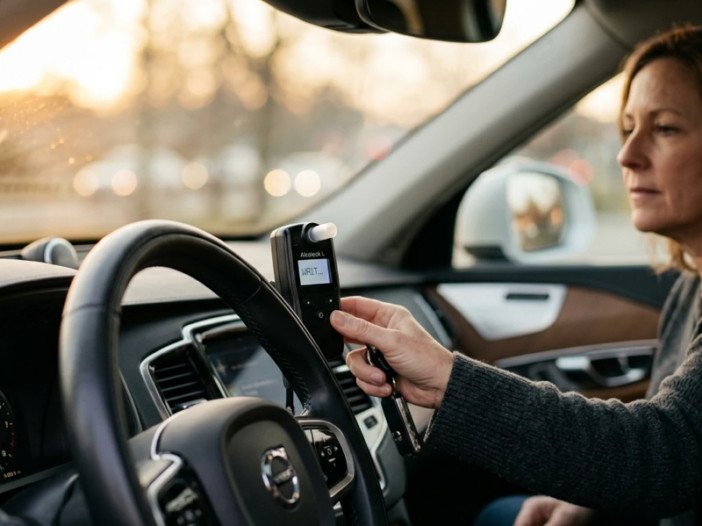
Understanding Ignition Interlock Devices
Ignition Interlock Devices (IIDs) are electronic devices installed in vehicles as part of certain court-ordered or administrative programs to help deter alcohol-impaired driving. Depending on the IID provider and program requirements, drivers may be required to provide a breath sample before the vehicle can be started. If the device detects alcohol above the program or jurisdictional threshold, the IID may prevent the vehicle from starting. Depending on the IID provider and state requirements, users may be required to complete periodic rolling retests while driving, helping to ensure ongoing sobriety throughout the journey.
The use of IIDs targets individuals convicted of driving under the influence (DUI), providing a layer of technological deterrence to impaired driving. Over time, IIDs have demonstrated their value as part of a larger effort to reduce alcohol-related accidents and repeat offenses on Michigan’s roads. For those seeking expert installation and monitoring services, Ignition Interlock Michigan provides a full range of solutions. Operated by Smart Start Michigan, a trusted leader with a longstanding record in helping offenders return to safe driving, the company offers state-approved devices and expert support across service areas such as Detroit, Grand Rapids, and Lansing. With a focus on reliable technology and convenient statewide locations, Smart Start Michigan is highly regarded for its commitment to road safety and compliance guidance.
Legislative Expansion of IID Use in Michigan
Michigan expanded the use of Ignition Interlock Devices (IIDs) through legislation enacted in September 2023. These laws broadened IID eligibility beyond traditional Operating While Intoxicated (OWI) and sobriety courts by allowing judges to order IIDs for individuals participating in specialty courts, including drug treatment, mental health, and veterans treatment programs. The expansion increased opportunities for eligible defendants to regain limited driving privileges while remaining under court supervision. It also reflected the state’s continued emphasis on rehabilitation, accountability, and public safety by incorporating IIDs into a wider range of court-supervised programs.
Effectiveness of IIDs in Reducing Repeat Offenses
Multiple studies and state reports confirm that IIDs are exceptionally effective in reducing repeat DUI offenses. For example, the Michigan Supreme Court has noted that sobriety court participants who used IIDs recorded a recidivism rate of just 2.8 percent, compared to a rate nearly double that for those without the devices. Judicial supervision paired with technological enforcement creates a strong framework that discourages relapse and supports lifestyle change. Public safety agencies nationwide agree that these devices substantially lower the risk of re-offending while reinforcing the judicial system’s rehabilitative mission. As the use of IIDs continues to grow through expanded access, their impact on recidivism is likely to become even more pronounced.
Challenges and Considerations
IIDs, despite their effectiveness, carry certain operational challenges that both providers and users must acknowledge. Depending on the IID provider and program requirements, some users may be required to complete periodic rolling retests while driving. While these measures are intended to verify ongoing driver sobriety, they can briefly distract drivers and have led to documented accidents. Policymakers and IID manufacturers need to work continually to develop features and user guidelines that minimize distractions without undermining safety objectives. Drivers also need thorough education on using these devices correctly to ensure compliance and minimize road risks. An in-depth look at the operational limitations and best practices highlights the need for ongoing education and safety-oriented design improvements. For more information on the varied experiences with IIDs and associated risks, readers can consult investigative coverage by The New York Times.
Cost and Accessibility
One concern about the widespread adoption of IIDs in Michigan is the cost to individual users. Participants must pay out of pocket for installation, monthly monitoring, and calibration services, potentially resulting in a significant financial burden. Recognizing this, Michigan has implemented policies to help qualifying low-income offenders. For those below 150 percent of the federal poverty guidelines, the state caps the daily cost of an IID at two dollars. This move aims to remove financial barriers and make the benefits of IIDs available to a broader population. Accessibility remains a critical factor in the long-term success of Michigan’s road safety initiatives. Further discussion on the financial aspects and user assistance programs is available on leading Michigan legal resources.
Role of IID Providers in Michigan
The effectiveness and accessibility of ignition interlock programs rely significantly on the quality and availability of IID providers. State-approved providers in Michigan offer essential services, including device installation, routine maintenance, calibration, user education, and ongoing technical support. Their network of service locations helps ensure that individuals throughout the state can access court-compliant ignition interlock devices conveniently and meet program requirements without unnecessary delays.
Many providers also work with courts, attorneys, and licensing authorities to facilitate compliance with state regulations and support individuals in restoring their driving privileges. By delivering reliable technology, knowledgeable guidance, and responsive customer service, approved IID providers play an important role in promoting roadway safety and helping participants successfully complete their ignition interlock requirements.
Conclusion
Ignition Interlock Devices are a vital element of Michigan’s ongoing commitment to reducing alcohol-related incidents and enhancing road safety. The legislative expansion of IIDs to various specialty courts marks a forward-thinking approach that emphasizes both rehabilitation and public protection. Although operational and financial challenges remain, solutions such as user education, improved device design, and financial assistance programs are making IIDs more practical and accessible than ever before. With the collaboration of the state and the judicial system, and with experienced providers such as Smart Start Michigan, Michigan’s roads are steadily becoming safer for all residents and visitors.