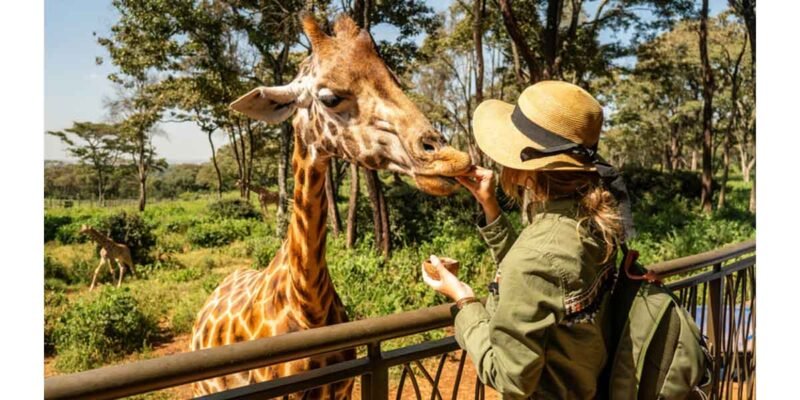
There’s a unique thrill in spotting an elephant in the wild or watching a sea turtle glide through the ocean. Wildlife tourism allows us to connect with nature in profound ways, fostering appreciation and support for conservation efforts. But this popularity comes at a cost. As more travelers seek out these encounters, the risk of exploitation and harm to animals increases.
Defining Ethical Wildlife Travel
At its core, ethical wildlife travel prioritizes the needs of animals and their environments above visitor entertainment. It operates on the principle of “observation, not interaction.” In a truly ethical setting, animals are free to exhibit natural behaviors without human interference or coercion.
This approach extends beyond just the animal encounters. It encompasses the broader impact of tourism on the ecosystem. Ethical operators consider their environmental footprint, waste management, and contribution to local conservation initiatives. They understand that protecting wildlife means protecting the land and the communities that coexist with it.
For accommodations, this means blending into the environment rather than dominating it. It involves sustainable building practices, minimizing light and noise pollution that disturbs local fauna, and actively contributing to anti-poaching or habitat restoration efforts. When you stay at an ethical lodge, your money directly funds the protection of the very wildlife you came to see.
Researching and Vetting Accommodations
Finding a truly responsible place to stay requires a bit of detective work. Marketing terms like “eco-friendly,” “green,” and “sustainable” are often unregulated, leading to greenwashing where businesses exaggerate their environmental practices. To cut through the noise, look for concrete evidence of their commitment.
Start by checking their website for specific policies on wildlife interaction. Reputable places will clearly state that they do not offer direct contact experiences like riding, petting, or feeding wild animals. Look for partnerships with recognized conservation organizations or certifications from bodies like the Global Sustainable Tourism Council (GSTC).
Read reviews from other travelers on independent platforms. Look for mentions of how animals were treated. Did the guides chase animals to get a better view? Was bait used to lure wildlife closer? These are major warning signs. Conversely, positive reviews often highlight knowledgeable guides who respect boundaries and prioritize animal welfare.
Location is another key factor. If you are looking for the best lodges in Alaska, for example, investigate where they are situated relative to wildlife corridors. Are they encroaching on sensitive habitats, or are they situated in a way that minimizes disturbance? The best accommodations often have strict rules about guest behavior to ensure the safety and tranquility of the local wildlife.
Questions to Ask Before You Book
Don’t be afraid to reach out to a potential accommodation directly. Their willingness to answer detailed questions is often a good indicator of their transparency and commitment. Here are some essential questions to ask:
- What is your policy on wildlife interaction?A vague answer is a red flag. You want a clear “hands-off” policy for wild animals.
- How do you support local conservation efforts?Look for specific examples, such as funding anti-poaching patrols, supporting research projects, or donating a portion of profits to local NGOs.
- Where do you source your food and materials?Ethical lodges often support the local economy by sourcing locally, which reduces their carbon footprint and builds community relationships.
- How do you manage waste and water?Responsible waste management is critical in sensitive ecosystems to prevent pollution and disease transmission to wildlife.
- Do you offer educational programs for guests?The best experiences leave you more informed about the local ecosystem and the challenges it faces.
Red Flags to Watch Out For
While some unethical practices are obvious, others are more subtle. Being able to spot these red flags will save you from inadvertently supporting harmful industries.
- Guaranteed sightings:In the wild, nothing is guaranteed. Operators promising 100% success rates may be using baiting, tracking devices, or keeping animals in enclosed areas to ensure sightings.
- Direct contact:Any facility offering opportunities to hold, ride, or take selfies with wild animals is likely prioritizing profit over welfare. This includes “walking with lions” or swimming with captive dolphins.
- Performance or tricks:Animals performing unnatural behaviors for food or entertainment is a clear sign of exploitation and often involves cruel training methods.
- Cages or chains:Unless it is a legitimate rehabilitation center with a release plan (or a sanctuary for non-releasable animals), wild animals should not be caged or chained.
- Breeding programs:Be wary of facilities that breed animals in captivity without a clear release program. True sanctuaries generally do not breed animals, as their goal is to provide a home for rescued individuals, not create more for captivity.
Conclusion
Your choices as a traveler have power. By prioritizing ethical wildlife travel, you send a clear message to the tourism industry that animal welfare matters. You shift the demand away from exploitative practices and toward experiences that value and protect nature.