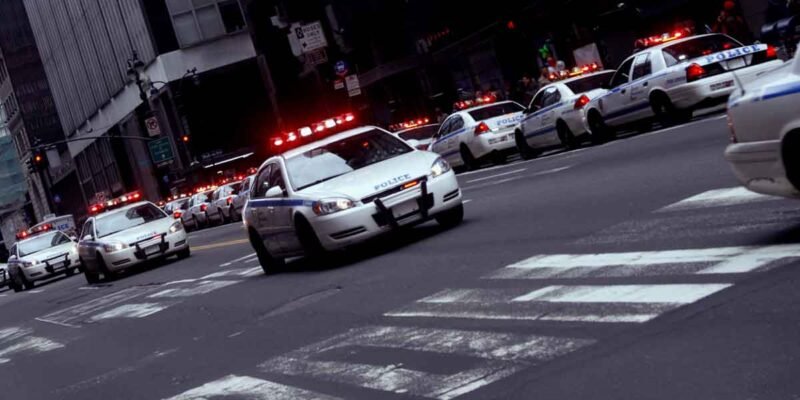
When emergency calls come in, first responders rush to the scene without hesitation. Whether it’s a medical emergency, a fire, or a vehicle collision, these professionals put themselves in harm’s way to help others. However, the roadside itself is one of the most dangerous environments for emergency personnel. High speeds, distracted drivers, and poor visibility create a perfect storm of risk.
Enhancing safety for these fleets isn’t just about better training; it’s about equipping vehicles with the right technology and strategies to ensure they are seen and respected on the road. From lighting solutions to strategic positioning, every detail counts when seconds matter and lives are on the line.
The Reality of Roadside Risks
The statistics regarding roadside incidents involving first responders are sobering. Every year, police officers, firefighters, EMTs, and tow truck operators are struck by passing vehicles while performing their duties. These “struck-by” incidents often occur because approaching drivers fail to see the emergency vehicle in time or don’t move over safely.
Several factors contribute to this danger. Distracted driving is at an all-time high, with motorists looking at phones instead of the road. Additionally, adverse weather conditions like rain, fog, or snow can severely reduce visibility. Even on a clear night, a dark uniform against a dark road can make a responder nearly invisible. To combat this, fleet managers must prioritize visibility above all else.
Visibility is Survival
The most effective way to protect a stationary emergency vehicle is to make it impossible to ignore. Visual warning systems are the first line of defense. Traditionally, rotating beacons were the standard, but technology has evolved significantly. Modern fleets are turning to high-intensity LED solutions that cut through darkness and bad weather.
Lighting isn’t just about brightness; it’s about placement and pattern. A well-lit vehicle outlines its size and shape, helping drivers gauge distance and speed. This is where specialized equipment like led light bars for trucks becomes essential. These bars offer superior luminance and durability compared to older halogen models, ensuring that the vehicle is visible from a considerable distance. By using contrasting flash patterns and synchronized lighting, fleets can alert drivers earlier, giving them ample time to react and change lanes.
Strategic Vehicle Positioning
While lighting captures attention, physical positioning creates a safety barrier. This practice, often called “fending off,” involves parking the emergency vehicle at an angle to the flow of traffic. This angle serves two purposes: it deflects the impact of a potential collision away from the work zone and the responders, and it increases the visual profile of the vehicle to oncoming traffic.
For fire trucks and larger apparatus, this blocking technique is standard procedure. However, smaller fleet vehicles, such as ambulances or police cruisers, must also adopt defensive parking strategies. The goal is to create a “shadow” or a safe working zone where personnel can treat patients or clear debris without fear of being struck. Training drivers on exactly how to position their specific vehicle type for maximum protection is a critical component of fleet safety programs.
The Role of Reflective Markings
Active lighting is crucial, but passive visibility is equally important. What happens if the electrical system fails, or the vehicle is turned off? This is where high-visibility reflective markings come into play. chevron striping on the rear of emergency vehicles has become an industry standard for a reason—it works.
Studies have shown that fluorescent yellow-green and red retro-reflective materials significantly improve detection times for approaching drivers. These markings catch the headlights of oncoming cars, reflecting light back to the source and illuminating the emergency vehicle’s outline. Standardizing these markings across a fleet ensures consistency and helps the public instantly recognize an emergency situation, prompting them to slow down.
Advanced Warning Systems and Technology
Beyond lights and paint, technology is offering new ways to warn drivers. Digital alert systems are now being integrated into emergency fleets. These transponders send real-time digital alerts to navigation apps (like Waze) and the infotainment systems of nearby consumer vehicles.
Instead of relying solely on a driver seeing flashing lights, these systems provide an audible and visual warning inside the approaching car: “Emergency Vehicle Ahead. Slow Down.” This digital layer of protection is particularly effective against distracted drivers who might not be looking out the windshield but are paying attention to their GPS.
Training and Public Awareness
Equipment is vital, but the human element remains the deciding factor in safety. Regular training on scene management is non-negotiable. Responders need to know how to exit the vehicle safely (always checking traffic), how to set up flares or cones effectively, and how to spot-check one another.
Furthermore, fleets must engage in public awareness campaigns. “Move Over” laws exist in all 50 states, yet many drivers remain unaware of them or fail to comply. By partnering with local media and using social platforms to educate the community, agencies can reinforce the legal and moral obligation drivers have to give first responders room to work.
Prioritizing the Return Home
The ultimate goal of any first response mission is for everyone to go home safely at the end of the shift. Enhancing roadside safety requires a multi-faceted approach that combines advanced technology, strategic protocols, and ongoing education.
By investing in high-visibility solutions, adopting defensive positioning, and leveraging digital alerts, fleet managers can significantly reduce the risks their teams face. The road is a dangerous workplace, but with the right tools and preparation, we can ensure that those who protect us are protected in return.