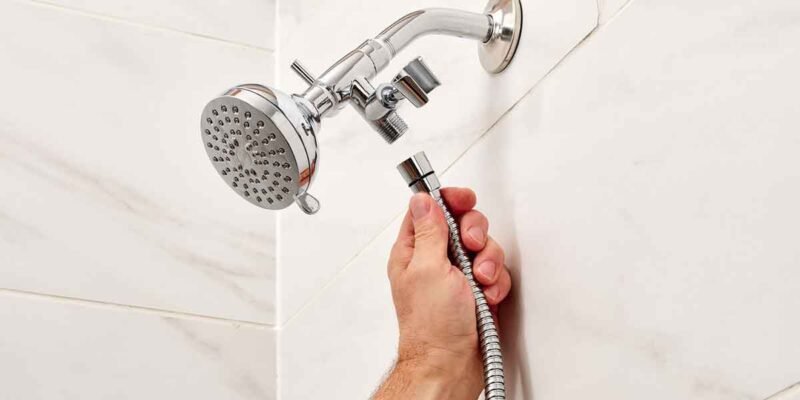
There are few things more frustrating than stepping into the shower expecting a strong, refreshing stream of water, only to be met with a disappointing trickle. Low shower pressure can make something as simple as washing your hair take longer than it should, while also making your morning shower feel far less satisfying.
Fortunately, weak water pressure does not always mean you need expensive plumbing work. In many cases, a few straightforward changes can make a noticeable difference.
Clean Your Showerhead
One of the easiest places to start is the showerhead itself. Over time, minerals from your water supply can build up around the nozzles and restrict the flow of water.
Removing the showerhead and soaking it in a cleaning solution designed to tackle mineral deposits can help clear those blockages. You can also gently scrub the nozzles with an old toothbrush to remove stubborn buildup. Once everything is clean, you may find the water flows much more freely.
Check Whether Your Showerhead Is Restricting Flow
Sometimes the problem is not your home’s water pressure at all. Your existing showerhead may simply produce a softer stream than you would like.
Replacing an older or underperforming model can be an easy upgrade, particularly if you want your shower to feel more powerful without making significant changes to the plumbing. Products designed to concentrate and optimize water flow can make the shower feel stronger even when the underlying water supply remains the same.
Looking at shower filters from Aquabliss is a good idea if you are looking for a shower setup designed to improve the overall experience while addressing water quality and flow.
Make Sure Valves Are Fully Open
If your shower pressure has suddenly become weaker, check whether any water valves have been partially closed. This can occasionally happen following plumbing work or maintenance.
Your home’s main water valve should generally be fully open. Depending on your plumbing setup, there may also be individual valves affecting the bathroom. If you are unsure where these are located, a plumber can help you identify them.
Look for Leaks
Leaks do more than waste water. They can also reduce the amount of pressure reaching your shower. Take a look around visible pipes, faucets, and fixtures for dripping water, damp patches, or unexplained moisture. A small leak might seem insignificant, but fixing it could improve water pressure while preventing a much more expensive problem later.
Avoid Using Too Many Appliances at Once
If you notice your shower pressure drops when the washing machine, dishwasher, or another faucet is running, your home’s water supply may simply be struggling to meet several demands at the same time.
Where possible, schedule water-heavy chores for different times. Running the dishwasher after everyone has finished showering, for example, could immediately improve your morning routine.
Know When To Call a Professional
If you have cleaned the showerhead, checked the valves, and ruled out obvious leaks but the pressure is still poor, there may be a deeper plumbing issue. Older pipes, pressure regulator problems, or issues with the municipal water supply can all affect performance.
A plumber can investigate the cause and recommend the right solution. However, it is always worth trying the simple fixes first. Sometimes, cleaning your showerhead or upgrading your shower setup is all it takes to turn a weak trickle into a much more enjoyable shower.