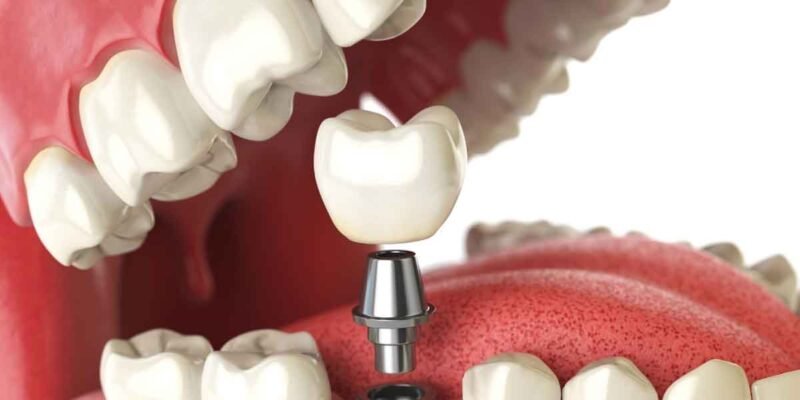
Dental implants are a highly reliable option for replacing missing teeth, offering more than just aesthetic benefits—they significantly support overall oral health. Tooth loss affects more than appearance; it can impact chewing, speech, jawbone health, and even the stability of nearby teeth. For those considering dental implants, understanding their role in oral health highlights why they are often seen as a long-term solution rather than a purely cosmetic one. This article explores how dental implants work, their benefits for oral health, and key factors patients should consider before treatment.
How missing teeth affect oral health
Tooth loss causes more than just a gap in your smile. When a tooth is missing, adjacent teeth often shift toward the space, disrupting bite alignment and making chewing less efficient. This misalignment can also place undue strain on the jaw. Furthermore, missing teeth lead to jawbone resorption; without the stimulation provided by natural chewing, the bone begins to shrink over time. This loss of bone density can eventually alter your facial structure and complicate future dental procedures. Addressing tooth loss early is essential to preventing these long-term health issues.
What makes dental implants different from other options
Dental implants replace both the visible tooth and its root. A small post is inserted into the jawbone, where it gradually integrates to form a stable base for a crown or other restoration. Since implants are anchored in the bone, they function more like natural teeth compared to removable options. They don’t depend on neighboring teeth for support, helping to preserve the surrounding tooth structure. This root-level replacement is a key reason implants contribute to better oral health.
Supporting healthy gums and surrounding teeth
Dental implants are placed without affecting surrounding teeth, unlike some traditional solutions that require altering or reshaping nearby teeth for support. By preserving proper spacing, implants help prevent teeth from shifting out of alignment, promoting a healthier bite and reducing areas where food can get trapped. Proper spacing also supports gum health by making daily cleaning easier, which helps lower the risk of inflammation and decay.
Clearer speech and improved comfort
The way you speak relies on precise coordination between your tongue, lips, and teeth. Gaps from missing teeth or unstable dentures can affect airflow, leading to unclear pronunciation. Because dental implants are fixed in place, they provide consistent support for the tongue and lips, often resulting in clearer speech and greater confidence. Implants also improve comfort because, unlike removable options, they don’t press on the gums. This reduces irritation and allows for more natural movement when speaking and eating.
Long-term oral hygiene and maintenance
Caring for dental implants is much like caring for your natural teeth. Regular brushing, flossing, and routine dental visits are essential for keeping them in good condition. Since implants are fixed, they don’t require removal or special adhesives. This simplicity can lead to better daily hygiene habits, benefiting your entire mouth. Healthy gums and surrounding tissues are key to the longevity of the implant and your overall oral wellness.
Understanding candidacy and preparation
While most adults are candidates for dental implants, a thorough clinical evaluation is necessary. Your dentist will assess factors like gum health, bone density, and medical history to determine if the procedure is right for you. In some cases, preparatory treatments—such as managing gum disease or bone grafting—are required to ensure a stable foundation. Investing time in these initial steps, combined with a commitment to consistent oral hygiene, is the best way to ensure the long-term success of your implants.
Long-term value for oral health
Dental implants are a long-lasting solution with proper care. Unlike other options that may require frequent replacement or adjustment, implants offer reliable support over time. They help preserve bone, protect surrounding teeth, and restore function, making them a valuable investment in oral health. Many patients find that implants reduce future dental problems like shifting teeth or bone loss. Having access to implant care and follow-up support locally adds both convenience and peace of mind.
Conclusion
Dental implants provide more than just cosmetic benefits. They improve chewing, speech, bone health, and overall stability in the mouth. If you’re considering dental implants in Winchester, VA, understanding their role in oral health can help set realistic expectations and explain why implants remain a reliable option for tooth replacement.