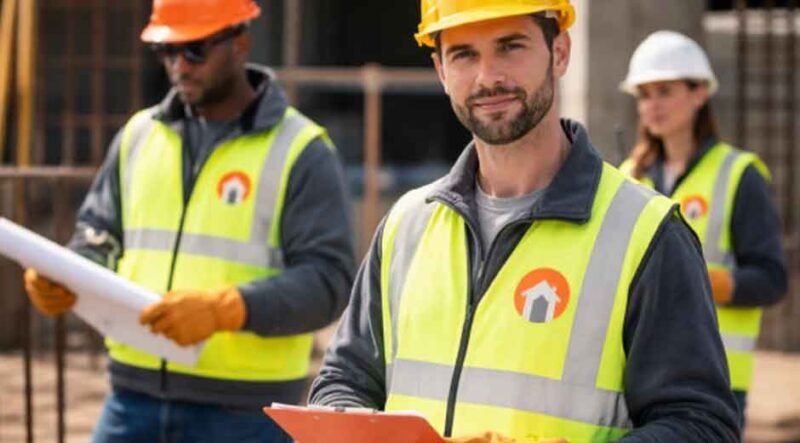
In today’s competitive business environment, branding is no longer limited to marketing materials, websites, or advertising campaigns. It increasingly shows up in everyday operational decisions, including how employees are equipped on the job. Uniforms and protective equipment serve a dual purpose: they keep workers safe while also communicating professionalism, reliability, and organizational values. When done thoughtfully, combining custom screen printing with safety gear such as Leather Gloves can become a powerful extension of brand identity rather than a purely functional expense.
This approach, however, involves more than simply adding a logo to protective apparel. Businesses must balance visibility, durability, safety compliance, cost efficiency, and employee acceptance. Understanding how these factors interact is essential for organizations looking to reinforce their brand while maintaining high safety standards.
The Strategic Role of Branded Safety Gear
Safety gear is one of the most visible aspects of daily operations in industries such as construction, manufacturing, warehousing, utilities, and logistics. Employees wearing protective apparel often interact with clients, inspectors, vendors, and the public. This visibility makes safety gear an underutilized branding asset.
Branded uniforms signal organization and credibility. When workers appear consistent and professional, stakeholders are more likely to perceive the company as reliable and well-managed. At the same time, safety equipment sends an implicit message about how much a company values its workforce. High-quality protective gear suggests care and responsibility, while poorly chosen or uncomfortable equipment can undermine morale and reputation.
The challenge lies in integrating branding elements without compromising safety performance or usability. Branding should enhance recognition, not interfere with protection, comfort, or compliance.
Why Branding and Safety Must Be Considered Together
Branding and safety are often treated as separate operational concerns. Marketing teams focus on visual identity, while safety managers prioritize compliance and risk reduction. In reality, these objectives overlap more than they differ.
A strong brand is built on trust, consistency, and responsibility. Workplace safety directly supports all three. Companies known for safe practices are more attractive to employees, clients, and partners. Branded safety gear becomes a tangible symbol of that commitment.
However, decisions made purely for visual appeal can create unintended consequences. Overly complex designs, inappropriate materials, or low-contrast printing may reduce visibility or durability. This is why collaboration between branding, procurement, and safety teams is critical when implementing personalized screen printing on protective apparel.
The Value of Visual Consistency in Operational Environments
Consistency is a cornerstone of effective branding. When employees wear coordinated, branded gear across job sites and locations, the company presents a unified image. This is especially important for businesses with mobile teams or multiple crews working simultaneously.
Visual consistency helps customers and inspectors quickly identify authorized personnel, which improves site control and security. It also supports internal accountability, as employees wearing branded gear are more likely to feel responsible for their conduct while representing the company.
Yet consistency must be balanced with flexibility. Different roles may require different types of protective equipment. For example, a warehouse worker, a field technician, and a site supervisor may all need distinct gear. Maintaining brand cohesion across varied equipment requires thoughtful design standards rather than identical products.
Material Selection and Durability Considerations
One of the most important factors in branded safety gear is durability. Protective equipment is exposed to harsh conditions such as abrasion, moisture, chemicals, heat, and repeated washing. Branding methods must withstand these conditions without degrading quickly.
Custom shirt printing on high-visibility apparel, jackets, or uniforms must use inks and processes compatible with the fabric and its protective properties. Similarly, branding elements applied to leather glove products must not compromise flexibility, grip, or resistance.
This introduces trade-offs. More durable printing techniques may increase upfront costs, while cheaper methods may require frequent replacement. Businesses must evaluate the total cost of ownership rather than focusing solely on initial pricing. A slightly higher investment in quality branding can reduce long-term expenses by extending product lifespan and minimizing reorders.
Comfort, Fit, and Employee Acceptance
Employee acceptance is often overlooked in branding decisions, yet it plays a significant role in success. Safety gear that is uncomfortable, restrictive, or visually unappealing may be worn improperly or avoided altogether, undermining both safety and branding goals.
Branded equipment should be designed with ergonomics in mind. Items such as leather mittens or leather gauntlets must allow natural movement while providing adequate protection. Adding branding should not increase stiffness, weight, or heat retention beyond acceptable levels.
There is also a psychological dimension. Employees are more likely to take pride in wearing branded gear that looks professional and well-designed. This sense of pride can improve morale and reinforce a shared identity. Conversely, poorly executed branding can feel forced or superficial, reducing engagement.
Compliance and Regulatory Challenges
Safety regulations impose strict requirements on protective equipment. Any modification, including branding, must comply with applicable standards. This is particularly important in regulated industries where non-compliance can result in fines, work stoppages, or liability issues.
Printing or labeling should not obscure required safety markings, certifications, or reflective elements. In some cases, the placement and size of branding are restricted. Businesses must work with suppliers who understand these regulations and can advise on compliant customization options.
The challenge is navigating these constraints without sacrificing brand visibility. This often requires creative design solutions, such as strategic logo placement or subtle branding elements that complement rather than dominate the gear.
Cost Management and Return on Investment
From a business perspective, branded safety gear represents an investment. The return comes in multiple forms: improved brand recognition, enhanced professionalism, increased employee loyalty, and potentially reduced turnover.
However, costs can escalate if branding decisions are not aligned with operational realities. Frequent design changes, low-quality materials, or inconsistent ordering processes can drive up expenses. Standardizing designs and working with reliable suppliers helps control costs over time.
There is also an opportunity cost to consider. Unbranded or generic gear may appear cheaper initially, but it forfeits the branding value generated by daily exposure. Businesses must weigh these trade-offs when allocating budgets between marketing and operational expenses.
Environmental and Social Impact Considerations
Modern businesses are increasingly expected to consider the environmental and social impact of their decisions. Safety gear is no exception. The choice of materials, printing processes, and suppliers can affect sustainability outcomes.
Durable products reduce waste by extending replacement cycles. Ethical sourcing and responsible manufacturing practices support corporate social responsibility goals. Branding strategies that prioritize longevity over disposability align with both environmental and brand values.
Additionally, visibly branded safety gear can reinforce a company’s commitment to responsible operations. Stakeholders may interpret high-quality, well-maintained equipment as evidence of ethical practices and long-term thinking.
Challenges of Scaling Branded Safety Programs
As organizations grow, scaling branded safety gear programs becomes more complex. Managing inventory across locations, maintaining design consistency, and accommodating role-specific requirements all require planning.
Decentralized purchasing can lead to inconsistencies that dilute brand identity. Centralized guidelines and approved suppliers help maintain coherence. At the same time, overly rigid systems can slow operations or fail to meet local needs.
Successful programs strike a balance between standardization and adaptability. Clear brand guidelines combined with flexible implementation allow businesses to scale without losing identity or efficiency.
Making Informed Decisions
Combining branding with safety gear is not a one-size-fits-all solution. Each organization must assess its industry, workforce, regulatory environment, and brand objectives. Decisions should be informed by data, employee feedback, and expert guidance rather than aesthetics alone.
Piloting branded gear with small teams can reveal practical issues before full-scale rollout. Monitoring wear patterns, employee satisfaction, and replacement rates provides valuable insights for refinement.
Ultimately, the goal is integration rather than decoration. When branding is seamlessly incorporated into protective equipment, it strengthens both safety culture and brand perception.
Final Thoughts
The intersection of safety and branding offers businesses a meaningful opportunity to reinforce identity through everyday operations. By thoughtfully combining protective equipment with well-executed customization, companies can project professionalism, responsibility, and cohesion. Success depends on balancing durability, compliance, comfort, cost, and impact on people and the environment.
When these factors are carefully considered, branded safety gear becomes more than a uniform requirement. It becomes a visible statement of values—one worn daily by the people who represent the brand where it matters most: on the job.