Understanding the Importance of Patient Privacy
Patient privacy forms the bedrock of trust between individuals and their healthcare providers. By ensuring confidentiality in every step of patient care, facilities foster an environment where patients are comfortable sharing sensitive information necessary for accurate diagnosis and effective treatment. This foundation of trust is not just beneficial but required under laws such as the Health Insurance Portability and Accountability Act (HIPAA), which establishes strict standards for safeguarding patient data.
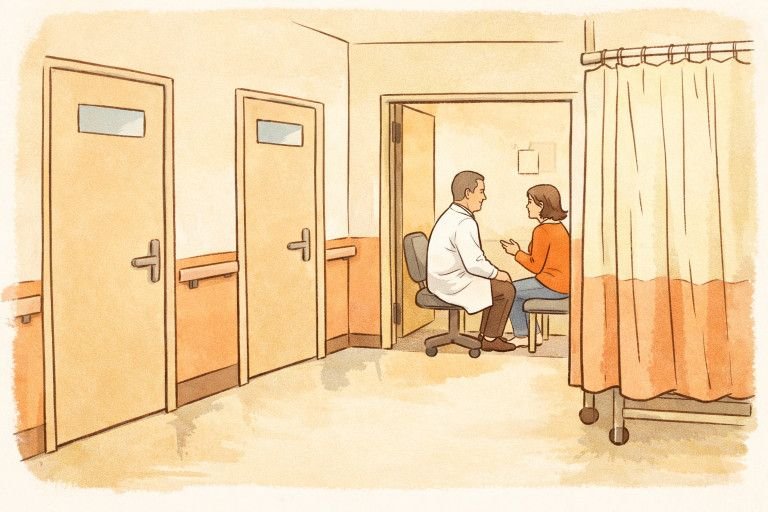
Emphasizing privacy in facility design and daily operations reassures patients that their personal details remain protected. Integrating strategies like soundproof consultation rooms and hospital room curtains can enhance both psychological comfort and confidentiality during medical exams and treatments.
In today’s healthcare landscape, digital records and advanced technologies have transformed how patient information is handled. While this increases convenience for both staff and patients, it also requires strong security protocols to minimize the risks of unauthorized access or breaches.
Regulatory compliance is crucial not only to avoid legal implications but also to maintain a facility’s reputation and patient confidence. Staff must be vigilant and well-versed in current best practices to address both intentional breaches and accidental disclosures that could erode trust and result in harm.
Physical Privacy Measures in Healthcare Facilities
Protecting physical privacy involves carefully designed architectural features and practical equipment choices. Private consultation areas shield conversations from unintended listeners, ensuring that only authorized healthcare personnel can participate in patient discussions.
- Private Consultation Areas: Ensuring that examination and consultation rooms prevent eavesdropping and respect patient dignity.
- Use of Privacy Curtains and Screens: Installing physical barriers, such as curtains, provides an immediate sense of safety and modesty, especially during vulnerable procedures.
- Controlled Access: Restricting sensitive zones to authorized staff members prevents accidental disclosures and strengthens overall facility privacy protocols.
Digital Privacy and Data Security
With the widespread adoption of Electronic Health Records (EHRs), protecting digital patient data has never been more critical. Research conducted by the Office of the National Coordinator for Health Information Technology found that over half of surveyed individuals are either “very concerned” or “somewhat concerned” about the privacy of their electronic health information.
- Implementing strong encryption for data storage and transmission significantly reduces risk.
- Regular updates and monitoring of security protocols ensure readiness against emerging cyber threats that target medical records.
- Clear, transparent communication with patients about how their information is stored, who can access it, and how it is protected fosters confidence and compliance.
Staff Training and Awareness
Well-trained staff serve as the frontline defenders of patient privacy. Comprehensive training programs should teach employees to understand privacy laws, recognize potential breaches, and respond quickly to any threats or lapses. Ongoing education is vital as privacy regulations and technologies evolve.
- Compliance training on relevant laws, such as ensures that staff remain aware of their responsibilities and liabilities.
- Frequent exercises on handling privacy incidents, including simulations and scenario-based drills, increase readiness for real-world situations.
- Empowering team members to communicate openly about privacy policies reassures patients and makes the facility’s commitment to confidentiality clear.
Designing Facilities with Privacy in Mind
Thoughtful design choices are essential in upholding privacy while also considering comfort and accessibility. Features like soundproof rooms reduce unintended disclosures of private conversations, which is especially important in shared or high-traffic areas.
- Soundproofing: Installing effective insulation between rooms helps preserve confidentiality.
- Strategic Layouts: Positioning patient rooms, waiting areas, and staff workstations reduces the risk of unintended encounters and ensures privacy for each patient.
- Personalized Controls: Adjustable lighting and temperature controls empower patients and help ease anxiety, improving the overall care experience.
Balancing Privacy with Accessibility
Accessibility and privacy must coexist to serve all patient populations, including those who require assistance. Designs that incorporate private yet accessible entrances, restrooms, and examination areas ensure that every individual’s dignity is maintained.
- Wider hallways and larger examination rooms accommodate mobility aids and facilitate discreet support.
- Private spaces for caregivers allow for necessary assistance without drawing attention or compromising patient modesty.
- Technologies such as easily adjustable beds and secure call systems empower patients while protecting their privacy and autonomy.
Leveraging Technology to Enhance Privacy
Technology offers innovative solutions for privacy management in healthcare settings. Utilizing secure digital registration and check-in platforms reduces the need to disclose sensitive details in public spaces. Additionally, implementing advanced surveillance systems can monitor for unauthorized entries without disrupting the calm and comfortable environment patients expect.
Artificial intelligence-driven monitoring tools can proactively alert staff to potential privacy violations. Smart room controls also enable patients to personalize their space, minimize discomfort, and discreetly communicate their needs.
Conclusion
Successfully balancing privacy, comfort, and safety in healthcare settings demands a comprehensive approach. This includes intelligent facility design, robust digital safeguards, ongoing staff training and awareness programs, and thoughtful integration of technological advances. With these combined measures, healthcare providers can protect patient dignity and safety, fostering trust, compliance, and better care outcomes for all.