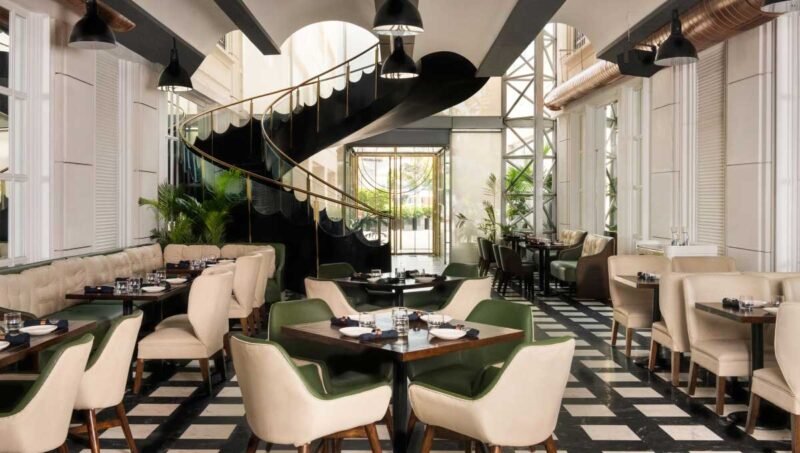
Creating a successful build project is about more than just getting the job done or making something look visually appealing. The real skill lies in balancing functionality and aesthetics so that the finished result performs well while also enhancing its surroundings. Whether working on a home improvement project or a larger construction job, this balance is what separates average work from something truly impressive.
Why Functionality Is the Foundation
Functionality should always come first in any build project. A structure must meet its intended purpose, whether that’s providing stability, durability, or ease of use. Without this foundation, even the most attractive design will fall short over time.
Practical considerations include load-bearing capacity, weather resistance, safety, and usability. For example, when building outdoor features such as decking, fencing, or pergolas, materials and fixings must be chosen to handle exposure to the elements. If these elements are overlooked, the structure may degrade quickly or become unsafe.
By focusing on functionality first, builders ensure that the project stands the test of time. This also creates a solid base upon which aesthetic elements can be layered without compromising performance.
The Role of Aesthetics in Modern Builds
While functionality is essential, aesthetics give a project its personality and visual impact. The way something looks can completely transform how it is perceived and experienced. Clean lines, cohesive color schemes, and thoughtful material choices all contribute to a more polished and professional finish.
Aesthetic appeal is especially important in spaces where people spend time, such as gardens, patios, or interiors. A visually pleasing design can create a sense of comfort and pride, making the space more enjoyable to use.
In modern building work, there is a growing expectation that projects should not only work well but also look refined. This means paying attention to details that may have once been overlooked, such as the visibility of fixings or how different materials complement each other.
Bringing Form and Function Together Through Materials
Material selection plays a major role in achieving balance. The right materials should offer both durability and visual appeal, ensuring that the structure performs well while also fitting the desired style.
Timber, metal, and composite materials each bring different qualities to a build. Timber offers warmth and a natural look, while metal provides strength and a contemporary feel. Combining these materials effectively can create a design that feels both sturdy and visually engaging.
Even smaller components contribute to this balance. Fixings, for instance, are often seen as purely functional, but they can also enhance the overall appearance. Choosing hardware with a black finish can help create a sleek, uniform look while still delivering the strength required for outdoor use.
Designing for Everyday Use
A build project should always consider how the finished structure will be used on a daily basis. A design might look great on paper, but if it is difficult to use or maintain, it will quickly lose its appeal.
Practical design choices such as easy access, proper spacing, and low-maintenance materials can make a significant difference. For example, ensuring that walkways are clear and surfaces are easy to clean adds long-term value to the project.
At the same time, these functional elements can be incorporated in ways that enhance the overall design. Storage solutions can be built into structures seamlessly, and structural features can double as decorative elements.
Achieving a Lasting Balance
Balancing functionality and aesthetics is about thoughtful planning and attention to detail. Every decision, from the overall design to the smallest finishing touches, should support both how the structure works and how it looks.
When done correctly, this balance results in build work that is not only reliable and durable but also visually appealing. It creates spaces that people enjoy using and that continue to perform well over time. By treating function and aesthetics as equally important, builders can deliver projects that truly stand out.