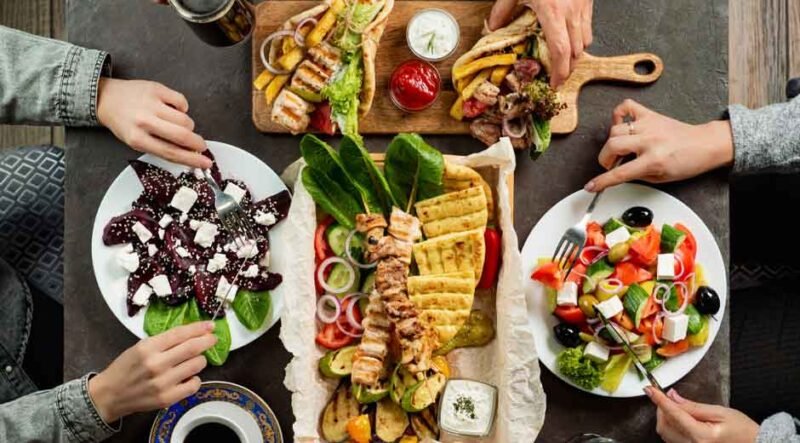
Traveling is an excellent way for seniors to enjoy life, and exploring food can make trips especially memorable. With planning and mindfulness, older adults can safely enjoy local flavors and cuisine. However, exploring new environments may pose risks, such as concerns about food, water, or safety. Understanding these risks is essential. For those interested in elder care, this article offers valuable insights into safeguarding the well-being of older adults. Food and culture are closely intertwined, and sharing a meal or attending a cooking class is a rewarding experience. Careful preparation ensures health and comfort are maintained. This guide offers tips for a safe and enjoyable culinary travel experience for seniors, including information on food festivals and tours.
Consulting Healthcare Providers
Before embarking on a culinary journey, seniors need to consult with their healthcare providers to ensure a safe and enjoyable experience. As Claudette Spinelli Schwartz advises, discussing dietary needs, medication management, and potential health complications allows for better preparation and peace of mind. Bringing a copy of prescriptions, an allergy card translated into the local language, and a compact first aid kit can prevent medical emergencies and support well-being while abroad. With thoughtful planning, seniors can fully immerse themselves in the joy of discovering new cuisines and cultures without unnecessary health concerns.
Researching Local Cuisines
Thorough research about destination cuisines provides a practical foundation for safe exploration. Identify staple ingredients and typical preparation methods, noting any potential allergens, spices, or raw foods that may cause discomfort or adverse reactions in your system. Creating a personal “safe list” of dishes aligns mealtimes with your health needs, letting you engage with local culture without worry.
Adapting to Culinary Cultures
Adapting with an open mind is an integral part of discovering new culinary traditions. Start by sampling mild or familiar dishes, then gradually branch out to more adventurous foods as you acclimate. Learning about customs—such as meal times, eating utensils, and table etiquette—deepens your immersion and promotes mutual respect with hosts and locals.
Seasoned travelers often highlight the value of sharing a table or a recipe with locals to build connections and understanding. This gentle approach helps minimize digestive distress, which is more common among older adults adapting to unfamiliar food.
Ensuring Hydration and Food Safety
Dehydration and foodborne illnesses pose significant risks, particularly in unfamiliar climates or settings. Use only bottled or purified water for drinking and brushing your teeth. Avoid ice cubes, raw produce washed in tap water, and shellfish from questionable sources. Choose restaurants with strong reputations for hygiene and steer clear of unrefrigerated street food. For added peace of mind, consult reports from organizations on international food safety for travelers.
Considering Accessibility and Comfort
Comfort is key to stress-free dining. Look for accessible establishments with seating and restrooms suited for your needs, and avoid venues with steep stairs, dim lighting, or noisy environments if these present challenges. Planning ensures each meal is about good company and great food, rather than discomfort or fatigue.
Exploring Food Festivals
Food festivals blend cultural immersion with entertainment. Well-organized events feature not just food but parades, live music, and cooking demonstrations—offering a multi-sensory travel experience. These festivals are ideal ways to sample regional specialties in a safe and supervised environment, often offering a variety of options to suit different dietary preferences.
Joining Culinary Tours
Culinary tours offer structure and safety, alleviating concerns about language barriers, navigation, and food choices. Guided tours from reputable organizations offer curated access to authentic kitchens and markets, blending cultural stories with personally tailored culinary experiences. These experiences open doors to regional specialties and local hosts, making every bite a memory to cherish.
With thoughtful planning, seniors can confidently embark on gastronomic adventures that delight the senses and nourish the soul. Even on the road, every meal can be a celebration of health, flavor, and cultural discovery.
Savoring the Journey
Culinary travel provides seniors with a meaningful way to connect with cultures through flavors, traditions, and shared experiences. By preparing thoughtfully—consulting healthcare providers, researching local cuisines, and prioritizing safety and comfort—travelers can explore with confidence and curiosity. Each meal becomes more than nourishment; it becomes a gateway to understanding people and places in a profoundly personal way. With awareness and preparation, seniors can savor every destination safely, transforming dining experiences into lasting memories filled with joy, discovery, and cultural appreciation.