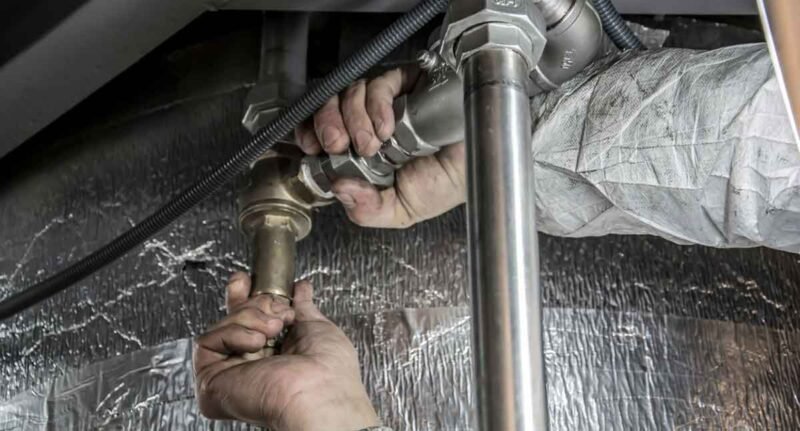
A burst pipe can bring business operations to a sudden halt. Within a short amount of time, water can spread throughout a facility, damaging equipment, inventory, furniture, flooring, and important documents. Beyond the physical damage, companies often face lost productivity, disrupted customer service, and unexpected repair expenses. The good news is that a fast and organized response can significantly reduce downtime and help a business recover more efficiently. Knowing what steps to take immediately after a pipe burst can protect your investment and support a smoother restoration process. The key is acting quickly while focusing on both short-term recovery and long-term prevention. With the right approach, businesses can return to normal operations sooner than expected.
Shut Off The Water Immediately
The first priority after discovering a burst pipe is stopping the flow of water. Locate the main water shut-off valve and turn it off as quickly as possible to prevent additional flooding. Every minute that water continues flowing can increase the amount of damage throughout the property. Once the water supply has been stopped, assess the affected areas and determine whether any immediate safety concerns exist. Acting quickly can significantly reduce restoration costs and limit business disruption. Fast intervention often makes a major difference in the overall recovery process. Preventing further damage should always be the first step.
Protect Employees And Customers
Safety should remain the top priority during any water-related emergency. Standing water can create slip hazards and may come into contact with electrical systems or sensitive equipment. Restrict access to affected areas and communicate clearly with employees about any safety concerns. If necessary, temporarily close portions of the facility until conditions can be evaluated and addressed. Protecting people from injury is far more important than maintaining normal operations. Creating a safe environment helps support a more organized recovery effort. Safety planning should guide every decision during the early stages of restoration.
Document The Damage Thoroughly
Before cleanup begins, take photographs and videos of all affected areas. Capture images of damaged equipment, inventory, furnishings, flooring, and structural elements. Thorough documentation can be extremely helpful when working with insurance providers and restoration professionals. Maintaining detailed records helps establish the extent of the damage and supports more accurate claims. Written notes regarding affected assets can also be beneficial. Proper documentation creates a clear record of the incident. Taking the time to document everything carefully can save time later.
Remove Standing Water Quickly
The longer water remains inside the building, the greater the potential for damage. Standing water should be removed as quickly as possible to limit deterioration and reduce the likelihood of mold growth. Depending on the severity of the situation, pumps, extraction equipment, and specialized drying systems may be required. Prompt water removal helps preserve building materials and business assets. Quick action can also shorten the recovery timeline. Water extraction is one of the most important parts of the restoration process. Eliminating excess moisture early helps prevent additional complications.
Prioritize Critical Business Functions
While addressing property damage, it is also important to evaluate which business activities need to resume first. Determine which services, equipment, or departments are essential to maintaining operations. Some businesses may benefit from temporary workspaces or modified procedures while restoration is underway. Focusing on critical functions allows the company to continue serving customers and generating revenue. Prioritization helps reduce operational disruptions and supports faster recovery. Strategic decision-making is essential during challenging situations. Maintaining continuity wherever possible can strengthen the recovery effort.
Work With Experienced Restoration Professionals
Commercial water damage often requires expertise and specialized equipment. Many businesses turn to commercial water damage restoration solutions in South Florida and similar professional services to assess damage, remove moisture, and restore affected areas efficiently. Restoration professionals can identify hidden moisture, prevent mold growth, and develop a recovery plan tailored to the property’s needs. Their experience often helps reduce downtime and avoid costly mistakes. Professional guidance can be especially valuable when significant portions of a facility are affected. Expert support helps ensure a more thorough restoration process.
Communicate With Employees And Customers
Clear communication is critical throughout the recovery process. Employees should receive regular updates regarding safety procedures, work schedules, and operational changes. Customers should also be informed about temporary disruptions and expected timelines for returning to normal operations. Transparency helps maintain trust and reduces confusion. Social media, email updates, and company websites can all be effective communication tools. Keeping stakeholders informed demonstrates professionalism and responsiveness. Strong communication supports a smoother recovery experience.
Inspect For Hidden Damage
Water often spreads into areas that are not immediately visible. Walls, ceilings, insulation, flooring systems, and electrical components should be inspected carefully for hidden moisture and damage. Ignoring concealed issues can lead to mold growth, unpleasant odors, and ongoing structural deterioration. Thorough inspections help ensure that all affected areas are addressed properly. Identifying hidden problems early often reduces future restoration costs. Comprehensive evaluations protect both the property and the business. Attention to detail is critical for long-term success.
Develop A Prevention Plan
Once restoration is complete, businesses should take steps to reduce the risk of future pipe-related incidents. Regular plumbing inspections, preventative maintenance, insulation for exposed pipes, and monitoring systems can help identify problems before they become emergencies. Reviewing emergency response procedures and training staff on shut-off locations can also improve preparedness. Proactive planning helps minimize future disruptions and protect valuable assets.
Ongoing inspection routines and routine system care significantly lower the likelihood of sudden mechanical failures. Partnering with experienced mechanical contractors like Atomatic Mechanical helps property managers maintain facility infrastructure and spot potential pipe or heating issues before major leaks happen. Regular assessments ensure all building systems function reliably and efficiently year-round.
Prevention is often far less expensive than recovery. A strong maintenance strategy supports long-term operational stability.
Conclusion
A burst pipe can be a major setback, but a fast and organized response can help businesses recover more effectively. By stopping the water source, prioritizing safety, documenting damage, removing moisture, and working with experienced restoration professionals, companies can reduce downtime and limit financial losses. Maintaining clear communication and focusing on critical operations further supports a successful recovery. With the right plan and proactive measures, businesses can get back up and running while strengthening their preparedness for future emergencies.