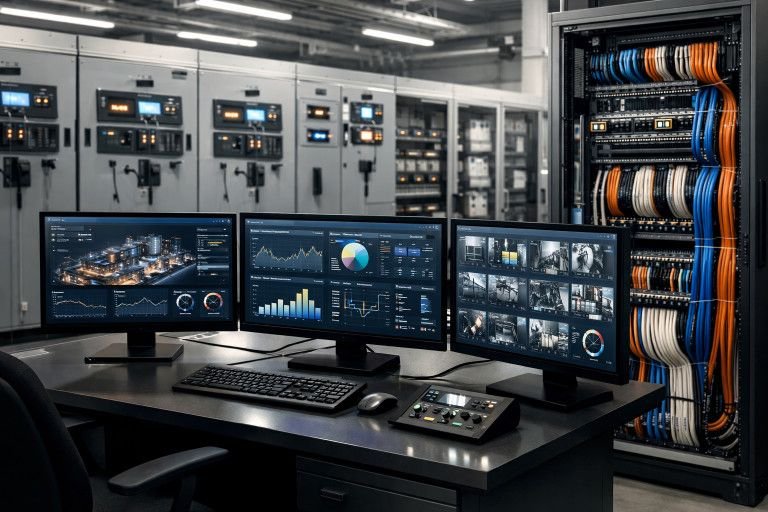
In today’s rapidly evolving industrial and commercial sectors, the demand for advanced electrical solutions is higher than ever. Organizations are prioritizing new technologies to boost efficiency, strengthen workplace safety, and meet increasingly ambitious sustainability targets. To keep pace, professionals are turning to innovative partners and specialists, including transformer manufacturers in Canada, who play a pivotal role in supporting modern infrastructure demands across diverse industries.
The intersection of digital transformation and energy innovation is profoundly shaping how facilities are powered, maintained, and managed. Companies across North America and worldwide are adopting intelligent systems and smarter distribution networks, moving away from outdated legacy equipment. As the landscape rapidly evolves, staying ahead of key trends and developments is critical for organizations seeking to remain competitive and compliant while minimizing their carbon footprint.
AI-Driven Energy Management
Artificial Intelligence is leading next-gen energy management in the industrial and commercial sectors. AI systems analyze energy data, forecast resource spikes, and suggest steps to cut costs and environmental impact. Schneider Electric exemplifies this by using machine learning to improve utility efficiency and accuracy. AI also enables predictive maintenance by detecting issues early, reducing failures and downtime. Over time, these models become more intelligent, optimizing performance as they receive more data. AI integration not only enhances energy management but also offers actionable insights for strategic planning and long-term growth.
Modular Power Distribution Systems
Modern industrial and commercial spaces increasingly rely on modular power systems, such as Legrand’s Starline Series-S Track Busway, which offer adaptable access and plug-in points for efficient power delivery and minimal disruption. These systems support growth and maximize uptime in mission-critical operations. Their ease of installation and expandability make them valuable in fast-paced industries, allowing quick adaptation to technological advances, workflow changes, or increased capacity. Modular power distribution is often more cost-effective in the long term, reducing the need for major infrastructure overhauls during upgrades or expansions. These solutions enable businesses to meet current needs while planning for future growth, ensuring smooth, uninterrupted operations amidst change.
Smart Building Management Platforms
The integration of smart management platforms has become a foundation of efficient, future-ready facilities. Unified systems enable seamless oversight of lighting, HVAC, access control, and other essential services through a single centralized platform. Innovations like Legrand’s Wattstopper i3, powered by KODE Labs, allow for real-time monitoring and data-driven adjustments. This not only reduces waste and energy use but also ensures greater comfort for building occupants while supporting remote management.
Smart platforms enable facilities to automate routine tasks and respond rapidly to unanticipated environmental changes or security threats. With the proliferation of IoT devices and sensor networks, building managers gain unprecedented visibility into every aspect of their operations. This data-rich environment empowers proactive maintenance and fosters a culture of continuous improvement, enhancing overall workplace productivity and well-being. Additionally, a centralized dashboard provides quick reporting and compliance tracking, further streamlining management and making regulatory adherence more efficient and less burdensome.
Modernization of Aging Infrastructure
Legacy electrical infrastructure poses safety and efficiency risks, prompting businesses to invest in digital retrofitting and modernization. Schneider Electric aims to upgrade North American facilities with advanced controls, extending asset lifespan and meeting sustainability and regulatory standards. Modernization enhances resilience against outages and environmental disruptions by leveraging remote monitoring, predictive analytics, and digital twins to optimize performance in real time. This technology adoption ensures a smooth transition to a digital future while maintaining reliable service and supporting compliance with emerging regulations, thereby mitigating financial risks from failures or inefficiencies.
Enhancing Safety with Advanced Controls
Safety is a primary concern in every industrial and commercial environment. Advanced electrical controls are now essential for both incident prevention and compliance. Solutions such as Honeywell’s Connected Power allow for granular oversight, monitoring usage down to the level of individual plugs to quickly pinpoint problems and prevent accidents. These systems give facility managers the insights needed to keep workspaces secure and comply with regulations, which is increasingly crucial amid stricter industry requirements.
Enhanced safety systems go beyond basic alarms; they leverage sophisticated analytics and automation to respond instantly to irregularities or hazardous conditions. In addition, connected controls can initiate automatic shutdown protocols during emergencies, notify staff, and trigger maintenance dispatch, all without human intervention. This proactive approach safeguards personnel and assets while also supporting insurance and liability requirements. As technology advances, integration with other facility management and monitoring systems further bolsters an organization’s ability to minimize risk and maintain impeccable safety standards.
Sustainable Electrical Solutions
Sustainability drives today’s electrical innovations as companies seek greener infrastructure to meet environmental goals and consumer demands. Manufacturers like Siemens invest in low-voltage, high-efficiency products that reduce energy use and emissions, helping organizations lower their ecological impact and costs. Some solutions incorporate renewable sources like solar and wind, paired with energy storage and smart inverters for demand balancing and reliability. Many areas offer tax credits or rebates to promote eco-friendly technologies, encouraging companies to make environmentally and financially responsible choices. These efforts reflect a broader commitment to ethical business and long-term value, both financial and social.
Conclusion
The transformation underway in the industrial and commercial electrical landscape is defined by technology, safety, flexibility, and sustainability. With the emergence of AI-driven management solutions, modular power distribution, and integrated smart platforms, organizations are equipped to meet new challenges and opportunities head-on. Strategic modernization, advanced safety controls, and a steadfast commitment to environmental care will keep businesses strong, efficient, and resilient in an ever-evolving global market.
Looking ahead, the pursuit of continuous innovation will further blur the lines between digital and physical infrastructure, paving the way for cyber-physical systems that automate and optimize operations at scale. Collaboration between businesses, regulatory bodies, and electrical solution providers will be essential for advancing sector-wide sustainability and resilience. Companies that remain agile and forward-thinking with their electrical infrastructure will not only ensure operational excellence but also drive significant progress toward a smarter, greener future.