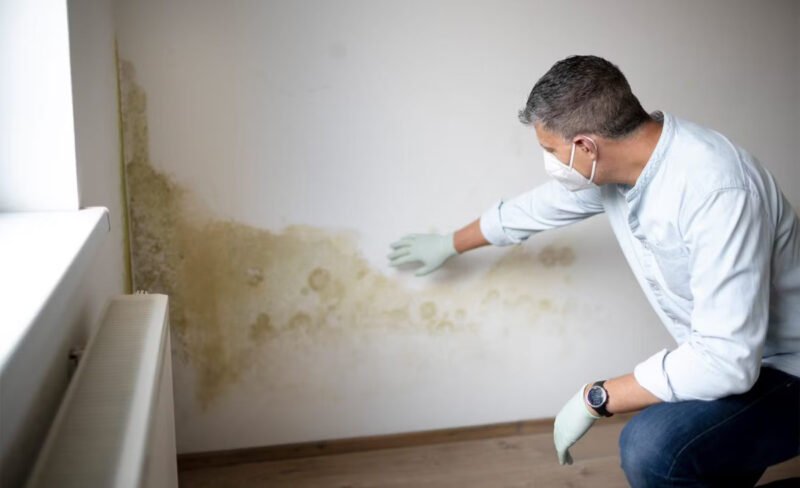
Mold reads as a maintenance nuisance until you start losing sleep, cognitive function, or work — and then it’s a medical and legal problem at the same time. In Arizona, where monsoon storms, aging evaporative coolers, and HVAC drain-pan failures combine to seed indoor moisture in places no one is looking, toxic mold exposure is more common than the dry-climate reputation suggests. If you’ve developed unexplained respiratory, neurological, or autoimmune symptoms while living in a property with a moisture problem, talking to an Arizona mold injury lawyer early can preserve evidence and ensure the medical workup is set up correctly from day one. Arizona toxic mold lawyer
Toxic mold injuries do real harm in three places at once: your body, your home, and your finances. Arizona’s climate creates specific risks the Midwest and Southeast don’t see — and missing the warning signs early often turns a fixable problem into a habitability case, a claim against a landlord or seller, or a personal injury action against the negligent party. The right next steps protect your health, your housing, and your right to recover.
Arizona’s Unique Mold Issues
Arizona’s reputation as a dry climate hides where the moisture actually lives indoors. Monsoon season (mid-June through September) drives roof leaks, attic intrusions, stucco and parapet failures, and slab moisture that don’t show up until the wall starts blooming. Evaporative (‘swamp’) coolers — still common in older Phoenix and Tucson housing — pump high humidity into homes that weren’t designed to handle it, especially when ducting deteriorates. Refrigerated AC systems fail differently: drain-pan leaks, condensate-line backups, and undersized returns create cool, wet cavities behind drywall that can grow Stachybotrys, Aspergillus, and Penicillium colonies for months before anyone notices.
Condominiums, slab-on-grade rentals, older single-family homes with original ductwork, and any property that’s undergone a roof repair, a plumbing slab leak, or a post-storm water event are the highest risk. Tenants and homeowners should walk plumbing penetrations, HVAC closets, water-heater pans, and exterior wall bases at least quarterly — and treat any musty smell, persistent allergy symptoms in a single room, or visible discoloration on drywall, baseboards, or ceiling tiles as a moisture problem until proven otherwise. The dry exterior makes interior moisture easy to miss, which is exactly why it spreads.
Understanding Medical Causation in Toxic Mold Injury
A toxic mold injury claim lives or dies on medical causation: a defensible link between documented mold exposure in your environment and the symptoms you’ve developed. Mold species like Stachybotrys chartarum, Aspergillus, and certain Penicillium strains release mycotoxins and spores that can trigger respiratory disease (chronic sinusitis, reactive airway disease, asthma exacerbation), allergic and immune reactions (skin rashes, hives, IgE-mediated sensitivities), and in heavier or longer exposures, neurological and cognitive symptoms — brain fog, persistent fatigue, headaches, sleep disturbance, dysautonomia — sometimes diagnosed under the CIRS (chronic inflammatory response syndrome) framework. Toxic mold injury claim
If you suspect mold-related illness, the medical workup is just as important as the diagnosis. Standard allergy panels, IgE/IgG testing for mold antigens, pulmonary function tests, and inflammatory marker bloodwork establish a baseline. Mycotoxin urinalysis and visual contrast sensitivity (VCS) testing are used in CIRS-aware practices. Document everything chronologically and, wherever possible, tie symptoms to exposure timelines. The CDC has acknowledged that long-term indoor mold exposure poses heightened risks for children, the elderly, immunocompromised individuals, and people with existing respiratory conditions. [1] Get evaluated by a physician who treats environmental illness rather than relying solely on a primary care visit — the documentation gap between the two often determines whether a claim is viable.
Property Notice Laws and Your Rights
. Arizona’s Residential Landlord and Tenant Act (A.R.S. § 33-1324) imposes a duty on landlords to maintain rental premises in a fit and habitable condition, and moisture intrusions that affect health and safety fall squarely under that duty. [2] Sellers face separate disclosure obligations on known material defects under Arizona’s Seller Property Disclosure framework. The minute you discover mold or a recurring water issue, send a written notice — email is fine, certified mail is better — describing the condition, location, and any health symptoms. Photograph everything (with timestamps), keep moisture readings if you have them, and save every text and email. Your written record is the case.
If a landlord doesn’t respond within a reasonable time after notice, A.R.S. § 33-1324 and adjacent provisions give tenants real remedies — including, in some scenarios, the right to terminate the lease, recover damages, or pursue rent abatement. For property buyers, undisclosed mold typically supports claims for fraud, negligent misrepresentation, breach of disclosure duty, or breach of contract, depending on the facts. The Arizona Attorney General’s Office maintains tenant-rights guidance, but Arizona-specific case law and statute interplay make these claims fact-intensive — the documentation you build in the first 30 days frequently determines whether the case is winnable.
Steps to Take if You Are Affected
- Seek medical attention. See a physician familiar with environmental illness; share full exposure history, symptom timeline, and any prior workups.
- Document the mold. Photograph all visible growth, water staining, and structural damage. Capture moisture-meter readings if you have access. Do not disturb suspected growth or attempt remediation yourself.
- Provide written notice. Send the landlord, property manager, or seller a dated written notice — email or certified letter — describing the condition and requesting inspection and remediation under A.R.S. § 33-1324.
- Request a professional inspection. Hire an independent IICRC-certified or AmIAQC-credentialed mold inspector. Ask for a written report including air sampling, surface sampling, and moisture mapping.
- Keep detailed records. Medical reports, inspection reports, all correspondence, repair estimates, lodging costs if you’ve had to relocate, and any property damage. Originals in one folder.
Why Consulting an Arizona Mold Lawyer Matters
Mold injury cases sit at the intersection of three specialty areas — environmental medicine, building science, and Arizona habitability law — and they’re aggressively defended by insurers and property owners. An experienced Arizona mold lawyer coordinates the medical workup with physicians who can testify to causation, retains industrial hygienists and certified mold inspectors who can document exposure forensically, and structures the legal claim to capture the full range of damages: medical costs, property damage, displacement and remediation expense, lost wages, and pain and suffering.
Early consultation is the difference between a strong case and a weak one. Evidence disappears fast — landlords remediate (or paint over the problem), tenants throw out contaminated belongings, and medical timelines blur if symptoms aren’t tied to contemporaneous exposure dates. MoldLawKing — the Arizona mold injury practice within Conduit Law — partners with Mold Case Consulting and qualified medical specialists to evaluate cases at no cost and structure causation correctly from intake forward. If you suspect a mold-related injury, the time to call is before the next round of remediation work changes what’s left of the evidence.
Conclusion
Toxic mold injuries are not a niche concern in Arizona — climate, aging housing stock, and HVAC realities make this a state where moisture intrusions quietly compromise health every monsoon season. Knowing your rights under A.R.S. § 33-1324, recognizing the medical signs early, and documenting the property condition before remediation are the three steps that separate winnable cases from lost ones. If you or a family member is experiencing symptoms tied to a moldy property, move now: see a qualified physician, send written notice to the landlord or seller, hire an independent inspector, and call an attorney. Health, housing, and the right to recover are all easier to protect early than to rebuild later.
References
[1] Centers for Disease Control and Prevention (CDC): Mold Health Effects & Guidance. https://www.cdc.gov/mold-health/about/index.html
[2] Arizona Revised Statutes § 33-1324 (Arizona Residential Landlord and Tenant Act), requiring landlords to maintain rental premises in a fit and habitable condition affecting health and safety; mold-related moisture conditions generally fall under this duty. https://legalclarity.org/arizona-mold-laws-for-property-owners-and-tenants/?utm_source=chatgpt.com