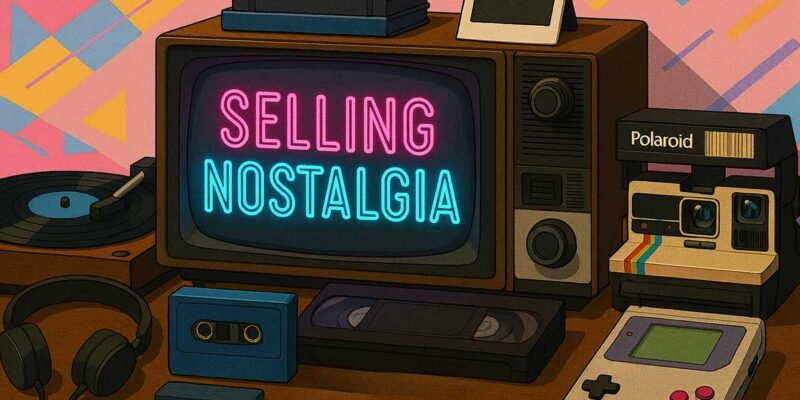
For years, nostalgia was often seen as a personal emotion tied to old photographs, childhood music, or family keepsakes. Today, it has become something much bigger. Across the internet, businesses are discovering that memories have enormous commercial value, and digital nostalgia is quickly becoming one of the most powerful forces shaping online behavior.
From streaming platforms reviving classic shows to apps resurfacing old photos and archives helping people reconnect with their past, digital memory has become a rapidly growing industry. Platforms that help users revisit earlier moments in life are attracting growing interest as people search for more meaningful connections online.
Nostalgia Has Become a Major Driver of Online Engagement
One reason digital memory has become such a valuable business territory is that nostalgic content performs exceptionally well online. Social media users consistently engage with:
- Throwback photographs
- Retro trends
- Childhood references
- Archived media clips
- Vintage fashion
- School memories
This type of content often generates stronger emotional reactions than newer material because it connects directly to personal experiences. People are more likely to comment on, share, and discuss content that reminds them of earlier periods in their lives.
As a result, companies increasingly design digital experiences around nostalgia because it encourages long-term engagement and repeat visits.
Digital Archives Are Expanding Rapidly
The growth of digital archiving has transformed how memories are stored and accessed. Massive collections of yearbooks, newspapers, family records, and photographs are now being digitized and uploaded online, and can be found via a school picture finder.
This has created entirely new markets focused on:
- Historical preservation
- Family research
- Photo restoration
- Memory sharing
- Online reunions
- Personal archive subscriptions
What was once limited to physical libraries or storage boxes can now be searched globally within seconds.
For businesses, these archives hold long-term value because emotional content tends to keep users returning over time.
People Are Looking for More Meaningful Online Experiences
Modern digital life can often feel fast, disposable, and heavily driven by trends. Nostalgia offers something different. It allows people to reconnect with meaningful experiences rather than constantly consuming new information.
Many users now actively search for:
- Childhood memories
- Old friendships
- School photographs
- Family history
- Past communities
- Cultural throwbacks
This emotional connection creates stronger loyalty than many traditional forms of online entertainment or advertising.
Platforms built around memory and nostalgia often benefit from repeat engagement because users continue exploring different stages of their personal history.
Artificial Intelligence Is Changing Memory Discovery
Artificial intelligence is also accelerating the growth of the digital memory industry. AI-powered systems can now:
- Restore damaged photographs
- Organize image collections
- Identify faces
- Detect dates and locations
- Improve image quality
- Categorize archives automatically
These tools make large-scale memory preservation far more practical and accessible.
Instead of manually sorting through thousands of photographs, users can quickly search by person, event, or time period. This convenience has made nostalgia-driven platforms much easier for everyday users to engage with.
Brands Are Capitalizing on Nostalgia Marketing
Businesses across multiple industries are actively using nostalgia as a marketing strategy. Streaming services revive old television series, fashion brands reintroduce retro designs, and gaming companies remake classic titles because audiences consistently respond positively to familiar experiences.
Nostalgia works particularly well because it creates:
- Emotional attachment
- Brand familiarity
- Multi-generational appeal
- Increased social sharing
- Stronger customer loyalty
For many companies, nostalgic content feels safer and more reliable because audiences already have positive emotional associations connected to it.
This is one reason retro-inspired marketing campaigns continue appearing across entertainment, technology, fashion, and social media.
Why Digital Memory Will Continue Growing
The digital memory industry is unlikely to slow down anytime soon. As more archives become digitized and technology improves, people will continue gaining easier access to moments that once felt permanently lost.
At the same time, nostalgia remains one of the strongest emotional forces online. In an internet environment dominated by rapid trends and constant updates, revisiting meaningful memories provides comfort, familiarity, and connection.
Whether it is through archived school records, restored family photographs, vintage media, or online reunion platforms, nostalgia has become far more than a passing trend. It is now a major part of how people interact with the digital world, and businesses are increasingly recognizing just how valuable those memories can be.