Most people don’t realize how quickly others form opinions about a home. It usually happens within minutes of walking in. The problem is, many homeowners feel their space doesn’t match who they are. You clean, organize, maybe even decorate, but something still feels off. That disconnect often comes from small details—things you stop noticing over time. Your home reflects your routines, your priorities, and even how you handle problems. The good news is you don’t need a full makeover to fix that. Small, consistent changes can shift how your home feels and how others experience it. This article breaks down what different areas say about you and how to improve them in ways that actually last.
What Your Kitchen Quietly Reveals
The kitchen gives a clear view of how you manage daily life. A cluttered counter, unwashed dishes, or open food packaging can make the space feel chaotic. On the other hand, a clean and organized kitchen suggests structure and attention to detail. You don’t need expensive storage solutions to fix this. Start by clearing your counters and only keeping items you use every day. Store food in sealed containers and clean up spills quickly so nothing sits out overnight. These small habits reduce the chances of attracting pests in the first place. If ants keep showing up despite your efforts, that usually means the source is outside your control, and that’s when hiring effective ant control services becomes a practical step. A kitchen that stays in order makes the entire home feel more settled.
How You Store Things Matters More Than You Think
Storage affects how your home feels every day. When closets are packed, drawers don’t close properly, or items sit out because there’s no space, it creates a sense of clutter even if things look clean. This usually means there isn’t a clear system in place. Start by removing items you no longer use. Most homes hold more than they need, which makes storage harder than it should be. Once you clear space, group similar items together and give them a fixed spot. Use simple containers or dividers to keep things easy to access. Avoid overfilling shelves or bins. When storage works well, you spend less time searching for things and more time keeping your home organized without effort.
The Living Room That Shapes How You Connect
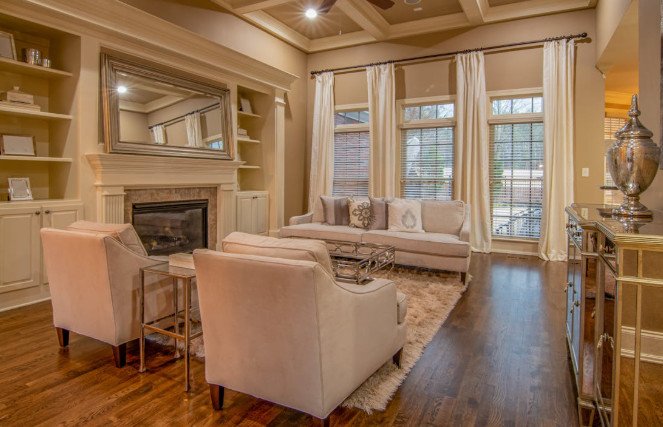
Your living room shows how you use your space and how comfortable others feel in it. If furniture blocks movement or seating feels limited, people tend to stay less engaged. A good layout allows easy movement and clear sightlines. Arrange seating so people can face each other without effort. Avoid pushing everything against the walls unless the room is very small. Keep surfaces like coffee tables clear enough to use but not empty to the point of feeling unused. Lighting also matters here. A mix of overhead and softer lighting makes the space usable at different times of the day. When your living room feels balanced and easy to use, it naturally supports conversation and relaxation.
Bathrooms That Reflect Personal Standards
Bathrooms leave a strong impression because people expect them to be clean and functional. Even small issues stand out here. Soap residue, water stains, or an empty toilet paper holder suggest a lack of attention. Regular cleaning prevents buildup that becomes harder to remove later. Focus on high-touch areas like sinks, faucets, and handles. Keep basic supplies stocked and easy to find. Good ventilation also plays a role. Use an exhaust fan or open a window to reduce moisture, which can lead to mold over time. Fresh towels and a clean mirror make the space feel cared for without much effort. When your bathroom stays in good condition, it shows that you pay attention to everyday details.
Outdoor Spaces That Show Long-Term Care
The outside of your home often sets expectations before anyone walks in. Overgrown plants, blocked gutters, or scattered debris give a sense that upkeep isn’t a priority. Regular yard maintenance doesn’t require a lot of time if done consistently. Trim plants so they don’t touch the walls of your home. This reduces moisture buildup and limits entry points for pests. Keep gutters clear so water flows away from the foundation. Standing water near the house can lead to structural issues over time. Store outdoor items properly instead of leaving them exposed. A tidy outdoor space shows that you plan ahead and stay on top of maintenance instead of reacting when problems appear.
The Small Issues You Keep Putting Off
Minor problems often get ignored because they don’t feel urgent. Over time, they add up and affect how your home functions. A slow drain, a squeaky hinge, or a loose tile may seem small, but each one signals a delay in upkeep. These issues can also lead to larger repairs if left alone. Fixing them early usually takes less time and effort. Keep basic tools at home so you can handle simple fixes right away. Set a reminder once a week to check for anything that needs attention. This approach keeps problems from piling up. When your home runs smoothly, it becomes easier to maintain and more comfortable to live in every day.
Personal Touches That Actually Mean Something
A home feels complete when it reflects the people living in it. Generic décor often makes a space feel temporary or unfinished. Personal items bring meaning, but they need to be chosen with care. Display things that connect to your life, such as photos, travel items, or pieces you use often. Avoid filling every surface. Too many items can make a space feel crowded and harder to maintain. Rotate items occasionally to keep the space feeling fresh without buying new things. Pay attention to placement so each piece has room to stand on its own. When your home includes thoughtful details, it feels more settled and clearly represents your personality.
Your home tells a clear story through everyday details. People notice how you manage space, handle upkeep, and maintain routines. You don’t need major upgrades to improve that story. Focus on small changes that you can keep up with over time. A cleaner entryway, a more organized kitchen, and timely repairs all make a visible difference. Choose a few areas from this guide and work on them consistently. When your home stays functional and well cared for, it naturally reflects a sense of control and comfort. That’s what most people notice first.