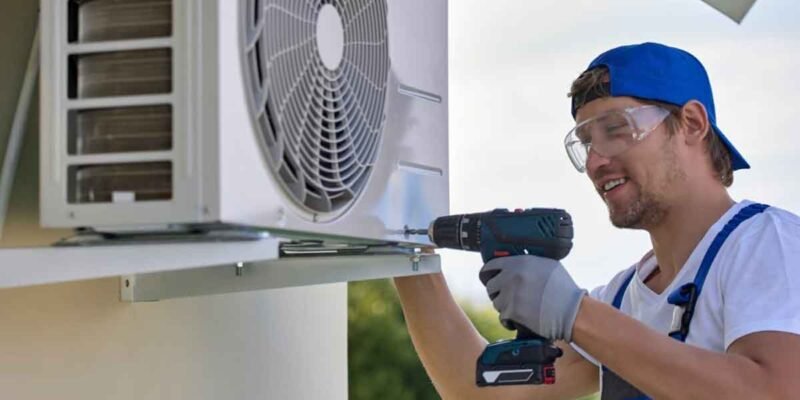
Your AC removes heat and humidity from the air inside your home and circulates cool air back into the room. This helps provide comfort on hot days and improves air quality by removing pollutants and allergens. A reputable HVAC company helps you with the quality installation of your AC. Here is how AC installation works:
Assess Home Requirements
Before your AC can be installed, an HVAC technician assesses your home’s requirements. It starts with evaluating the size and layout of your space, as well as the insulation, to determine the appropriate unit type. This is to help achieve optimal performance of your AC system while reducing the frequency of repairs and breakdowns. A technician will also help you choose the type of unit, its efficiency, and features like noise levels and air quality. If you already have an HVAC system, they’ll evaluate your ductwork and electrical setup to make sure the new AC unit is compatible.
Prepare Installation Site
As a homeowner, cleaning and decluttering the installation site in preparation for the technician’s arrival saves time. Clear obstructions around your outdoor unit, such as plants or debris. When there is enough space for proper airflow, your AC unit can operate efficiently.
Setting up a level base for the unit helps in preventing damage to the equipment. When the unit is secure, it has minimal vibration, which helps to keep it from needing repairs. Your HVAC service provider will verify the unit’s compatibility with the base.
Selecting the right location for your AC unit is key to its overall performance and longevity. Check the following factors before installation:
- The outdoor unit should be placed in an area with good air circulation.
- Avoid placing it in direct sunlight or near heat sources, as this can affect its efficiency.
- The location should be easily accessible for maintenance and repairs.
Install AC Unit
Once your site is accessible for AC installation, the technician mounts the outdoor unit on a concrete slab or metal brackets. Your indoor unit will then be installed inside your home, typically on a wall or ceiling. They strategically place the indoor unit to allow for optimal air circulation and even heating and cooling throughout your space.
Your technician connects the refrigerant lines to make sure there is effective heat transfer between your outdoor and indoor units. Your AC units depend on the air your air handler blows through your system. After connecting refrigerant lines, the technician will install an air handler. The handler distributes warm or cool air throughout your home, or it regulates humidity inside your home.
Optimize System Performance
Your AC requires accurate thermostat calibration to control your home’s temperature easily. To optimize the performance of your AC system, regularly clean or replace air filters. You prevent your system from working harder than necessary when air filters are dirty. A professional can also install and set a smart thermostat, which helps your unit functional properly and not be overworked.
Invest in Professional AC Installation
Hiring a reputable HVAC service provider helps you to have quality AC installation. It saves you time, since technicians are experienced and knowledgeable about handling different types of AC systems. Contact a professional AC installation provider today for repairs and installation services.